The water you see after a pipe bursts is only the beginning. Once it soaks into your floors and drywall, it becomes a hidden threat. In Florida’s humid climate, this trapped moisture is a perfect breeding ground for mold, which can grow in as little as 24 hours. This is why professional water damage restoration is so critical—it’s about much more than just removing visible water. We’ll cover the essential steps that happen after the water is gone, like professional drying and sanitizing, so you can hire an expert burst pipe cleanup company in St. Petersburg, FL that will fix the hidden dangers, not just the surface mess.
Key Takeaways
- Look beyond surface-level cleanup: A professional restoration service does more than just remove standing water; they use specialized equipment to dry hidden moisture, sanitize the area to protect your health, and make necessary repairs to fully restore your property.
- Prioritize credentials and speed: When hiring a company, confirm they are licensed, insured, and IICRC-certified. A rapid, 24/7 response is also essential, as immediate action is the best way to minimize damage and prevent mold growth.
- Let your team help with the insurance claim: A great restoration company will partner with you by meticulously documenting all damage, communicating with your insurance provider, and managing the paperwork to help ensure the claims process is smooth and fair.
What to Do Immediately After Finding Water Damage
Discovering water damage in your home, whether from a burst pipe or a storm, can feel overwhelming, but your first actions are critical. What you do in the first few hours can significantly impact the extent of the damage, the cost of repairs, and the health of your home’s environment. The key is to act quickly and methodically to protect your property and set yourself up for a smooth recovery process. Before you do anything else, make sure the area is safe. If there’s extensive flooding, turn off the electricity at the breaker box to prevent electrical hazards. Once the immediate danger is managed, you can move on to securing your belongings and starting the professional restoration process. This initial response sets the stage for everything that follows, from the insurance claim to the final repairs that make your house feel like home again.
This section will walk you through the three most important immediate steps: protecting your belongings, documenting the damage for your insurance claim, and contacting your insurance provider. Following these steps in order will help you maintain control in a chaotic situation and ensure you have the support and evidence needed for a successful restoration. Remember, the goal is not just to remove the visible water but to address the entire problem, including hidden moisture and potential contamination. Taking a calm, organized approach from the very beginning is the best way to minimize stress and get your life back to normal as quickly as possible. It all starts with knowing what to do the moment you find the water.
Protect Your Belongings
Your first instinct might be to start mopping, but the most important step is to call for professional help. Time is your biggest enemy when it comes to water damage, as moisture quickly seeps into porous materials and can lead to mold in as little as 24 hours. A professional team can be on-site immediately to begin extraction and drying. Here in St. Petersburg, companies like Go Time Restoration offer 24/7 emergency services for this exact reason. While you wait for help to arrive, you can start moving smaller items like furniture, rugs, and personal belongings out of the affected area to a dry, safe location. This prevents further damage to your possessions and clears the way for the restoration crew.
Document the Damage for Insurance
Before anything is moved or cleaned up too much, you need to create a detailed record of the damage for your insurance claim. This documentation is your primary evidence to show the insurance company the full extent of the loss. Without clear proof, you risk having your claim undervalued or even denied. Your goal is to capture the scene exactly as you found it. This record will be invaluable not only for your insurer but also for your restoration team, as it helps them create a comprehensive plan of action. Thoroughly documenting everything ensures all affected areas are accounted for, which is a crucial step in making sure your property is returned to its pre-loss condition.
How to Take Photos and Videos
Use your smartphone to take as many photos and videos as possible. Start with wide shots of each affected room to show the overall scope of the damage. Then, move in for close-ups of specific issues: soaked carpets, damaged furniture, and water lines on the walls that show how high the water rose. Open cabinets and closets to document damage inside. A video walkthrough where you narrate what you’re seeing can also be incredibly helpful. This visual evidence provides undeniable proof to your insurance adjuster and helps your water damage restoration team understand exactly what they are dealing with before they even arrive, streamlining the entire process.
Call Your Insurance Company
As soon as you’ve documented the scene, contact your insurance agent or the company’s claims department. The sooner you report the incident, the faster you can get your claim started. When you call, have your policy number ready and be prepared to give a clear, concise description of what happened. Ask your agent about your coverage, your deductible, and whether you need to use one of their preferred vendors for repairs. Be sure to get a claim number and write down the name of the representative you spoke with, along with the date and time of the call. Keeping a detailed log of all your communications with the insurance company will help you stay organized and ensure nothing falls through the cracks.
Signs of Hidden Water Damage
Not all water damage is as obvious as a flooded basement or a burst pipe. Sometimes, the signs are subtle and develop over time from a slow, hidden leak. This type of damage can be even more destructive because it often goes unnoticed until it has caused significant structural issues or widespread mold growth. In Florida’s humid environment, even a small amount of trapped moisture can create a perfect breeding ground for mold, which can compromise your home’s air quality and integrity. Being able to recognize the quiet signs of hidden water damage allows you to address the problem early, before it turns into a major restoration project. Pay close attention to any unusual changes in your home’s walls, floors, and even the air you breathe.
Learning to spot these clues is like being a detective in your own home. A faint stain on the ceiling, a slightly warped floorboard, or a persistent musty smell are all pieces of a puzzle that could point to a larger issue. Ignoring these signs can lead to rotted wood, crumbling drywall, and costly repairs that could have been avoided. This section covers the most common indicators of hidden water damage, from visual cues on your walls and floors to less obvious signs like a strange odor or a sudden spike in your water bill. By staying vigilant, you can protect your investment and ensure your home remains a safe and healthy place for your family.
Visual Clues on Walls and Ceilings
Your walls and ceilings are often the first places to show evidence of a hidden leak. Look for faint, brownish water stains on the ceiling, which could indicate a problem with your roof or a leaky pipe in an upper-level bathroom. On your walls, you might notice the paint or wallpaper starting to bubble, peel, or blister. This happens when moisture gets trapped behind the surface and separates the paint from the drywall. The drywall itself may feel soft, spongy, or cool to the touch. These are all clear indicators that water is present where it shouldn’t be, and it’s important to investigate the source before the structural integrity of the wall is compromised.
Changes in Your Flooring
Your floors can also offer clues about hidden water issues. If you have hardwood or laminate flooring, watch for signs of warping, buckling, or crowning, where the planks start to lift and separate. This is caused by the wood absorbing moisture from below and expanding. With tile floors, you might notice loose tiles or cracked grout, which can happen when the subfloor underneath becomes saturated and shifts. For carpeted areas, persistent damp spots that don’t seem to dry or a squishy feeling underfoot are major red flags. Any of these changes suggest that water is trapped beneath your flooring, creating a risk for both structural damage and mold growth.
A Persistent Musty Odor
One of the most common and unmistakable signs of hidden water damage is a persistent musty or earthy smell. This odor is often the first thing homeowners notice, even before they see any visible damage. The smell is caused by mold and mildew beginning to grow in a damp, dark environment, such as behind a wall, under a cabinet, or within your insulation. If you notice this type of smell and can’t identify the source, it’s a strong indicator of a moisture problem that needs immediate attention. Don’t ignore it, as this odor signals that a mold remediation expert may be needed to find and eliminate the source before it affects your home’s air quality.
Unexplained Increase in Water Bills
Sometimes, the first sign of a hidden leak doesn’t appear in your home at all—it shows up on your water bill. If you notice a sudden and significant spike in your water usage that you can’t account for, it’s a strong possibility that you have a leak somewhere in your plumbing system. This could be a slow drip inside a wall, a crack in a pipe under your foundation, or a faulty connection in your irrigation system. By regularly monitoring your water bills, you can catch these hidden leaks early. A quick comparison to previous months’ usage can alert you to a problem long before it causes visible water damage, saving you from more extensive and costly repairs down the line.
What’s Included in Water Damage Restoration Services?
When a pipe bursts, the immediate chaos can feel overwhelming. You might think the job is done once the visible water is gone, but a professional cleanup service does so much more. They follow a systematic process to handle everything from initial water removal to final repairs, ensuring your home is safe, dry, and fully restored. Think of them as your dedicated project managers for getting your property back to normal. A professional team addresses not just the obvious mess but also the hidden threats that water damage leaves behind, like structural issues and mold growth. They bring the right equipment and expertise to manage the entire situation, so you don’t have to.
Getting Rid of Standing Water Fast
The first order of business is always to get the standing water out as fast as possible. Professional teams don’t show up with a few towels and a bucket; they arrive with powerful, truck-mounted extraction equipment and submersible pumps. This industrial-grade gear removes hundreds or even thousands of gallons of water in a fraction of the time it would take to do it yourself. This rapid removal is critical because it immediately stops water from seeping deeper into your subfloors, drywall, and furnishings. By acting quickly, a water damage restoration service minimizes the initial damage and sets the stage for a more effective drying process.
How Pros Thoroughly Dry Your Home
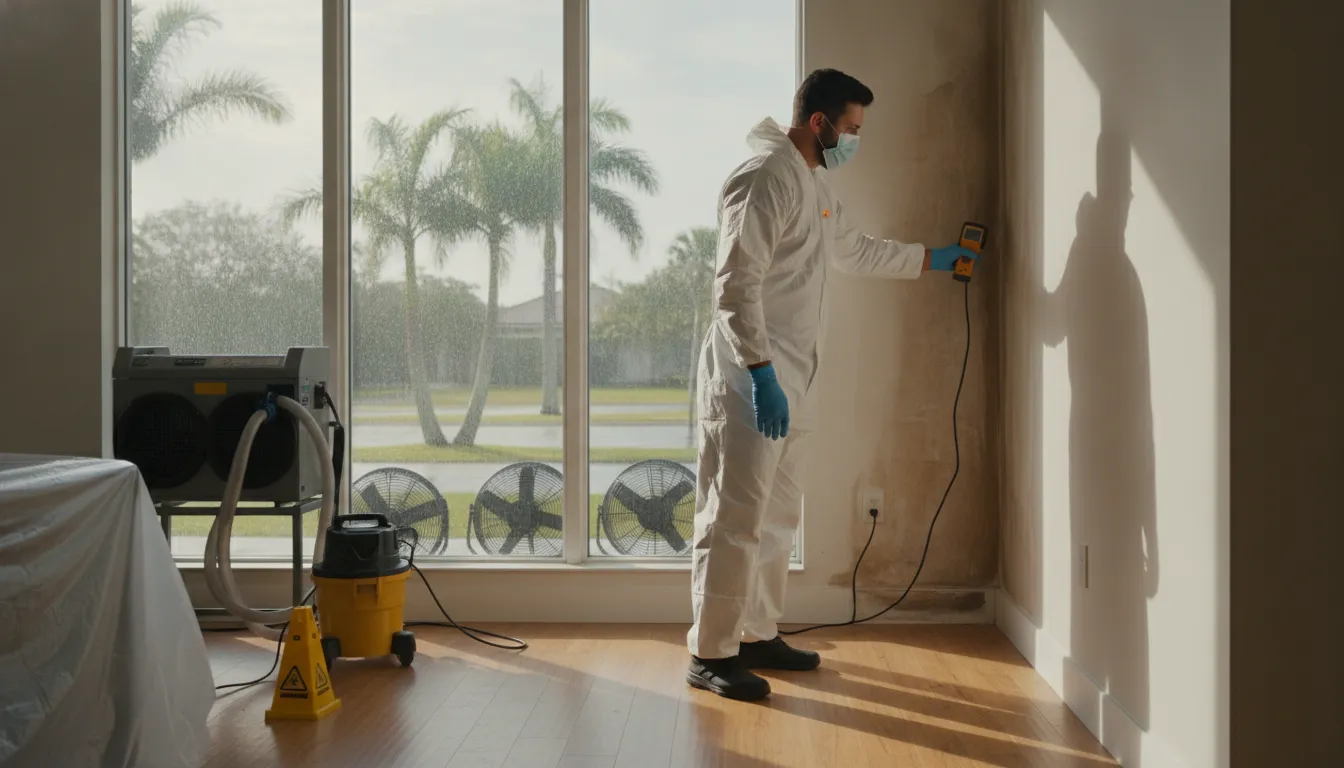
Once the standing water is gone, the focus shifts to the moisture you can’t see. Water is sneaky and loves to hide inside porous materials like wood, drywall, and insulation. To combat this, restoration experts use specialized equipment, including high-velocity air movers and commercial-grade dehumidifiers. These tools create airflow across walls, carpets, and furniture to accelerate evaporation while the dehumidifiers pull that moisture out of the air. They also use moisture meters to detect dampness hidden within structures, ensuring every last bit of water is gone. This thorough drying process is essential for preventing warping, swelling, and long-term structural problems.
Making Your Home Safe and Clean Again
The water from a burst pipe isn’t always clean. It can carry contaminants from the pipes or pick up dirt and bacteria as it flows through your home. A professional cleanup service includes a deep cleaning and sanitizing step to address this. After removing damaged materials that can’t be saved, technicians use professional-grade cleaning agents to treat all affected surfaces. They then apply antimicrobial treatments to disinfect the area, which helps prevent the growth of bacteria and viruses. This step is about more than just appearances; it ensures your home is a safe and healthy environment for you and your family, free from lingering odors and germs.
From Damage Assessment to Full Repairs
With the area clean and dry, the team can conduct a full assessment to determine the extent of the damage. This involves a careful inspection of everything the water touched, from flooring and drywall to insulation and structural supports. Based on this evaluation, they will outline all the necessary repairs to bring your property back to its pre-loss condition. This might involve replacing a section of drywall, installing new carpet, or even more complex reconstruction. A full-service company can handle all these disaster recovery services, managing the entire project so you don’t have to coordinate with multiple contractors.
Comprehensive Restoration Services
Sometimes, a burst pipe is just one piece of a larger puzzle. A severe storm, a small kitchen fire, or a hidden, long-term leak can create a complex situation that goes far beyond simple water removal. This is where a comprehensive restoration company shows its true value. Instead of you having to coordinate multiple contractors for different issues, a full-service team can manage the entire project from start to finish. They have the training and equipment to handle interconnected problems, ensuring that every aspect of the damage is addressed—from the initial emergency to the final coat of paint. This integrated approach saves you time and stress, and it guarantees no detail is overlooked in getting your home back to normal.
Fire, Smoke, and Storm Cleanup
Disasters rarely happen in neat, isolated incidents. For example, the water damage in your living room might be the result of a storm that also damaged your roof. Or, a fire in your home could be extinguished, only to leave behind a combination of water, smoke, and soot damage. A true restoration expert understands how to tackle these multi-layered challenges. They won’t just focus on drying the floors; they’ll also handle the safe removal of debris, eliminate stubborn smoke odors, and clean soot from every surface. This holistic approach is crucial for a complete recovery. A team equipped to handle fire and smoke damage ensures all related issues are resolved at the same time, preventing lingering problems down the road.
Specialty and Biohazard Cleaning
After the visible damage is handled, the focus shifts to invisible threats. Depending on its source, the water in your home could carry contaminants that pose a serious health risk, especially if it’s from a sewage backup or floodwaters. Any lingering moisture also creates the perfect environment for mold to thrive, which is a major concern in our humid climate. Professional restoration includes specialty cleaning to make your home safe again. Technicians use professional-grade disinfectants and antimicrobial treatments to sanitize affected areas, preventing the spread of germs. This deep cleaning and mold remediation is a critical step for your family’s well-being and something standard cleaning services simply aren’t equipped to do.
Preventing Mold Growth After a Leak
One of the biggest risks after any water event is mold. Mold spores are everywhere, and they can begin to grow on damp surfaces in as little as 24 to 48 hours. A key part of professional water cleanup is proactive mold prevention. By rapidly and thoroughly drying your property, the team eliminates the moisture that mold needs to thrive. Many services also apply an antimicrobial agent to at-risk areas as an extra layer of protection. This crucial step not only protects your home’s structure but also safeguards your family’s health. If mold is already a concern, a certified team can also provide professional mold remediation to safely remove it.
Why Response Time Matters in Water Damage Restoration
When you’re dealing with a burst pipe, the clock starts ticking immediately. The difference between a minor cleanup and a major restoration project often comes down to minutes, not hours. That’s why one of the most important factors in choosing a cleanup company is how quickly they can get to your property. A fast response isn’t just about convenience; it’s about protecting your home and your wallet from extensive damage.
Why Every Minute Counts
When water is spreading through your home, every second counts. The longer water sits, the more it soaks into your drywall, flooring, and personal belongings, causing more destruction. A top-tier restoration company understands this urgency and should be able to arrive at your St. Petersburg property within 30 to 60 minutes of your call. This kind of speed is essential for containing the problem and minimizing the initial damage. A quick response is the first and most critical step in an effective water damage restoration plan, helping to keep the overall repair costs from escalating.
Why You Need a Team That’s Always on Call
Plumbing emergencies don’t stick to a 9-to-5 schedule. A pipe can burst in the middle of the night, over a long weekend, or during a holiday celebration. Because of this, 24/7 availability is a non-negotiable quality for any emergency restoration company. You need a team that is always on call and ready to dispatch help immediately, no matter the day or time. This ensures you get the support you need right when you need it most. Knowing you can contact a team for immediate help provides invaluable peace of mind during what is already a very stressful situation.
How a Quick Response Saves Your Property
Quickly removing standing water is only part of the battle. The real race is against the secondary damage that follows, especially mold. In the humid Florida climate, mold can begin to grow in as little as 24 to 48 hours after a water event. A fast response allows the crew to begin the drying and dehumidifying process right away, stopping mold before it can take hold. Prompt action also prevents long-term structural problems like warped floorboards and weakened drywall. By addressing the water damage quickly, you can often avoid the more complex and costly process of mold remediation.
Breaking Down the Cost of Water Damage Restoration
When you’re staring at a flooded room, the last thing you want to worry about is getting overcharged for the cleanup. But knowing what goes into the cost can give you peace of mind and help you choose a company that’s both effective and transparent. The total price is more than just a single number; it’s a combination of several critical services, each with its own purpose. Understanding these steps helps you see where your money is going and ensures the job is done right from start to finish.
What’s Included in the Assessment Fee?
Before any work begins, a professional team needs to see the situation firsthand to create a solid plan. This initial visit involves identifying the source of the leak, measuring how far the water has spread, and classifying the type of water damage. A thorough assessment is the foundation for an accurate quote and an effective cleanup strategy. It helps ensure there are no surprises down the road and that every affected area is accounted for from the very beginning, setting the stage for a smooth restoration process.
The Cost of Water Extraction
Once the plan is set, the immediate priority is getting the standing water out. Professionals use powerful, truck-mounted vacuums and submersible pumps to handle this quickly. The goal is to remove as much water as possible to minimize further damage. Fast and efficient water damage restoration is crucial because the longer water sits, the more it soaks into drywall, flooring, and furniture. This creates a bigger, more expensive problem and significantly increases the risk of mold growth if not addressed immediately.
Costs for Drying and Dehumidifying
Just because the visible water is gone doesn’t mean the job is done. Moisture loves to hide in porous materials like wood and drywall, and it lingers in the air. This is where industrial-grade air movers and dehumidifiers come in. The restoration team will strategically place this equipment to create airflow and pull every last bit of moisture out of your property. They’ll use special meters to monitor the drying process, ensuring your home’s structure is returned to its normal moisture content before they move on to repairs.
The Price of Cleaning and Sanitizing
Depending on the source of the burst pipe, the water can contain contaminants. Even clean water can pick up bacteria as it sits on floors and inside walls. That’s why a proper cleanup always includes cleaning and sanitizing affected surfaces. Professionals use antimicrobial treatments to prevent the growth of bacteria, viruses, and mold. This step is all about protecting your family’s health and ensuring your home is not just dry, but also safe and clean to live in again.
Estimating Repair and Restoration Costs
This is the final phase, where your home starts to look like itself again. The extent of repairs can vary dramatically. Sometimes it’s as simple as replacing a section of drywall and painting. In more severe cases, it could involve rebuilding walls, installing new flooring, or replacing kitchen cabinets. A good company will handle these disaster recovery services seamlessly, working to restore your property to its pre-damage condition so you can finally put the incident behind you and get back to normal life.
Understanding Mold Remediation Costs
Average Cost of Mold Removal
If water damage isn’t addressed quickly and correctly, mold is often the unwelcome guest that follows. Figuring out the cost to get rid of it can be tricky, but national averages suggest homeowners might spend anywhere from $1,500 to $4,000 for a typical project. This price tag can swing quite a bit depending on the situation. A small patch of mold in an easy-to-reach spot will be on the lower end, while a widespread problem that has crept into your walls will cost more. The key is to address it with professional mold remediation, which ensures the mold is safely and completely removed, preventing it from coming back. This isn’t a DIY job, as improper handling can spread spores and make the problem worse.
Factors That Influence the Price
Several key things will influence your final bill. The size of the affected area is the most obvious factor—the more square footage that needs treatment, the higher the cost for labor and materials. Where the mold is growing also plays a big role. A patch on a bathroom wall is much easier and cheaper to handle than mold that has spread throughout your attic or inside a crawl space, which requires more labor and specialized containment. Finally, the cost will also include any necessary repairs. If mold has destroyed drywall, insulation, or flooring, those materials will need to be removed and replaced as part of the disaster recovery services, which adds to the total project cost.
How to Choose the Right Water Damage Restoration Company
When you’re dealing with a burst pipe, the company you call can make all the difference. Choosing the right team isn’t just about getting the water out; it’s about finding a partner who can restore your home and your peace of mind. With so many options out there, it’s smart to know what separates a great restoration company from a mediocre one. Taking a few minutes to check for these key qualifications will help you hire a team you can trust to handle the job correctly from start to finish, preventing bigger headaches down the road.
Is Your Restoration Company Licensed and Insured?
Before you let any team start work on your property, your first step should always be to confirm they are fully licensed and insured. This is non-negotiable. A proper license proves they meet state and local requirements to perform the work, while insurance protects you from any liability if a worker is injured on your property. A reputable company will have no problem providing you with proof of both. This simple check ensures you’re working with a professional team that operates accountably and is committed to protecting both its workers and its clients. You can always contact a company directly to ask for their credentials.
Why IICRC Certification Matters
Here’s a pro tip: ask if the company’s technicians are IICRC-certified. The Institute of Inspection, Cleaning, and Restoration Certification (IICRC) is the industry’s top standard for training and ethics. When a company is IICRC-certified, it means their team has undergone extensive training on the best practices for water damage restoration. They know how to properly assess the damage, use their equipment effectively, and ensure your home is dried and sanitized according to proven standards. This certification is a strong signal that you’re hiring experts who are serious about their craft and dedicated to doing the job right.
Adherence to Industry and Safety Guidelines
A professional restoration company doesn’t just wing it; they operate according to strict industry standards designed to restore your home safely and effectively. These guidelines dictate the entire professional cleanup process, from using specialized equipment to dry hidden moisture to applying the correct antimicrobial treatments to stop bacteria and mold in their tracks. Following this systematic approach ensures the team isn’t just fixing the visible damage but also addressing hidden risks. This commitment to safety protocols is what truly defines a professional service. It’s a crucial step that safeguards your family’s health and gives you confidence that once the job is done, your home is not only dry but also hygienically clean and safe to live in again.
How Fast Can They Get to You?
With water damage, the clock is always ticking. The longer water sits, the more it seeps into your floors, walls, and furniture, leading to more extensive damage and creating a perfect breeding ground for mold. That’s why a company’s response time is so important. You need a team that offers 24/7 emergency services and can get to your home quickly, ideally within an hour or two. A fast response is crucial for minimizing the initial damage and can significantly reduce the overall cost and timeline of your restoration project. When you call, one of the first questions you should ask is, “How soon can you be here?”
Do They Have Professional-Grade Equipment?
Effective water removal and drying require more than just a few fans and a shop vac. Professional restoration companies use specialized, high-powered equipment to handle the job. Ask a potential company what kind of tools they use. You should hear them mention things like industrial-grade water extractors, commercial air movers, and powerful dehumidifiers. They should also use moisture meters to detect hidden water in walls and under floors. The right equipment is essential for ensuring every last bit of moisture is removed, which is key to preventing long-term structural issues and mold growth.
What Are Past Customers Saying?
Finally, take a moment to see what past customers have to say. A quick search on Google or other local review sites can give you a clear picture of a company’s reliability and quality of service. Look for a business with consistently positive reviews that mention professionalism, communication, and quality work. While a perfect record is rare, how a company responds to negative feedback can also be very telling. A strong local reputation is one of the best indicators that you’re choosing a trustworthy partner who stands by their work and cares about their customers in the St. Petersburg community.
Will They Help with My Insurance Claim?
After you’ve dealt with the initial shock of a burst pipe, the next wave of stress often comes from thinking about the insurance claim. Filing a claim can feel like a full-time job, filled with confusing paperwork, endless phone calls, and the constant worry that you won’t get the coverage you need. This is where a great restoration company truly shines. They do more than just remove the water; they become your advocate, guiding you through the entire claims process from start to finish.
A reputable team has seen it all before. They understand what insurance companies need to see to approve a claim and can help you gather the right evidence from the very beginning. Having a professional in your corner can make a huge difference, not just for your stress levels, but for the final outcome of your claim. They can help ensure the process moves along smoothly and that you receive fair compensation for all the covered damages. Their expertise in disaster recovery services often includes direct experience with insurance adjusters and policies, making them an invaluable partner when you need one most.
Helping You Document Everything for Insurance
One of the most critical steps in any insurance claim is documenting the damage, and it needs to happen before anything is moved or thrown away. A professional cleanup company knows this and will immediately get to work creating a detailed record. They’ll take extensive photos and videos of the affected areas, capturing the full extent of the water’s impact on your floors, walls, and belongings. They also create a comprehensive list of every single item that was damaged or destroyed, from furniture and electronics to personal keepsakes. This thorough documentation serves as undeniable proof for your insurance adjuster, forming the foundation of a successful claim.
Communicating Directly with Your Insurance Company
Let’s be honest, insurance policies can be difficult to understand. Trying to communicate with an adjuster using the right terminology can be intimidating, especially when you’re already overwhelmed. Your restoration team can act as a translator between you and your insurance provider. They understand the different classifications of water damage and can speak the adjuster’s language, ensuring all communication is clear and accurate. This prevents misunderstandings that could otherwise delay your claim or lead to a denial of coverage. They make sure the story of what happened is told correctly from a technical standpoint, which is a huge relief.
Getting Help with Confusing Paperwork
The mountain of paperwork that comes with an insurance claim is enough to make anyone’s head spin. A professional restoration company can take this burden off your shoulders. Many companies, including Go Time Restoration, are prepared to work directly with your insurance provider. They can submit their detailed invoice, moisture readings, photos, and all other required documentation straight to your insurance company. This not only saves you time and a major headache but also ensures the paperwork is filled out correctly and submitted promptly. This simple service helps keep the entire process moving forward without unnecessary delays.
How to Get the Most from Your Insurance Claim
Ultimately, the goal of an insurance claim is to get the funds you need to properly restore your home. A professional restoration company helps you maximize your coverage by adhering to strict industry standards, like those set by the IICRC (Institute of Inspection, Cleaning and Restoration Certification). By following these proven procedures for water removal and drying, they create a clear and justifiable scope of work. This makes it much more difficult for an insurance company to question the methods or costs involved. This professional approach ensures you get the coverage necessary for a complete water damage restoration, not just a temporary patch-up job.
The Water Damage Restoration Process: A Step-by-Step Guide
When your home is flooded from a burst pipe, it’s hard to know where to even begin. A professional restoration team brings a clear, methodical approach to a chaotic situation. While every scenario is a bit different, the cleanup process generally follows a proven path to get your property back to normal. Understanding these steps can give you peace of mind and help you know what to look for in a quality company. It all starts with a detailed assessment, moves into rapid water removal, and finishes with a thorough drying and restoration phase. A reliable team will walk you through each part of the process, so you’re never left in the dark.
Step 1: Inspection and Damage Assessment
The moment a restoration team arrives, their first priority is to perform a complete inspection. This isn’t just a quick glance; it’s a detailed assessment to understand the full extent of the water’s reach. They’ll use moisture meters and other tools to find where water has traveled, including behind walls and under floors. This initial check is also critical for safety. The team will identify any potential hazards, like electrical risks or structural issues, and create a solid plan to manage them. This comprehensive approach ensures the entire disaster recovery services process is handled safely and effectively from the very beginning.
Step 2: Water Removal and Extraction
Once a safe plan is in place, the team gets to work removing all standing water. Speed is everything here. Professionals use powerful, truck-mounted extraction units and submersible pumps to remove hundreds or even thousands of gallons of water quickly. This isn’t a job for a shop vac and a bucket. The goal is to get the bulk of the water out as fast as possible to stop it from causing more damage to your home’s structure and contents. This immediate action is a core part of professional water and flood damage restoration and is essential for preventing secondary issues.
Step 3: Drying, Dehumidifying, and Restoring
Getting rid of visible water is just the first part of the job. The most critical phase is drying out everything you can’t see. Restoration experts bring in specialized equipment, including industrial-grade air movers and dehumidifiers, to pull lingering moisture from the air and materials like drywall, wood, and carpet. They will monitor the process closely, taking regular readings to ensure your home is drying properly. This step is crucial for preventing the warping of floors and the growth of mold. In fact, proper drying is the best form of mold remediation because it stops mold before it can even start. Finally, the team will clean and sanitize the affected areas and remove any materials that can’t be saved.
Find the Best Water Damage Restoration in St. Petersburg
When you’re dealing with a burst pipe, you need more than just a cleanup crew; you need a reliable partner to help you through the entire process. Choosing the right company can make all the difference between a stressful, prolonged ordeal and a smooth, efficient recovery. The key is finding a team that is not only skilled but also local, responsive, and trustworthy. This ensures they understand the unique challenges of our area and can be there for you exactly when you need them.
Your restoration partner should be able to handle everything from the initial emergency call to the final repairs, all while keeping you informed. They become your single point of contact, coordinating the technical work and even helping with the insurance paperwork. This lets you focus on what matters most: getting your life and your property back to normal. With the right team on your side, you can feel confident that your home is in capable hands.
Why Go Local for Water Damage Repair?
When water is spreading through your property, every minute counts. Choosing a local St. Petersburg company means you get a team that can respond immediately. A crew that’s already in the area can often arrive within the hour, ready to start mitigation and prevent further damage. This rapid response is something a non-local company simply can’t promise. Plus, a local team understands Florida’s climate. They know how our high humidity can complicate the drying process and lead to mold, and they have the right strategies to handle it effectively. Being available 24/7 for emergencies is non-negotiable, giving you peace of mind that help is always just a phone call away, whether you’re in Downtown St. Pete, Greater Pinellas Point, or a surrounding neighborhood.
How Go Time Restoration Can Help
At Go Time Restoration, we are that local, trusted team. Our IICRC-certified experts are equipped with specialized tools to handle every stage of the cleanup. We provide comprehensive water and flood damage services, from extracting standing water and thoroughly drying every surface to cleaning, sanitizing, and making all necessary repairs. We don’t just fix the immediate problem; we restore your home or business completely. We also know that dealing with insurance can be overwhelming. Our team is experienced in documenting damage and communicating directly with your insurance provider to help streamline your claim. When you’re facing a water emergency, don’t hesitate to contact us for a fast and professional response.
DIY vs. Calling a Pro: When to Make the Call
When you find a burst pipe, your first instinct might be to grab every towel you own and start mopping. For a tiny leak, that can work. But when you’re dealing with significant water, the line between a manageable mess and a major disaster is thin. Knowing when to step back and call for help is the most important decision you’ll make. Trying to handle a large-scale water issue on your own can lead to bigger problems, more expensive repairs, and serious safety risks. Let’s walk through the signs that tell you it’s time to contact a professional.
When You Absolutely Need to Call a Pro
Some situations are simply too big for a DIY approach. If you see standing water covering a large area, water spreading rapidly from room to room, or ceilings beginning to sag, put down the bucket and pick up the phone. You should never try to clean up major water damage yourself. A professional burst pipe cleanup within the first 24 hours can dramatically reduce the total damage and cost. Water that has been sitting for more than a day, has a strange odor, or appears discolored is another clear sign you need expert help, as it could be contaminated.
When to Call a Professional for Mold Removal
If you spot a small patch of mold, it’s tempting to grab a bottle of bleach and handle it yourself. However, what you see is often just the tip of the iceberg. Mold is a clear sign that there’s lingering moisture, and in Florida’s humidity, it can start growing in as little as 24 hours after a leak. You should call a professional if the moldy area is larger than a few square feet, if it keeps coming back, or if you notice a persistent musty smell with no visible source. A certified team has the right equipment to find hidden mold inside walls and the expertise to remove it safely without spreading spores throughout your home. Professional mold remediation is crucial for protecting your family’s health and preventing long-term structural damage.
Avoid These Common DIY Water Cleanup Mistakes
One of the most common mistakes is simply waiting too long to act. The longer water sits, the more it soaks into drywall, subfloors, and insulation, creating a perfect environment for mold. Another frequent error is underestimating the extent of the damage. You might dry the surface of the floor, but moisture can remain trapped underneath, leading to long-term structural issues and hidden mold growth. Finally, don’t forget to document everything. Before you move or clean anything, take extensive photos and videos of the damage. This evidence is absolutely essential when you file your insurance claim.
Why DIY Can Be a Health Risk
Nothing is more important than your safety. If you have standing water, the first thing you should do is turn off the electricity to the affected areas at the breaker box. Walking through standing water when the power is on can be fatal. You also need to consider the water itself. It could be contaminated with bacteria or chemicals, especially if it came from a sewage line or has been sitting for a while. Avoiding contact with this water is crucial. When you’re facing these kinds of hazards, it’s always best to wait for a trained and equipped emergency response team to handle the situation safely.
How to Prevent a Future Burst Pipe
After going through the stress of a burst pipe, the last thing you want is a repeat. Thankfully, you can take straightforward steps to protect your home from future water disasters. Being proactive is your best defense against another unexpected flood. It’s all about regular maintenance and knowing what to look for before a small issue becomes a major catastrophe.
Schedule Regular Pipe Inspections
Making a habit of checking your plumbing can save you a world of trouble. You don’t have to be a plumber to do a quick visual inspection. Look at visible pipes under sinks and in your utility room for moisture, rust, or corrosion. Pay close attention to connections for your washing machine and dishwasher, as these are common failure points. It’s also smart to locate your main water shutoff valve and test it to make sure it works. Catching a tiny drip or a bit of wear early is much easier than dealing with a full-blown water damage restoration project.
Insulate Your Pipes to Prevent Freezing
While St. Petersburg isn’t known for blizzards, an unexpected cold snap can still put pipes at risk, especially those in unheated areas like crawl spaces or attics. Wrapping these vulnerable pipes with foam insulation is a simple, inexpensive fix that provides a powerful layer of protection. If you plan to be away during cooler weather, avoid turning your heat completely off. Keeping the thermostat set to at least 55 degrees helps prevent water from freezing inside the pipes. High water pressure can also strain your plumbing, so consider having a professional check your home’s pressure levels if you’re concerned about your property’s need for disaster recovery services.
Know the Early Warning Signs of a Pipe Problem
Your plumbing often gives subtle hints that something is wrong before a pipe bursts. Learning to recognize these clues is crucial. Keep an eye out for fluctuating water pressure, sputtering faucets, or water that looks rusty. You should also investigate any unexplained damp spots on your walls or ceilings, or strange sounds like banging or hissing coming from your pipes. These are all red flags that could point to corrosion or excessive pressure. If you notice any of these signs, it’s best not to wait. Getting a professional opinion can help you address the problem before it leads to a major disaster. If you’re worried, it’s always better to contact a professional for peace of mind.
Install Smart Water Leak Detectors
Think of smart water leak detectors as smoke alarms for plumbing. These small, affordable devices can be a total game-changer in preventing a small drip from turning into a full-blown flood. You can place them in high-risk areas like behind the washing machine, under the kitchen sink, or next to your water heater. The moment they sense moisture, they send an alert straight to your phone, giving you a critical head-start to shut off the water and address the problem. It’s a simple piece of tech that offers incredible peace of mind and can help you avoid the need for an extensive water damage restoration project down the line.
Maintain Gutters and Downspouts
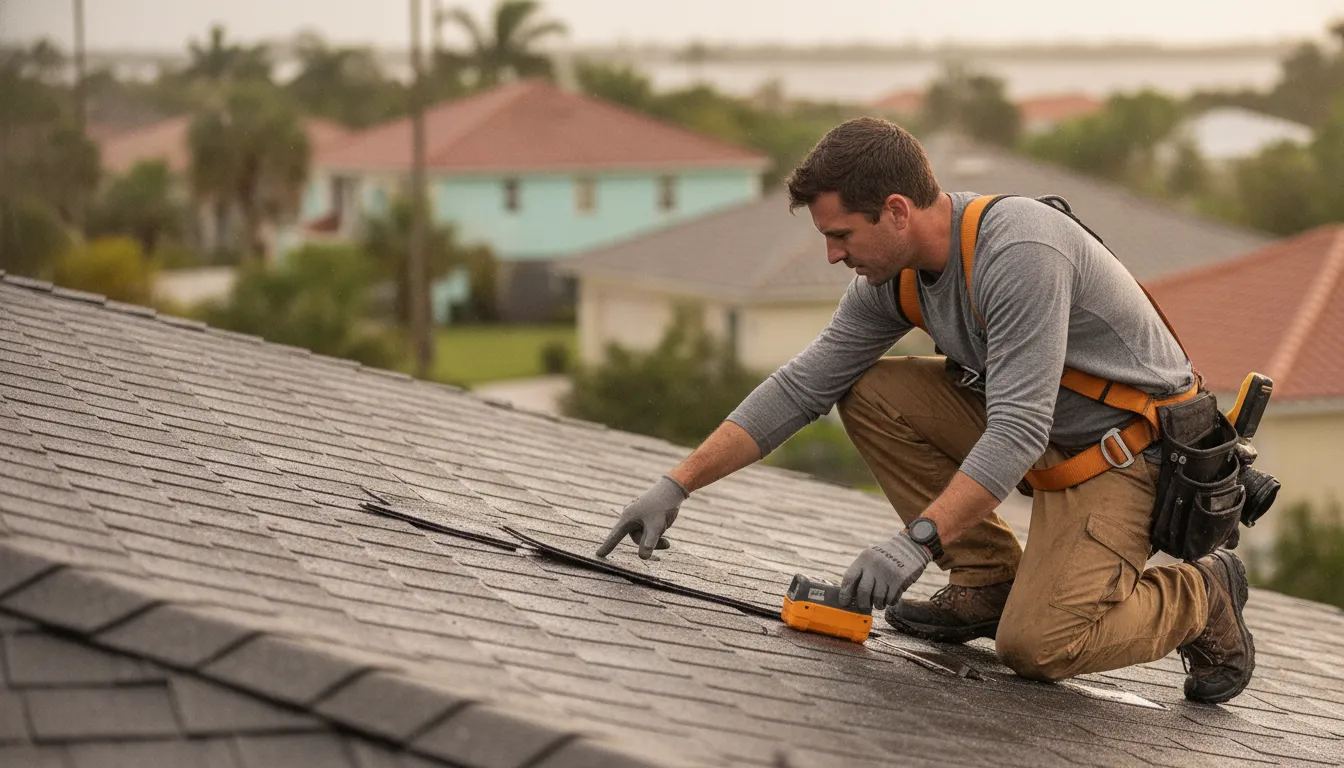
Your gutters play a huge role in protecting your home, but they only work when they’re clear. When gutters get clogged with leaves, pine needles, and other debris, rainwater can’t flow away from your house. Instead, it spills over the sides and pools directly against your foundation, where it can easily seep into your basement or crawlspace. Make it a habit to clean your gutters at least twice a year, especially after the fall. Also, check that your downspouts are directing water at least five feet away from your home. This simple maintenance is a key part of protecting your foundation and your entire roofing system from water damage.
Test Your Sump Pump Regularly
If your home has a sump pump, it’s your silent hero against basement flooding, but it needs a little attention to stay ready for action. You don’t want to find out it’s not working during a heavy Florida downpour. You can easily test it by pouring a bucket of water into the sump pit to make sure the pump turns on, removes the water, and shuts off properly. For extra protection, consider installing a battery backup system. This ensures your sump pump will keep running even if a storm knocks out the power, which is often when you need it most to prevent a major disaster recovery situation.
Seal Foundation Cracks
Your home’s foundation can develop small cracks over time due to natural settling. While they might seem harmless, these tiny fissures can become major entry points for groundwater, especially during heavy rain. Take some time to inspect the interior and exterior of your foundation walls for any visible cracks. If you find any, you can seal them using a concrete patch or a waterproof sealant from your local hardware store. This is a straightforward but incredibly effective way to stop water from getting in and causing dampness, mold, and other long-term issues. A solid, sealed foundation is one of your best defenses against water intrusion.
Related Articles
- Water Damage Restoration St. Petersburg | Go Time Roofing and Restoration
- Urgent Water Restoration St Pete: 24/7 Emergency Response
Frequently Asked Questions
What’s the very first thing I should do if a pipe bursts? Before you do anything else, focus on safety. Your first step is to shut off your home’s main water valve to stop the flow of water. Next, turn off the electricity at the breaker box for all affected areas to prevent any electrical hazards. Once the immediate situation is stable, your very next call should be to a professional restoration company. The sooner they arrive, the more damage they can prevent.
How long does the entire cleanup and restoration process usually take? The timeline really depends on how much water was released and how long it was sitting. The initial water extraction can often be done in a day. The most critical phase, which is the structural drying with air movers and dehumidifiers, typically takes three to five days. After that, the repair phase begins. This could be quick for minor drywall patches or take longer if flooring, cabinets, or other structural elements need to be replaced.
Why can’t I just use fans and a shop vac to dry everything myself? While that might seem like a good first step, it only addresses the surface-level problem. Water quickly soaks deep into materials like drywall, wood subfloors, and insulation. A shop vac can’t pull out this trapped moisture, and regular fans just circulate damp air. Professionals use specialized equipment, including commercial-grade dehumidifiers and moisture meters, to find and remove this hidden water, which is essential for preventing structural damage and mold growth.
Can my carpets, furniture, and other belongings be saved after water damage? Whether your belongings can be saved depends on a few factors, like what they are made of, the type of water involved, and how long they were wet. Porous items like mattresses and carpet padding are often a loss. However, many other items, including wood furniture and some textiles, can be successfully restored using professional cleaning and drying techniques. A good restoration team will help you assess what is salvageable and what needs to be discarded.
Do I have to handle the insurance claim all by myself? You don’t have to go it alone. A reputable restoration company will act as your partner through the insurance process. They will provide your adjuster with comprehensive documentation, including photos, moisture readings, and a detailed list of damages. This professional evidence helps justify the work needed and can make the claims process much smoother, ensuring you get the coverage you need for a proper restoration.