Sometimes the most powerful tool you have as a property owner is your own senses. Water damage isn’t always obvious, but it often leaves subtle clues long before you see a puddle on the floor. It might be a persistent, musty odor in a specific room that you can’t quite place. It could be the feeling of damp, heavy air or the sight of paint that’s just starting to bubble or peel. These are not just minor annoyances; they are your building’s early warning system. Learning to trust your instincts and investigate these small changes is key. This guide will teach you how to recognize these sensory signs of water damage in commercial building so you can uncover hidden issues before they become disasters.
Key Takeaways
- Prevention is your best strategy: Regularly inspect your property, especially the roof, plumbing, and foundation, to catch small issues before they become major problems. Simple actions like cleaning gutters and monitoring indoor humidity can save you from costly repairs.
- Trust your senses to find hidden damage: Water damage isn’t always a visible puddle. Pay close attention to subtle clues like persistent musty odors, peeling paint, warped surfaces, or an unexplained spike in your water bill, as these often point to a hidden leak.
- Your immediate response is crucial: When you find damage, document everything with photos, stop the water source if it’s safe, and call a professional restoration company immediately. A fast response is the best way to prevent structural decay and mold growth.
Spotting Visible Water Damage
Some of the most telling signs of water damage are hiding in plain sight. You just need to know what to look for. Regularly walking through your property with a keen eye can help you catch problems before they escalate into costly repairs. Think of it as a routine check-up for your building. These visual cues are your property’s way of telling you something is wrong, so paying attention is the first step toward protecting your investment.
Water Stains and Discoloration
Water stains are one of the most common and obvious signs of a leak. On ceilings and walls, they often appear as yellowish-brown, map-shaped splotches that tend to grow larger over time. You might also notice dark spots on your floors or rust-colored stains around metal fixtures like pipes or faucets. These marks are left behind by water that has seeped through building materials, carrying minerals and dirt with it. If you see any new or expanding discoloration, it’s a clear signal that moisture is present where it shouldn’t be. Addressing these stains quickly can prevent the minor issue from turning into a major water damage restoration project.
Peeling, Bubbling, or Warping Surfaces
Have you noticed paint or wallpaper that’s starting to bubble, peel, or flake? This is a classic sign that water is trapped behind the surface. When moisture saturates drywall or plaster, it breaks down the bond between the wall and its finish. The pressure from the trapped water pushes the paint or wallpaper outward, creating bubbles or causing it to peel away entirely. You might see this happen near windows, under sinks, or on ceilings below a bathroom or leaky roof. Don’t just scrape it off and repaint; this cosmetic issue points to a deeper moisture problem that needs to be fixed first.
Sagging Ceilings and Walls
A sagging ceiling or a bowed wall is a serious red flag that requires immediate attention. This happens when materials like drywall and ceiling tiles absorb a significant amount of water, making them heavy, weak, and unstable. The sag indicates that water is pooling in that area, putting immense strain on your building’s structure. This is often caused by a persistent leak from the floor above or a failing roof. If you see any part of your ceiling or walls starting to droop, it’s crucial to address the source of the water. A compromised roofing system is a frequent culprit, so a professional inspection is a wise next step.
Warped or Buckled Flooring
Water damage often reveals itself underfoot. If you have hardwood floors, look for signs of cupping, where the edges of the planks are higher than the center, or crowning, where the center is swollen and raised. Vinyl or laminate flooring might start to buckle, lift, or separate at the seams. You should also check your baseboards for any swelling or warping, as they are quick to absorb moisture from the floor. These issues suggest that water has penetrated the flooring and is affecting the subfloor. Ignoring warped floors can lead to rot and structural decay, so it’s important to investigate the cause right away.
Cracks in Your Foundation or Walls
While minor settling cracks can be normal in any building, new or expanding cracks are a cause for concern, especially when other signs of water are present. Water can weaken your building’s foundation by eroding the soil around it or by seeping into the concrete itself, causing it to crack under pressure. You might notice vertical or horizontal cracks appearing on interior drywall or exterior foundation walls. If you spot a crack that seems to be growing or is accompanied by dampness or water stains, it could indicate a significant moisture problem that is compromising your property’s structural integrity.
Uncovering Hidden Water Damage
Water damage isn’t always as dramatic as a burst pipe or a flooded room. Sometimes, the most destructive issues are the ones you can’t see. Slow leaks behind walls, under floors, or in ceilings can silently cause structural decay, trigger mold growth, and lead to expensive repairs if left unchecked. Your senses are your best first line of defense. Paying attention to subtle changes in your building’s environment can help you catch these hidden problems before they become catastrophes. Here are the key signs that point to concealed water damage.
Musty or Damp Odors
If you walk into a room and are hit with a persistent, earthy smell, don’t just light a candle and hope it goes away. That musty odor is one of the most reliable indicators of hidden moisture and potential mold. Even if you can’t see any visible signs of a problem, that damp smell means water is lingering somewhere it shouldn’t be, likely within walls, under carpets, or above ceiling tiles. This environment is the perfect breeding ground for mold, which can compromise your building’s air quality and structure. When your nose tells you something is wrong, it’s time to listen and investigate further before a small issue requires extensive mold remediation.
Sudden Spikes in Water Bills
Your utility bills can tell a story, and a sudden, unexplained spike in your water bill is a major red flag. If your property’s water usage habits haven’t changed but the cost has jumped, you likely have a leak somewhere in your plumbing system. It could be a running toilet, a dripping faucet, or something more sinister, like a cracked pipe hidden in a wall or under the foundation. Don’t dismiss it as a fluke. Compare your recent bills to previous months and the same period last year. A consistent increase signals a problem that is not only wasting water and money but could also be causing significant, unseen water damage to your property.
High Indoor Humidity
Does the air inside your building feel unusually sticky or damp? Do you notice condensation forming on windows or other cool surfaces, even when it’s not particularly humid outside? Unexplained high indoor humidity is a strong clue that there’s excess moisture being released into your environment. This moisture has to come from somewhere, and a hidden water leak is a common culprit. This damp air doesn’t just feel uncomfortable; it creates a welcoming habitat for mold and mildew, can cause wood to swell, and may damage electronics and inventory. It’s a clear sign that you need to find the source of the excess water.
More Pests Than Usual
If you’re suddenly fighting off an influx of cockroaches, ants, silverfish, or even termites, the root cause might be water. These pests are drawn to damp, dark environments, and a hidden leak provides the perfect place for them to live and multiply. While you might be focused on calling an exterminator, it’s crucial to consider why they’ve appeared. An increase in pest activity can be a secondary sign of a long-term moisture problem. Treating the pests without addressing the underlying water issue is only a temporary fix. Finding and repairing the leak is the only way to make your property less inviting to these unwanted guests for good.
Mold or Mildew Growth
Finding fuzzy or slimy spots of black, green, or white growth on walls, ceilings, or baseboards is a definite sign of a water problem. Mold loves damp places, and what you can see is often just the tip of the iceberg. A small, visible patch can indicate a much larger, hidden colony thriving behind the drywall or under the flooring. Trying to clean it yourself can be ineffective and even dangerous, as disturbing the mold can release spores into the air. If you spot any mold, it’s essential to call for professional mold remediation to safely remove it and address the moisture source that allowed it to grow in the first place.
What Causes Commercial Water Damage?
Water damage in a commercial building isn’t always the result of a dramatic flood. More often, it’s a slow, quiet problem that builds up over time, hidden behind walls or above ceilings. Understanding where this water comes from is the first step to protecting your property, your inventory, and your bottom line. The causes can range from aging internal systems to the powerful forces of a Florida storm. By knowing what to look for, you can catch issues early and prevent a small leak from turning into a major restoration project.
Leaky Pipes and Plumbing
Think of your building’s plumbing as its circulatory system. When it’s working correctly, you barely notice it. But a single failure can cause widespread problems. Plumbing issues are one of the most common culprits behind commercial water damage, often starting as slow drips from leaky pipes or failing joints that go undetected for weeks or months. Clogged drains or backed-up sewer lines can also force water back into your property, creating an unsanitary and damaging mess. Because most plumbing is hidden behind walls and under floors, these problems can cause significant rot and mold growth before you ever see a visible sign of trouble.
Roof Leaks and Drainage Issues
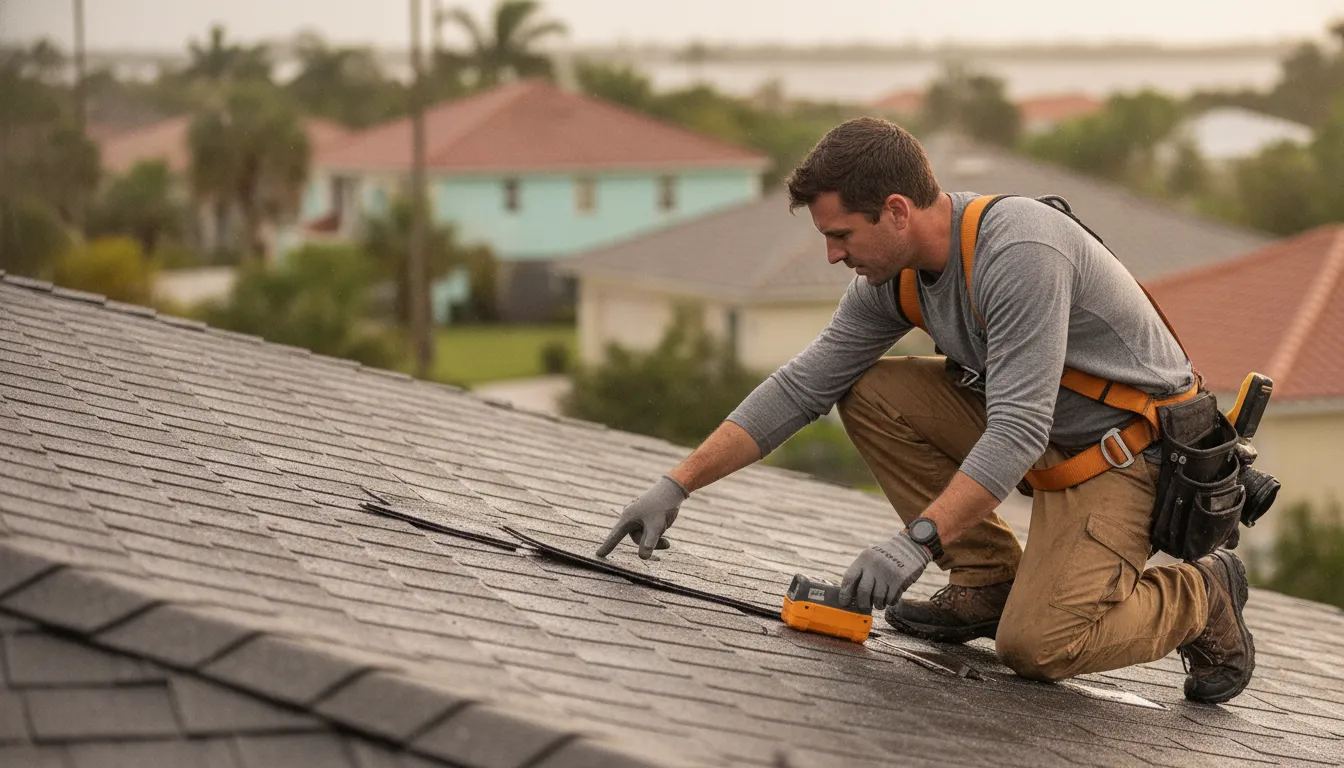
Your roof is your property’s first line of defense against the elements, and here in Florida, it takes a beating from heavy rain and intense sun. A small breach in your roofing system can lead to serious water intrusion. Damaged shingles, failing flashing around vents, or clogged gutters and drains can allow rainwater to seep into your building’s structure, soaking insulation, ceiling tiles, and wall cavities. Regular inspections are key, as even a minor leak can compromise your building’s integrity over time. If you suspect an issue, addressing your roofing services needs promptly can prevent a much larger headache down the road.
HVAC and Appliance Leaks
The systems that keep your building comfortable can also be a surprising source of water damage. HVAC units naturally produce condensation, which is supposed to drain away harmlessly. However, if the drain line becomes clogged, that water can back up and overflow, often in an attic or utility closet where it won’t be noticed right away. Older appliances like water heaters, boilers, and commercial refrigerators are also potential risks. A slow leak or a sudden burst from one of these units can release a significant amount of water, damaging floors and surrounding areas.
Sprinkler System Failures
While fire sprinkler systems are essential for safety, they can unfortunately become a source of major water damage themselves. A faulty sprinkler head, a frozen or burst pipe, or even an accidental activation can quickly flood a large area of your commercial property. This isn’t just a small leak; a single sprinkler head can release dozens of gallons of water per minute. Regular maintenance and inspection of your fire suppression system are crucial to ensure it works when you need it and doesn’t cause a disaster of its own. When this kind of sudden flooding occurs, you need immediate disaster recovery services to minimize the damage.
Storms and Flooding
Living in St. Petersburg means preparing for severe weather, including tropical storms and hurricanes. These events can cause catastrophic water damage through roof damage, wind-driven rain, and storm surge flooding. Even a typical heavy thunderstorm can overwhelm drainage systems and lead to water entering your building. Beyond weather, external factors like a nearby water main break can also cause sudden and extensive flooding on your property. This type of large-scale water intrusion requires a rapid and professional water and flood damage response to extract the water and begin the drying process immediately.
Where Does Water Damage Hide?
Water damage isn’t always as dramatic as a burst pipe flooding a room. More often, it’s a silent problem that starts in places you don’t see every day. Water is sneaky; it can travel from its entry point through wall cavities, along pipes, and under floors, causing damage far from the original source. This is why a small leak in the roof can result in a water stain on a wall one floor below, or why a crack in the foundation can lead to warped flooring in a back office. Knowing the most common hiding spots is your best defense. It helps you inspect your property with a more critical eye and catch issues before they become major disasters. From the attic to the basement, water can find its way into the smallest crevices. It can get trapped behind walls, under flooring, and above ceiling tiles, slowly causing rot, weakening structural components, and creating the perfect environment for mold. When you understand where water likes to lurk, you can protect your building’s structure, your inventory, and the health of everyone inside. If you suspect a hidden leak, a professional water damage restoration team can help you find and fix it.
In Roofs and Ceilings
A tiny leak in your roof might not seem like a big deal, but it’s one of the most common starting points for hidden water damage. Damaged shingles, flashing, or seals can let rainwater seep in, where it gets trapped between the roof deck and your interior ceiling. You might not notice anything until the water saturates the ceiling material, causing stains, sagging, or bubbling paint. By then, the moisture could have already damaged wooden beams and insulation. Regular inspections are key, especially after heavy storms. Addressing small issues with your roofing services provider can prevent a much larger, more expensive problem down the line.
In Basements and on Ground Floors
Basements and ground-floor spaces are naturally vulnerable to moisture, especially in Florida. Water from the surrounding soil can press against your building’s foundation and find its way inside through even the smallest cracks. Once inside, it can seep under flooring, get absorbed by drywall, and remain hidden for months. This can lead to musty smells, warped floorboards, and a damp feeling in the air long before you see any visible signs of water. Pay close attention to the base of your walls and any cracks in the concrete, as these are prime spots for moisture intrusion.
In Bathrooms, Kitchens, and Utility Rooms
Areas with a lot of plumbing are hotspots for hidden leaks. A slow drip from a pipe behind a wall, under a sink, or from an appliance like a dishwasher or water heater can go unnoticed for a long time. This constant moisture creates an ideal breeding ground for mold and can cause the surrounding wood and drywall to rot from the inside out. Because these leaks are often out of sight, the damage can become extensive before it’s discovered. If you notice a persistent musty odor or see discoloration on walls near plumbing fixtures, it’s a strong sign you need to investigate further for a potential leak and the need for mold remediation.
Around Windows and Exterior Walls
Your building’s exterior is its first line of defense against the elements, but it’s not impenetrable. Water can work its way in through failing window seals, cracks in the stucco or siding, or from overflowing gutters. When gutters get clogged, rainwater spills down the side of the building and can seep into the wall cavity through any small opening it finds. This trapped moisture can saturate insulation, rust metal fasteners, and rot wooden frames, all completely out of view. Regularly checking your window seals and keeping your gutters clean are simple but effective ways to keep water out of your walls.
How to Assess Water Damage
Once you’ve spotted signs of water damage, the next step is to figure out how serious the problem is. A thorough assessment helps you understand the scope of the damage and what the restoration process will look like. While a visual check is a good start, water damage often goes deeper than the surface, seeping into walls, insulation, and subfloors. A professional evaluation is the best way to get a complete picture, but knowing what to look for can help you prepare for the conversation and understand the urgency of the situation.
Understand the Classes of Water Damage
Not all water damage is created equal. Professionals categorize it into four classes based on the evaporation rate and extent of saturation. Class 1 is the least severe, involving a small amount of water and materials that don’t absorb much moisture. Class 2 involves a larger area where water has wicked up the walls. Class 3 is the most severe, often from an overhead source like a burst pipe, saturating everything from the top down. Class 4 involves specialty drying for materials like concrete or hardwood. Understanding these classes helps determine the right equipment and approach for restoration.
Find Hidden Moisture with Professional Tools
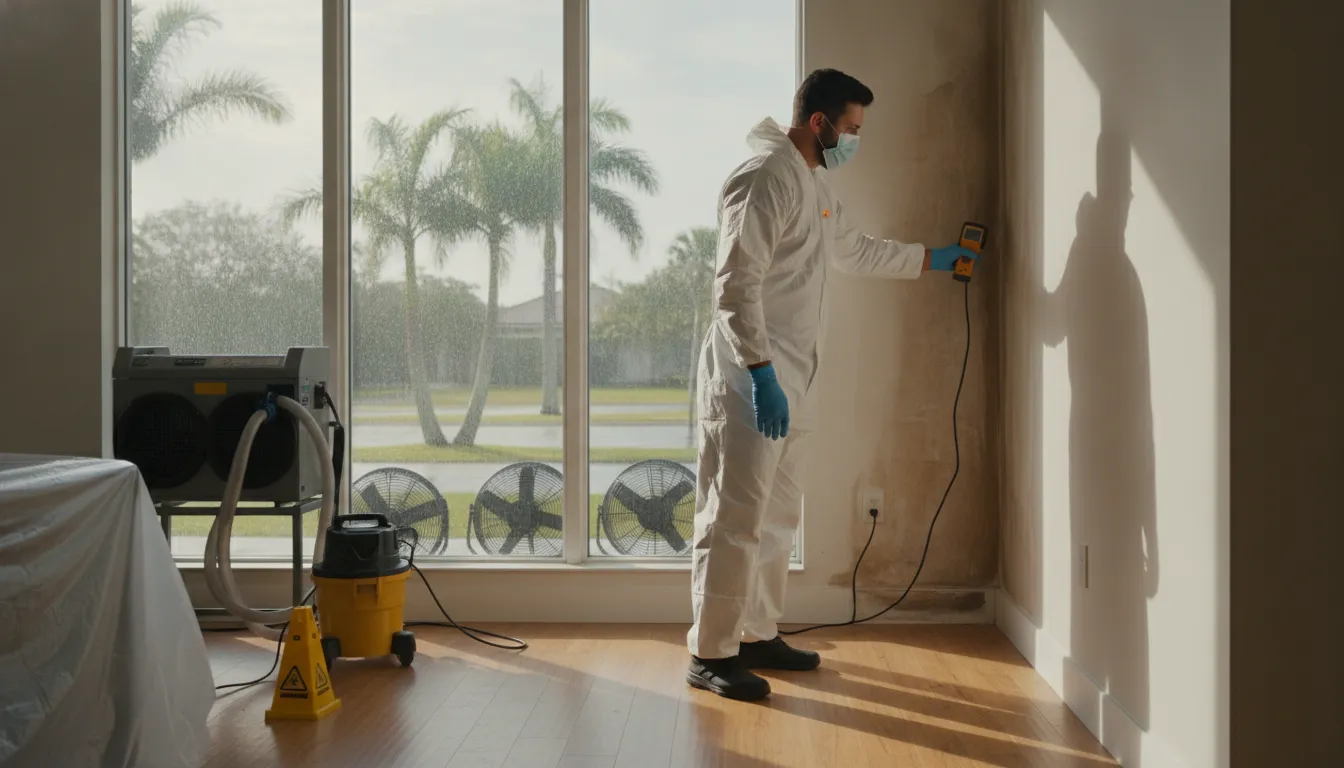
The biggest challenge with water damage is that you can’t always see it. Water can hide behind walls, under flooring, and in ceiling cavities, creating a perfect environment for mold and rot. That’s why a professional water damage restoration team uses specialized equipment for an accurate reading. Tools like moisture meters and thermal imaging cameras allow technicians to pinpoint hidden moisture without tearing your walls apart. This non-invasive approach ensures all affected areas are identified and properly dried, preventing long-term structural issues and future mold problems.
Know How Different Materials Absorb Water
Different materials react to water in different ways. Porous materials like drywall, insulation, and wood act like sponges, quickly soaking up water. This can cause them to swell, warp, and lose their structural integrity in a short amount of time. Non-porous materials like tile and concrete might seem resistant, but water can still seep into grout lines or cracks, affecting the subfloor underneath. Understanding how materials absorb water is key to assessing the potential damage and highlights why a fast response is critical to preventing a small leak from becoming a major disaster.
What Happens If You Ignore Water Damage?
Thinking you can just wait out a water issue is a risky gamble. That “out of sight, out of mind” approach doesn’t work when water is involved. What starts as a small, manageable problem can quickly spiral into a costly and hazardous situation. Ignoring water damage doesn’t make it go away; it just gives it time to cause more serious problems for your property, your people, and your wallet.
Structural Damage
Water has a way of getting into everything, and when it seeps into your building’s core, it starts to break things down. It can soak into drywall, compromise insulation, and weaken the wooden beams that support your floors and roof. Over time, this can lead to sagging ceilings, warped floors, and even cracks in your foundation. The longer water is left to sit, the more it compromises the structural integrity of your building, turning a simple repair into a major reconstruction project. Addressing it quickly is the only way to prevent lasting disaster recovery services from being necessary.
Widespread Mold Growth
One of the most immediate consequences of water damage is mold. It doesn’t take long for mold to appear; spores can begin to colonize damp surfaces in as little as 24 to 48 hours. Because water often hides behind walls or under floorboards, mold can flourish undetected for weeks or months. By the time you notice a musty smell, you could be dealing with a widespread infestation that requires professional mold remediation. This isn’t just an unsightly nuisance; it’s a serious issue that can spread quickly throughout your property if not handled properly.
Health Risks for Employees and Customers
Water damage doesn’t just threaten your building; it can also impact the health of everyone inside. Mold exposure is a well-known trigger for respiratory issues, allergies, and asthma attacks. Even if you can’t see mold, its spores can circulate through your HVAC system, degrading your indoor air quality. A persistent damp or musty odor is a clear warning sign that something is wrong. For the well-being of your team and your clients, it’s crucial to address any water and flood damage immediately to maintain a safe and healthy environment.
Higher Costs and Legal Liability
From a business perspective, ignoring water damage is a financial mistake. Delaying repairs allows the damage to spread, which always results in a more complex and expensive fix. It can also tarnish your property’s appearance, deterring potential tenants or buyers and disrupting your operations. In some cases, you could even face legal liability if the damage affects neighboring units or if someone’s health is impacted. Getting a professional assessment early can save you from these escalating costs and potential headaches. If you’ve found damage, it’s best to contact us for a timely evaluation.
What to Do When You Find Water Damage
Finding water damage can feel overwhelming, but taking immediate, measured steps can make a huge difference. Your priority is to prevent the problem from getting worse while you get the right help on the way. Acting quickly helps protect your property’s structure and minimizes the chance of mold taking hold. Here’s a clear, step-by-step guide on what to do the moment you discover water damage in your commercial building.
Document Everything
Before you move anything, grab your phone. Your first move should be to document the scene thoroughly. Take clear photos and videos of the affected area from every possible angle. Capture close-ups of the damage and wider shots to show the full scope of the problem. Make sure to get pictures of any damaged inventory, equipment, or furniture. These visuals are critical evidence for your insurance claim and will help your restoration team understand what they’re walking into. Jot down some notes about when you discovered the damage and what you observed. This detailed record is your best tool for a smooth claims process.
Stop the Water Source
If you can safely identify the source of the water, your next step is to stop it. For a burst pipe or overflowing appliance, this usually means shutting off the main water supply to your building. If you’re not sure where the main shut-off valve is, now is a good time to find it for future reference. If the water is coming from a storm or you can’t safely access the source, don’t put yourself at risk. Your safety is the top priority. In these cases, focus on the other steps and wait for a professional team to handle the situation.
Dry and Disinfect the Area
While you wait for professional help, you can take some initial steps to start the drying process. If it’s safe, open windows and use fans to get air circulating, which helps moisture evaporate. You can also use a wet/dry vacuum to remove any standing water from floors. However, avoid using heaters, as the warmth can create a perfect breeding ground for mold. Remember that these are just temporary measures. Water seeps deep into materials like drywall and wood, and only professional-grade dehumidifiers and air movers can dry the structure completely and prevent long-term issues.
Call a Professional Restoration Company
Water damage is not a DIY project. Within 24 to 48 hours, mold can begin to grow, and structural materials can start to weaken. That’s why it’s so important to call a certified restoration company immediately. A professional team has the specialized equipment, like moisture meters and thermal imaging cameras, to find all hidden pockets of water. They can properly handle your water damage restoration, ensuring the area is completely dried, cleaned, and restored to prevent future problems like mold and structural rot. Getting an expert on-site quickly is the best way to protect your property and your peace of mind.
Contact Your Insurance Provider
As soon as you’ve called for professional help, your next call should be to your insurance agent. Let them know what happened and start the claims process. Having the photos and notes you took earlier will make this conversation much easier. Your agent can explain your coverage and tell you what to expect next. Many restoration companies, including ours, have experience working directly with insurance providers, which can take a lot of the stress off your shoulders. Don’t delay this step; the sooner your insurer is aware of the situation, the faster your claim can be processed. If you need guidance, our team is always here to help you through the process.
How to Prevent Commercial Water Damage
As a property owner, the last thing you want is a surprise that disrupts business and leads to expensive repairs. Water damage is one of those sneaky problems that can start small and quickly spiral out of control. The good news is that you can get ahead of it. Being proactive is far less stressful and costly than reacting to a disaster. By taking a few preventative steps, you can protect your investment, ensure the safety of your tenants and employees, and keep your business running smoothly.
Think of it as a simple health plan for your building. It involves regular check-ups, using smart technology to your advantage, and making sure your property is sealed tight against the elements. It also means paying attention to the indoor environment and ensuring your financial safety net is in place. These strategies work together to create a strong defense against water intrusion. If you do find an issue, you can always rely on professional water damage restoration to handle it, but preventing the problem in the first place is always the best-case scenario. Let’s walk through the most effective ways to keep your commercial property dry and secure.
Schedule Regular Property Inspections
One of the simplest yet most effective ways to prevent water damage is to regularly inspect your property. Set a reminder to check your building at least once a year and always after a major storm. Start with the roof, looking for any missing, cracked, or damaged shingles or tiles. From there, examine the sealants around windows and on exterior walls, as old caulk can shrink and crack, creating entry points for water.
Don’t forget to look at the ground level. The soil around your building should slope away from the foundation to direct rainwater away, not toward it. These routine checks help you catch small issues before they become major headaches. A professional roofing services team can also perform thorough inspections to spot potential problems you might miss.
Install Leak Detection Systems
Technology can be your best friend in the fight against water damage. Modern leak detection systems use smart sensors to monitor for moisture in high-risk areas like bathrooms, kitchens, and utility closets. The moment a leak is detected, these systems can send an alert directly to your phone, giving you a critical head start.
Some advanced systems can even take immediate action by automatically shutting off the main water supply. This feature alone can prevent a minor drip from turning into a full-blown flood, saving you from catastrophic damage and costly downtime. Investing in a leak detection system is a smart, proactive measure that provides peace of mind and round-the-clock protection for your property.
Waterproof Vulnerable Areas
Think of your building as a complete envelope that needs to be sealed on all sides. To effectively prevent water intrusion, you need to ensure all six sides, the roof, the foundation, and all four walls, are properly waterproofed. This creates a comprehensive barrier against rain, groundwater, and plumbing mishaps. Pay special attention to basements, crawl spaces, and exterior walls, which are common points of entry for moisture.
Applying waterproof coatings, sealing cracks in the foundation, and ensuring your building materials are water-resistant are all key steps. A properly sealed building is your first and best line of defense. Comprehensive disaster recovery services often begin with assessing and reinforcing these critical barriers to protect your property long-term.
Monitor Humidity Levels
Sometimes, the first sign of a water problem isn’t a puddle on the floor but a change in the air. If you notice unexplained high humidity inside your building, pay attention. Signs like condensation on windows, a persistent damp feeling in the air, or a musty smell can all point to a hidden water leak behind a wall or under the floor.
High humidity doesn’t just signal a leak; it also creates the perfect environment for mold to thrive. Keeping an eye on your indoor humidity levels can help you uncover issues early and prevent secondary problems. If you suspect moisture is leading to mold, it’s important to call for professional mold remediation to address the source and ensure the air quality in your building is safe.
Review Your Insurance Policy
Even with the best prevention plan, unexpected events can happen. That’s why it’s essential to understand exactly what your commercial property insurance covers. Don’t just assume you’re protected against all types of water damage. Take the time to sit down and review your policy, or better yet, talk directly with your insurance agent.
Specifically, ask about coverage for events like outside flooding or water main breaks, as these are often excluded from standard policies and may require separate coverage. Knowing the details of your policy ahead of time ensures you won’t face any financial surprises if you ever need to file a claim. If you have questions about the restoration process, a trusted expert can help you understand what to expect when you contact us.
Need Water Damage Restoration in St. Petersburg, FL?
Discovering water damage in your commercial property can be incredibly stressful. As we’ve covered, what starts as a small, hidden issue can quickly escalate, threatening your building’s structure and creating a prime environment for mold. The most important thing to remember is that you have to act fast. Mold can begin to grow in as little as 24 to 48 hours after water exposure, and the longer water is left to sit, the more complex and costly the repairs become. This isn’t a problem you should have to handle on your own.
If you’ve noticed any of the tell-tale signs, from a persistent musty odor to visible water stains on your walls or ceilings, it’s time to call in the professionals. At Go Time Restoration, we understand the urgency and the worry that comes with property damage. Our team is ready to provide expert water damage restoration for property owners throughout St. Petersburg. We don’t just remove the water; we find the source, thoroughly dry the affected areas, and perform any necessary mold remediation to ensure your property is safe, healthy, and secure.
Don’t wait for a minor leak to turn into a major disaster. Our licensed and insured team is prepared to respond quickly, protecting your investment and helping you get your business back on track. We offer comprehensive disaster recovery services to manage the entire restoration process from start to finish. When you’re dealing with water damage, every minute matters. Contact us today for a professional assessment or for immediate emergency help. We’re here for you when you need it most.
Related Articles
- Water Damage Restoration St. Petersburg | Go Time Roofing and Restoration
- Water Damage Restoration St. Petersburg FL – Go Time Roofing
Frequently Asked Questions
I just found a water stain on my ceiling. What should I do right now? First, don’t panic. Grab your phone and take plenty of photos of the stain and the surrounding area for your insurance records. If you can safely identify and stop the water source, like a leaky pipe from the floor above, do that. However, your most important call is to a professional restoration company. They have the tools to find out how far the moisture has spread and can start the drying process correctly to prevent bigger problems.
The water damage seems minor. Can I just let it dry on its own? It’s tempting to hope a small spot will just dry out, but that’s a risky approach. What you see on the surface is often just a fraction of the problem. Water can seep into drywall, insulation, and subflooring, where it gets trapped. This hidden moisture won’t dry on its own and creates the perfect environment for structural rot and mold growth, which can turn a small issue into a very expensive repair.
How quickly does mold become a problem after a leak? Mold can start to grow surprisingly fast, often within 24 to 48 hours of a surface getting wet. This is why a quick response is so critical. By the time you notice a musty smell, a mold colony may already be well-established behind a wall or under the floor. Addressing the water source and starting professional drying immediately is the best way to prevent a mold problem from taking hold in your property.
My water bill suddenly went up, but I can’t find any leaks. What does that mean? An unexplained spike in your water bill is a classic sign of a hidden leak. The problem could be a crack in a pipe inside a wall, under your foundation, or even in your irrigation system. Since you can’t see the source, water could be slowly damaging your building’s structure without you knowing. This is a situation where you should call a professional who can use tools like thermal cameras to locate the hidden leak without causing unnecessary damage.
What’s the difference between what I can do and what a professional restoration company does? While you can certainly take initial steps like documenting the damage and removing standing water with a wet/dry vac, a professional team handles the critical deep-drying process. We use specialized equipment like moisture meters to find all hidden water and commercial-grade air movers and dehumidifiers to dry the structure completely. This ensures that no trapped moisture is left behind to cause long-term issues like mold or rot, which is something fans and open windows simply can’t achieve.