After a storm, your home is more than just a damaged building; it’s your biggest financial asset, and it’s vulnerable. Unfortunately, the chaos that follows a hurricane can lead to costly mistakes, from unknowingly signing away your insurance rights to hiring an unqualified contractor who makes things worse. Protecting your investment requires making smart, informed decisions, even when you feel pressured to act fast. This article will walk you through the common pitfalls homeowners face and show you how to secure your property and your finances. We’ll cover the essential steps for a successful recovery, including how to find a reliable partner for hurricane damage restoration in Pinellas County.
Key Takeaways
- Focus on safety and evidence first: Before you do anything else, confirm your property is safe to enter. Then, take detailed photos and videos of all damage for your insurance claim before you start cleaning or moving items.
- Choose a licensed and local contractor: Avoid scams and shoddy work by hiring a professional with roots in Pinellas County. A local expert knows the specific building codes, will be accountable for their work, and can provide peace of mind.
- Manage the repair process carefully: Contact your insurance agent right away, but be cautious about signing contracts like an Assignment of Benefits (AOB). Ensure you or your contractor get the necessary permits to avoid future fines and legal issues.
What to Do in the First 24 Hours After a Hurricane
The moments after a hurricane passes can feel overwhelming. With so much to do, it’s hard to know where to begin. The first 24 hours are critical for ensuring your safety and protecting your property from further harm. Taking a few key steps right away can make a huge difference in your recovery process. Think of this as your immediate action plan to get through the initial chaos and set yourself up for a smoother restoration.
Prioritize Safety First
Your top priority is always your well-being and that of your family. Before you even think about damage, make sure the area is safe. Wait for official clearance to return to your property, and once you do, be extremely cautious. Look out for downed power lines, gas leaks, and unstable structures. If you smell gas or see frayed electrical wires, leave immediately and call the utility company. Remember that floodwater can be contaminated with sewage, chemicals, and other hazards. It’s also important to start thinking about cleanup quickly, as mold can grow within just 24 to 48 hours on wet surfaces.
Document All Damage Before Cleaning
Before you move, clean, or throw anything away, stop and pull out your phone. You need to document everything for your insurance claim. Take extensive photos and videos of all the damage, both inside and outside your home. Capture wide shots of entire rooms and then get close-ups of specific damaged items and structural issues. A video walkthrough where you narrate what you’re seeing can be incredibly helpful. Make a written list of all damaged belongings. This detailed evidence is your best tool for ensuring you get a fair settlement. This initial record is something a professional team can build on during a full disaster recovery assessment.
Contact Your Insurance Company Immediately
As soon as you and your property are safe, call your insurance agent. Don’t wait. Most policies have strict timelines for filing a claim, and the sooner you start the process, the better. Your agent can explain your coverage, tell you what to expect, and guide you on the next steps. Be sure to ask what you are authorized to do regarding temporary repairs, like boarding up a window or putting a tarp on the roof. According to Pinellas County guidance, you should always talk to your insurance provider before starting any permanent repair work. Keep a log of every conversation, including the date, time, and who you spoke with.
Start Cleanup to Prevent Further Damage
Once you’ve documented the damage and spoken with your insurer, you can begin some initial cleanup to prevent things from getting worse. This is about mitigation, not a full-scale renovation. Remove wet items like rugs, furniture, bedding, and drywall to a well-ventilated area to dry, if possible. This helps stop mold in its tracks. Open windows to air out your home, assuming it’s safe to do so. Because floodwater can be hazardous, always wear protective gear like waterproof boots and gloves. For significant water issues, professional water damage restoration is your safest and most effective option to properly dry, clean, and sanitize your home.
What Is “Substantial Damage” in Pinellas County?
After a hurricane, you’ll hear a lot of new terms, but one of the most important for Pinellas County homeowners is “substantial damage.” This isn’t just a descriptive phrase; it’s an official classification with significant consequences for your repair process. According to the county, a property is considered substantially damaged if the cost to repair it is 50% or more of its market value from before the storm. For example, if your home was worth $400,000 before the hurricane and the repair estimate is $200,000 or more, it falls into this category.
Understanding this threshold is critical because it determines which rules you must follow to rebuild. The “50% rule” is part of a larger effort to make our coastal communities safer and more resilient against future flooding. If your property is deemed substantially damaged, you will be required to bring it into compliance with current floodplain management regulations. Managing this process is a key part of your disaster recovery, and knowing where you stand is the first step toward getting your home and life back in order.
How Officials Determine Substantial Damage
The “substantial damage” classification isn’t something you have to guess at. After a storm event, Pinellas County officials will conduct damage assessments. They calculate the cost of restoring your home to its pre-damage condition and compare that figure to the property’s market value before the storm. If the repair costs meet or exceed that 50% mark, your property is officially designated as substantially damaged. The primary goal of this designation is to reduce future risk. If your home receives this classification, you must follow special rules to prevent future flood damage. A common requirement is elevating the building to or above the current Base Flood Elevation (BFE). This ensures the structure is safer from future storm surges and flooding, which is a major concern in our area. Professional help with water and flood damage can be crucial in these situations.
What This Means for Your Rebuilding Plan
Receiving a substantial damage determination changes your entire rebuilding plan. You can no longer simply repair the damaged parts of your home; you must now bring the structure up to modern building codes and floodplain standards. These rules apply not only to storm-damaged homes but also to any property undergoing a “substantial improvement,” which is a renovation or addition that meets the same 50% cost threshold. This process can feel overwhelming, as it often involves complex permits and construction methods like house lifting. This is why working with a local, experienced contractor is so important. A team that understands Pinellas County’s specific regulations can guide you through the requirements, ensuring your home is rebuilt safely and correctly. If you have questions about your property, it’s always best to contact us for professional guidance.
What Does Hurricane Damage Restoration Include?
After a hurricane passes, the damage left behind can feel overwhelming. It’s often not just one problem but a combination of issues that need professional attention. Hurricane damage restoration is a comprehensive process designed to address everything from a compromised roof to hidden moisture in your walls. Think of it as a step-by-step plan to bring your property back to its pre-storm condition safely and effectively.
The specific services you’ll need depend entirely on what your property has been through. A professional restoration team will assess the situation and create a tailored plan. This usually involves a few key areas of focus, starting with securing your home from further harm and then moving on to detailed cleanup and repairs. Understanding what these services involve can help you feel more in control during a stressful time and ensure you’re getting the right help for your home.
Roof Repair
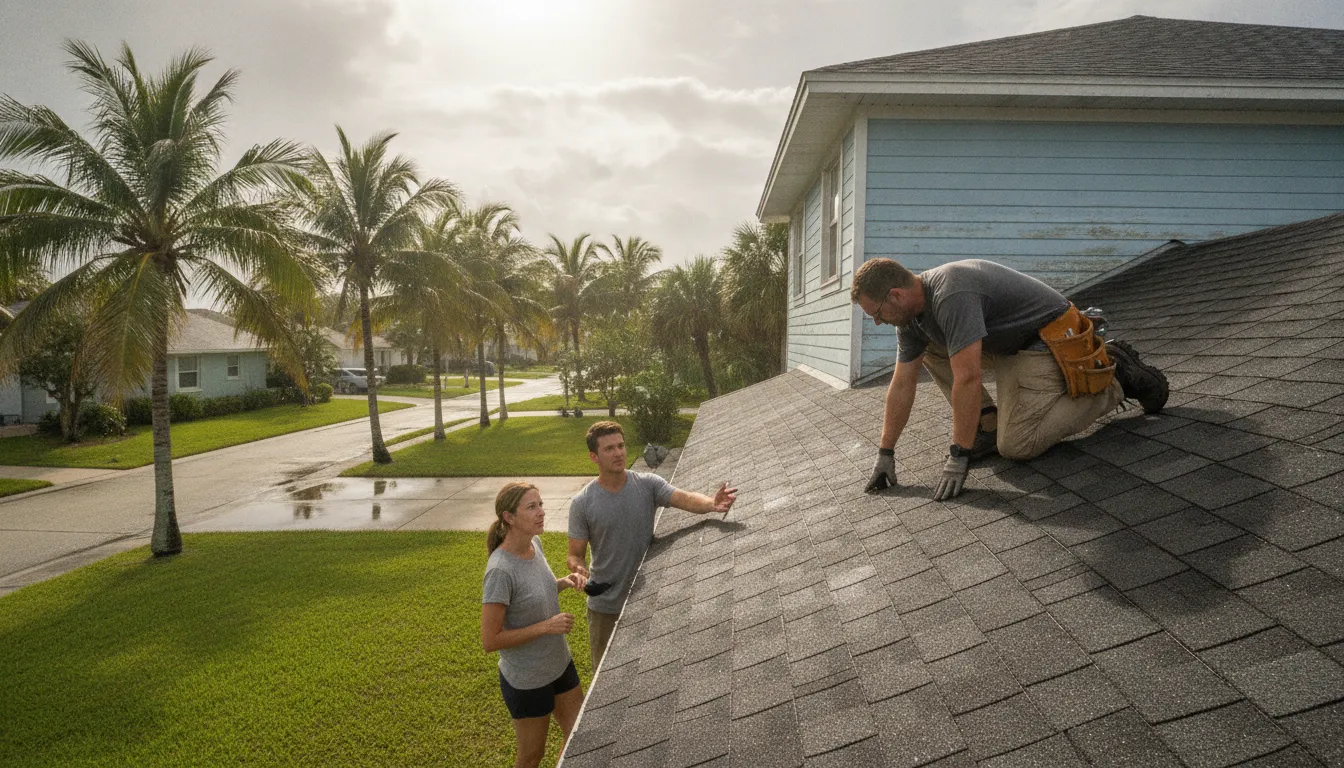
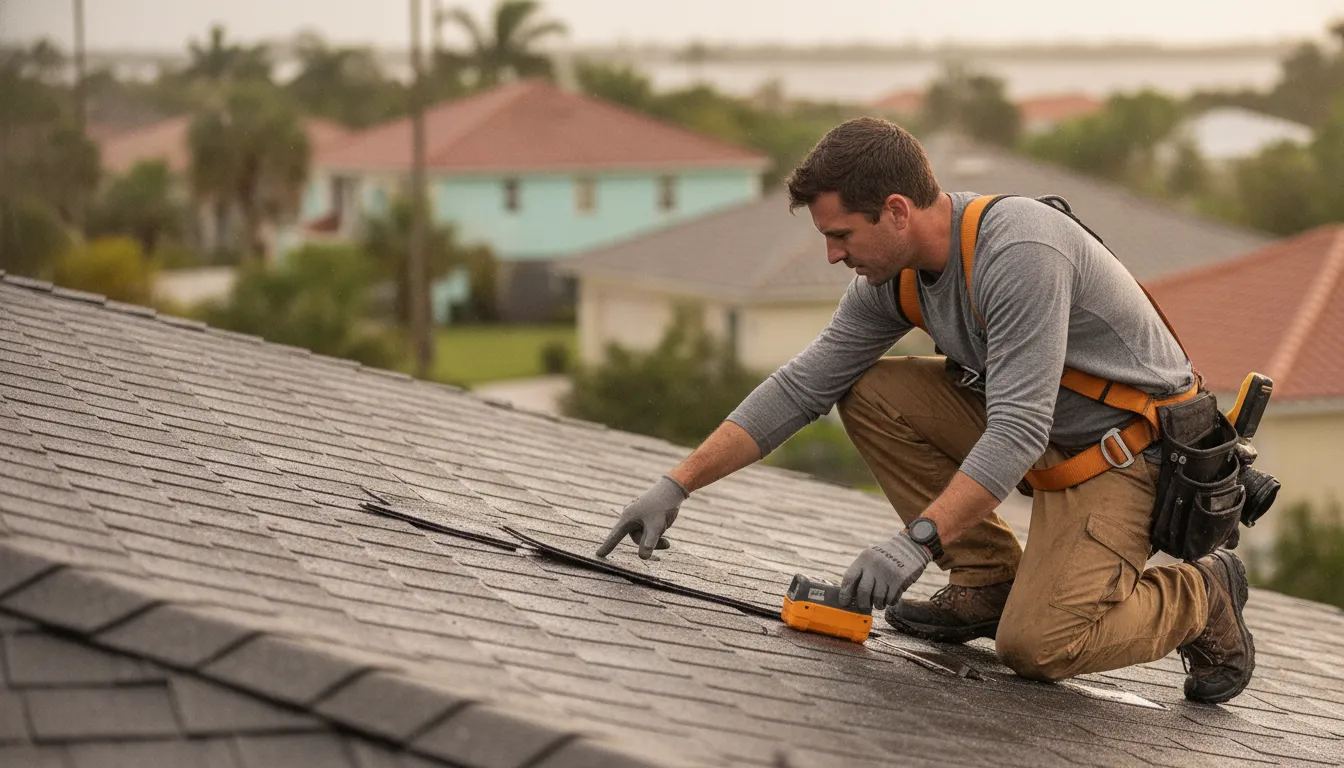
Your roof is your home’s first line of defense, and it often takes the hardest hit during a hurricane. High winds can tear off shingles, while falling debris can cause punctures and structural issues, leading to serious leaks. Getting a professional roofing services is one of the most urgent steps after a storm. In Pinellas County, specific regulations apply to rebuilding, especially for buildings with “substantial damage.” These rules are in place to make sure any repairs or new construction can better withstand future storms, which is why working with a knowledgeable local contractor is so important. They will understand the local codes and ensure your roof is repaired correctly and safely.
Water and Flood Damage Restoration
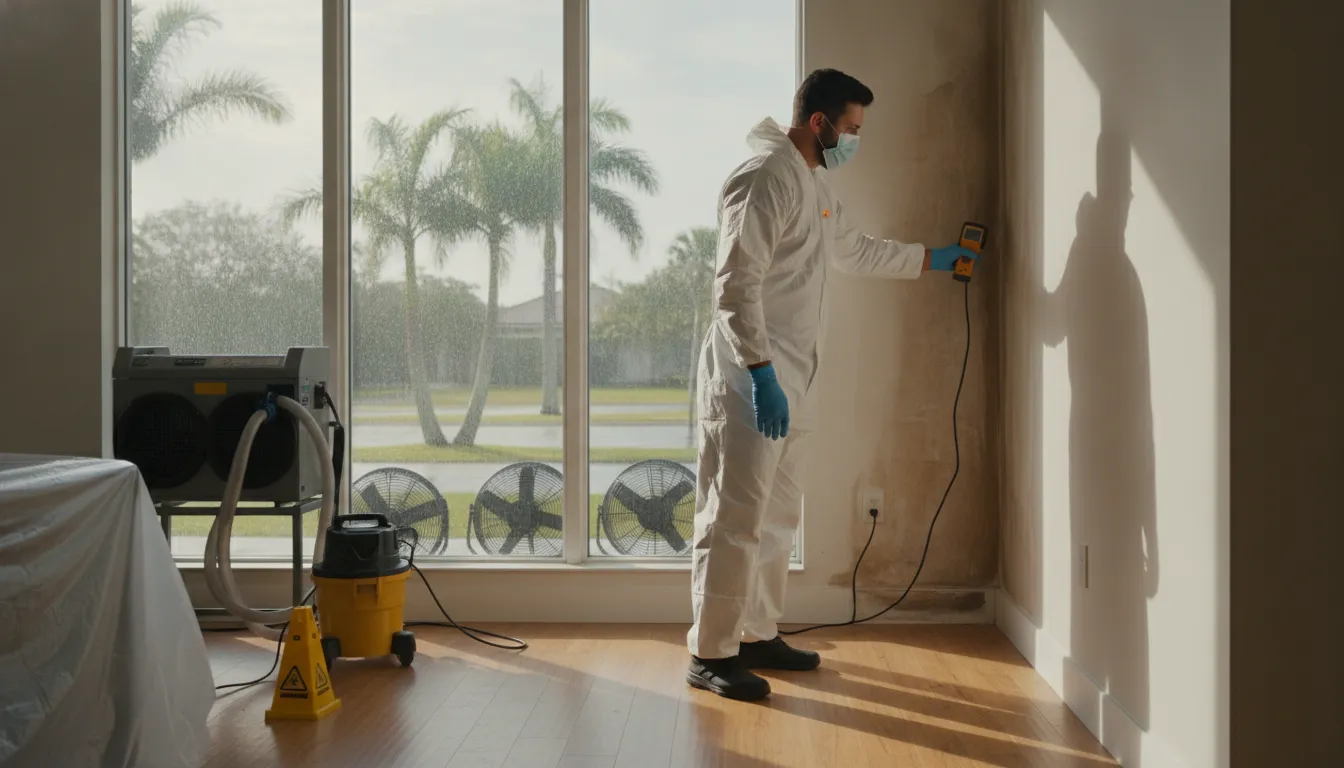
Where there’s a hurricane, there’s almost always water. Whether it’s from storm surge, heavy rains, or a roof leak, water can cause immense damage to your home’s structure and contents. The goal of water and flood damage restoration is to extract all standing water, thoroughly dry out the affected areas, and sanitize everything to prevent future problems. Professionals use specialized equipment like industrial-grade dehumidifiers and air movers to remove moisture you can’t see. This process is critical for salvaging building materials and personal belongings, and for getting your home back to a safe, dry state.
Mold Remediation
After water damage, mold is the next major concern. It can start to grow in as little as 24 to 48 hours in damp, humid conditions. Floodwater is especially problematic because it can carry contaminants like sewage and chemicals, creating a hazardous environment for mold to thrive. According to Pinellas County guidance, you should clean and disinfect all flood-affected areas promptly. If you see or smell mold, professional mold remediation is essential. Experts can safely contain and remove the mold, clean the air, and address the moisture source to keep it from returning, protecting your property and your family’s health.
Fire and Smoke Damage Restoration
While not as common as water damage, fires are a real risk during and after a hurricane. Downed power lines, electrical shorts in flooded systems, or improper generator use can all lead to a fire. The aftermath leaves behind not just structural damage but also pervasive smoke and soot. Fire and smoke damage restoration is a specialized service focused on cleaning soot from all surfaces, removing the persistent smoky odor, and repairing any part of the structure that was burned. Professionals have the right techniques and products to restore your home and air quality, making it feel like yours again.
Common Mistakes to Avoid After a Hurricane
The aftermath of a hurricane is chaotic, and it’s easy to feel overwhelmed. In the rush to get your life and home back to normal, you might make decisions that could cause more trouble down the road. Knowing what not to do is just as important as knowing what to do. Many homeowners in Pinellas County unfortunately learn this the hard way, facing insurance delays, financial loss, or shoddy repair work from contractors who sweep into town after a storm. By being aware of these common missteps, you can protect your property, your finances, and your peace of mind.
We’ll walk through some of the most frequent mistakes we see homeowners make and give you clear, actionable steps to avoid them. Think of this as your guide to making smart, steady choices when everything feels urgent. From handling your insurance claim correctly to choosing the right team for your disaster recovery services, a little bit of knowledge now can save you a lot of headaches later. Taking a moment to pause and follow the right process ensures your recovery is as smooth and complete as possible, setting you up for a successful restoration instead of a prolonged struggle.
Waiting to File Your Insurance Claim
After a storm, one of the first calls you should make is to your insurance agent. It’s tempting to want to start cleaning up immediately, but you need to file your claim as soon as possible. Insurance policies often have strict deadlines for filing, and waiting too long can jeopardize your coverage. It’s critical to speak with your agent before you begin any major repairs. They will guide you on the next steps and what your policy covers. Getting the process started quickly helps you get the financial support you need without unnecessary delays.
Throwing Away Damaged Items Too Soon
Hold off on hauling those soggy carpets and ruined belongings to the curb. Before you clean up or throw anything away, document everything. Take detailed photos and videos of all the damage from multiple angles. This visual evidence is essential for backing up your insurance claim and proving the extent of your loss. Your insurance adjuster will need to see the damage for themselves, so don’t dispose of major items until they’ve had a chance to assess them. This simple step can make a huge difference in the amount your insurance company will cover for your water damage restoration.
Starting Repairs Without the Right Permits
You’re eager to rebuild, but jumping into repairs without the proper paperwork can create major problems. Most structural repairs, electrical work, and roofing jobs require permits from Pinellas County. Skipping this step can lead to fines, legal trouble, and having to tear out completed work. It can also cause issues when you try to sell your home later. Before any work begins, make sure you or your contractor obtain the right permits. It’s a crucial part of ensuring your repairs are safe, up to code, and officially documented.
Signing an Assignment of Benefits (AOB) Blindly
Be wary of any contractor who pressures you to sign a contract called an “Assignment of Benefits,” or AOB, right away. An AOB transfers the rights of your insurance policy to the contractor, allowing them to bill your insurance company directly. While it might sound convenient, it can lead to you losing control over your claim. Some contractors may inflate costs or perform unnecessary work, and you could be left on the hook for any amount the insurance company refuses to pay. Always read contracts carefully and never sign an AOB just to get repairs started quickly.
Hiring an Unlicensed or Out-of-Town Contractor
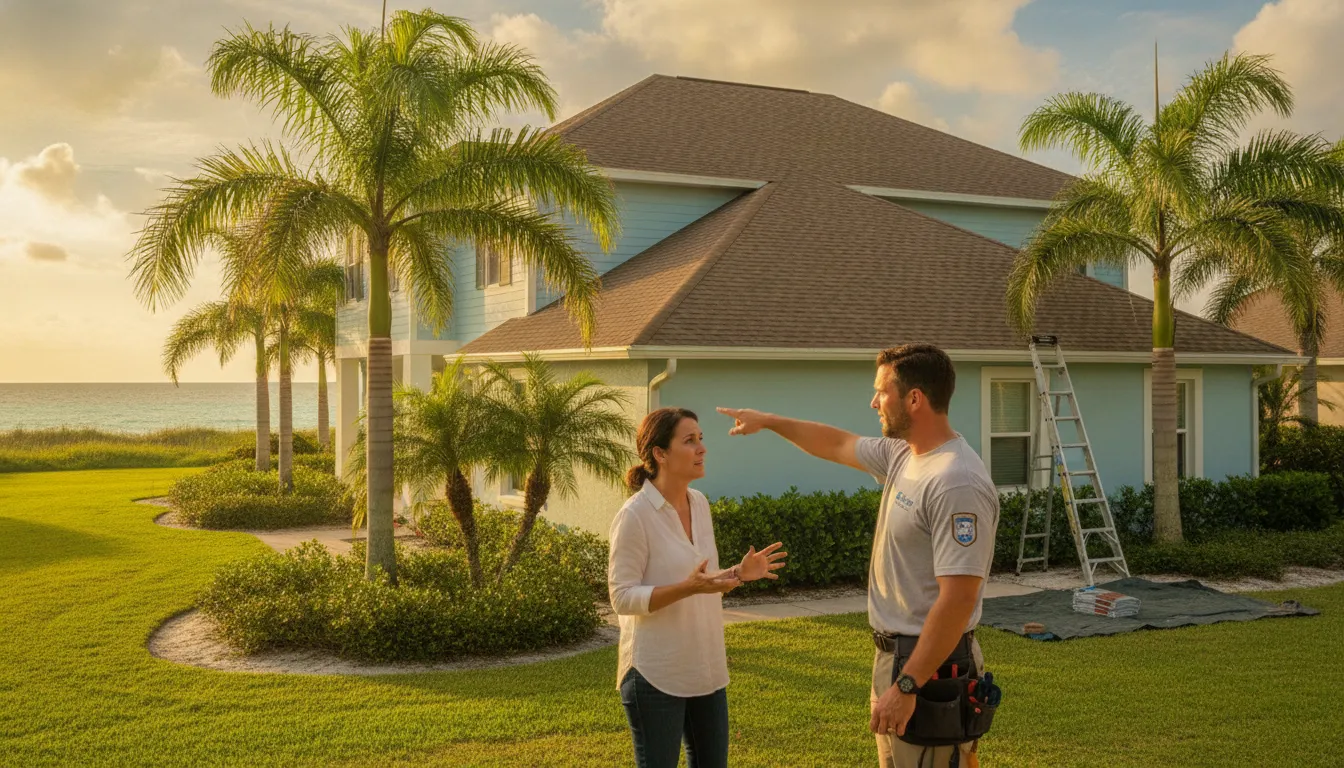
After a hurricane, “storm chaser” contractors often flood the area, promising fast, cheap repairs. Hiring an unlicensed or unvetted contractor is a huge risk that can lead to poor-quality work, unfinished jobs, and even fraud. Always hire a licensed, insured, and local contractor. You can verify a contractor’s credentials on the Pinellas County Construction Licensing Board website. A local company has a reputation to uphold in the community and will be here long after the storm passes. When you’re ready for help, contact a trusted local expert who understands Pinellas County’s building codes and regulations.
Finding Financial Help After a Hurricane
Recovering from a hurricane is not just about cleaning up; it’s also about figuring out the finances. The cost of repairs can be overwhelming, but you don’t have to face it alone. There are several layers of financial support available to Pinellas County residents, from local grants to federal aid and insurance claims. Understanding your options is the first step toward getting the funds you need to rebuild your home and your life. It can feel like a huge task, but breaking it down into manageable steps makes it much less intimidating.
The key is to be proactive and organized. Different programs have different requirements and deadlines, so it’s important to act quickly. Whether you’re dealing with a damaged roof, flooding, or other structural issues, there are resources designed to help you through the process. We’ll walk through the main sources of financial assistance so you can find the support that’s right for your situation. Remember, a professional restoration company can also help you with the process and provide the necessary documentation for claims. Having an expert on your side can make a world of difference when you’re trying to get your life back to normal.
Local Pinellas County Aid
Pinellas County often steps up with its own support systems for residents. The People First Hurricane Recovery Programs are a great example, offering financial help to homeowners, renters, and even landlords impacted by storms. These initiatives are designed to help you with everything from essential repairs to maintaining housing stability if your home is temporarily unlivable. The goal is to get you back on your feet safely and affordably. Be sure to check the Pinellas County official website after a storm for the most current information on available grants and assistance programs.
State and Federal Disaster Relief (FEMA)
After a major hurricane, a federal disaster declaration often opens the door to assistance from the Federal Emergency Management Agency (FEMA). This aid can cover expenses that your insurance doesn’t, such as temporary housing, essential home repairs, and other serious disaster-related needs. A common misconception is that you can’t receive local aid if you get help from FEMA. In Pinellas County, you can often access local programs even after receiving FEMA or insurance funds, especially if you have unmet needs. Think of these programs as layers of support that can work together.
Homeowner Assistance Programs
Beyond immediate relief, Pinellas County provides several programs specifically for homeowners. These can include reimbursement for repairs you’ve already paid for, funds for major rehabilitation or reconstruction, and even assistance for landlords who provide affordable housing. These programs are crucial for long-term recovery. For example, the Disaster Relief Reimbursement program can help you recoup costs for things like tarping your roof or removing debris. To get started, you’ll need to understand the requirements for rebuilding after storm damage and gather all your receipts and documentation.
Tips for a Successful Insurance Claim
Your homeowner’s insurance is your first line of defense. For a smooth claims process, contact your insurance agent as soon as it’s safe to do so. It’s critical to file your claim promptly, as all policies have time limits. Before you begin any major work, talk to your agent and a trusted contractor. A professional restoration team can provide a detailed damage assessment and estimate, which is exactly what your insurance company needs. When you contact us, we can help document the full extent of the damage, ensuring your claim reflects the true cost of restoration.
How to Hire a Reputable Restoration Contractor
After a hurricane, your priority is getting your home back to normal as quickly as possible. Unfortunately, this urgency can make you a target for unqualified or dishonest contractors. Taking a little time to find a reputable professional will save you from major headaches, shoddy repairs, and financial loss down the road. A trustworthy contractor will not only fix the damage but also guide you through the process with clear communication and respect for your property. Here’s how to find a reliable restoration expert in Pinellas County.
Verify Their License and Insurance
This is the most critical step you can take. A licensed contractor has met state and local requirements, which means they have the right knowledge and training for the job. Pinellas County officials recommend that you only hire licensed contractors. You can easily check a contractor’s license on the Pinellas County Construction Licensing Board (PCCLB) website before you even speak with them. Also, ask for proof of insurance, including general liability and worker’s compensation. This protects you from being held responsible if a worker is injured on your property or if their work causes additional damage to your home. A professional company will have this information ready and will be happy to share it.
Watch for These Contractor Red Flags
Be on the lookout for warning signs that a contractor might not be trustworthy. A major red flag is being pressured to sign an “Assignment of Benefits” (AOB) contract. This document gives the contractor control over your insurance claim, which can lead to serious problems. Pinellas County specifically warns homeowners not to sign an AOB just to get work started. Other red flags include contractors who demand a large cash deposit upfront, use high-pressure tactics, or show up uninvited after a storm. Be wary of anyone who doesn’t have a permanent local address or offers a deal that seems too good to be true. It’s always better to be cautious and work with an established, transparent company.
Why Hiring a Local Pinellas County Expert Matters
Choosing a contractor with deep roots in the community offers peace of mind and practical advantages. Local experts understand Pinellas County’s unique building codes, permitting processes, and the specific challenges our coastal weather presents. They have established relationships with local suppliers, which can help get materials faster and keep your project on schedule. A local company is also accountable; their reputation is built right here in our community. They’ll be here long after the work is done if you have any questions or concerns. When you’re facing an emergency, a local team can provide the swift response you need for disaster recovery services and help you get back on your feet.
Related Articles
- Hurricane Water Damage: 5 Emergency Steps to Save Homes
- Pinellas County Water Damage Restoration: What’s the Timeline?
Frequently Asked questions
What is the most important first step if my home is damaged? After you confirm your family is safe and you have official clearance to be at your property, your first job is to become a detective. Before you move or clean a single thing, take photos and videos of all the damage. This documentation is your most powerful tool for your insurance claim. Once you have a thorough record, your next call should be to your insurance agent to get the claims process started.
Should I call my insurance company first, or find a contractor? Always call your insurance company first. Your policy is a contract, and your insurer needs to be notified right away to start your claim. They will explain your coverage and tell you what to do next. After that, you can find a reputable contractor who can provide a detailed assessment and estimate for the insurance adjuster. A good contractor will work with you and your insurer throughout the process.
If my home is declared “substantially damaged,” does that mean it has to be torn down? Not necessarily. A “substantial damage” designation in Pinellas County means the cost to repair your home is 50% or more of its pre-storm market value. Instead of demolition, it usually means you must rebuild the home to meet current, stronger building codes and flood elevation requirements. The goal is to make your home safer and more resilient for future storms, so the focus is on rebuilding correctly, not tearing it down.
How do I pay for repairs while waiting for insurance money? This is a common concern. First, talk to your insurance agent about what your policy covers for immediate, temporary repairs, like putting a tarp on your roof to prevent more water from getting in. Many professional restoration companies are experienced in working with insurance claims and can often begin work after your claim is approved, billing your insurer directly. You should also look into local and federal aid programs, which can help cover costs that insurance might not.
I see some mold starting to grow. Can I just clean it myself? It’s best to leave mold to the professionals, especially after a flood. Floodwater contains contaminants that make mold growth particularly hazardous. Simply spraying bleach on a surface often isn’t enough to kill the roots, and you can accidentally spread spores, making the problem worse. A professional mold remediation team has the right equipment and training to safely contain and remove the mold completely, protecting your home and your health.