Does Homeowners Insurance Cover Roof Leaks in Florida?
If water is dripping from the ceiling after a Florida storm, one of the first questions is simple: does homeowners insurance cover roof leaks Florida homeowners are dealing with right now? The honest answer is that it depends on what caused the leak, how quickly you responded, and what your specific policy says. A leak from sudden storm damage may be treated very differently from a leak caused by age, missed maintenance, or a long-term problem.
Need a roof leak checked before it turns into interior water damage? Schedule a professional assessment through Go Time Roofing and Restoration’s roofing services.
This guide explains the common covered and excluded scenarios in plain language. It is not legal advice, and it cannot replace your insurance policy or your carrier’s decision. It can help you protect your home, document the damage, and know when to bring in a licensed roofing professional for an inspection.
The Short Answer: Coverage Depends on the Cause
Most homeowners insurance policies focus on sudden and accidental damage. If a covered event damages the roof and that damage allows water into the home, the resulting leak may be covered. If the leak develops slowly because shingles are worn out, flashing has failed over time, or maintenance was delayed, coverage is less likely.
In Florida, this distinction matters because roofs face strong sun, heavy rain, wind, tropical storms, salt air in coastal areas, and hurricane season. A roof can look fine from the driveway while still having lifted shingles, cracked seals, loose flashing, or small openings around vents. The insurance question is usually not just, “Is there a leak?” It is, “What caused the leak, and can that cause be documented?”
That is why photos, dates, temporary mitigation, and a professional roof inspection are so important. They help create a clear timeline instead of leaving the cause open to guesswork.
Roof Leak Situations Insurance May Cover
Every policy is different, but Florida homeowners insurance may cover roof leaks when the leak is tied to a covered, sudden event. These are some of the most common examples.
Wind or storm damage
High winds can lift shingles, loosen ridge caps, damage flashing, or tear materials away from roof penetrations. If rain enters through storm-created openings, the roof leak and related interior damage may be part of a covered claim. This is especially relevant after a named storm, severe thunderstorm, or wind event in Pinellas County.
If you suspect storm damage, do not rely only on what you can see from the ground. Review the steps in Go Time’s hurricane roof inspection checklist and have the roof checked safely by a professional.
Hail impact
Hail can bruise shingles, knock granules loose, crack tiles, dent vents, and weaken roof surfaces. The leak may not show up immediately. Water can enter later through damaged materials, especially during repeated rain. Insurance coverage often depends on showing that hail caused the damage and that the roof was not already failing from age or neglect.
For a deeper look at what hail can do, see Go Time’s guide to hail damage roof insurance steps.
Falling objects
A tree limb, blown debris, or another falling object can puncture or damage the roof during a storm. If the opening allows water inside, the claim may include roof repairs and covered interior damage. Take photos of the object, the impact point, and any water stains before cleanup if it is safe to do so.
Fire, lightning, or a related covered event
If fire, lightning, or a covered event damages the roof and water enters afterward, coverage may apply based on the policy. These claims can involve roof repair, smoke or fire cleanup, and interior restoration. Because multiple types of damage may be involved, documentation should be thorough from the beginning.
Water intrusion after a covered roof opening
Some policies may cover the interior damage caused by rain entering through an opening created by a covered event. The key phrase is usually the covered event. A storm-created hole is different from a small leak around old flashing that has been getting worse for months.
Roof Leak Situations Insurance Often Excludes
Insurers commonly deny roof leak claims when the damage appears gradual, preventable, or unrelated to a covered cause. These exclusions are why fast action and clear records matter.
Wear and tear
Roofs do not last forever, especially in Florida heat and humidity. Shingles can curl, tiles can crack, sealants can dry out, and fasteners can loosen over time. If the roof leak is traced to normal aging, the insurance company may treat it as a maintenance issue instead of a covered loss.
If you are unsure whether your roof is nearing the end of its service life, Go Time’s guide on asphalt shingle roof lifespan in Florida explains the local factors that shorten roof life.
Deferred maintenance
Missing shingles, clogged gutters, cracked flashing, old sealant, and previous leaks can all create problems. If records show the issue existed before the reported damage, or if the home had visible roof problems that were not addressed, coverage may be limited or denied.
Long-term leaks
A stain that has slowly spread over weeks or months is harder to connect to one sudden event. Insurance companies may look for signs of repeated water intrusion, old staining, rot, mold, or prior repairs. If the leak has been active for a while, document the current condition and get professional guidance quickly.
Faulty workmanship or defective materials
If a roof leaks because of improper installation, poor repairs, or defective products, the claim may be handled differently. Some homeowners may need to look at contractor warranties, manufacturer warranties, or separate coverage options. Your policy language controls what applies.
Flooding or rising water
Homeowners insurance and flood insurance are not the same thing. If water enters because of rising floodwater, storm surge, or exterior flooding, that is usually a flood insurance issue. If water enters through a storm-damaged roof opening, that may be reviewed under homeowners insurance. The path the water took matters.
What to Do Immediately When You Find a Roof Leak
A roof leak is stressful, but your first steps can protect both your home and your claim. Focus on safety, mitigation, and documentation.
1. Stay safe first
Do not climb onto a wet roof, a steep roof, or a roof that may be structurally damaged. Avoid standing water near electrical outlets, light fixtures, or ceiling fans. If you see sagging drywall, active electrical hazards, or major ceiling damage, keep people away from the area and call for help.
2. Control the water inside
Place buckets or containers under drips. Move furniture, electronics, rugs, and valuables away from the wet area. If water is collecting in a sagging ceiling bubble, a restoration professional can help manage it safely. The goal is to prevent the damage from spreading while you wait for roof repair.
3. Take photos and videos before cleanup
Use your phone to capture the ceiling leak, stained drywall, wet flooring, damaged belongings, and any visible roof damage from the ground. Take wide photos to show the room, then close-ups to show the damage. If the leak started after a storm, record the date and time.
4. Make temporary mitigation reasonable
Most policies require homeowners to take reasonable steps to prevent further damage. That can mean catching water, moving belongings, tarping only when it can be done safely, and calling a professional for emergency roof leak help. Keep receipts for any temporary repairs, tarps, fans, or cleanup supplies.
5. Contact your insurance company promptly
Report the issue according to your policy instructions. Ask what documentation they need, whether an adjuster will inspect the damage, and what temporary repairs are allowed before the inspection. Do not throw away damaged materials unless your insurer tells you it is okay or you have documented them thoroughly.
If you need emergency help controlling roof and water damage, review Go Time’s roof leak repair steps or contact the team now.
How a Professional Roof Inspection Supports Your Claim
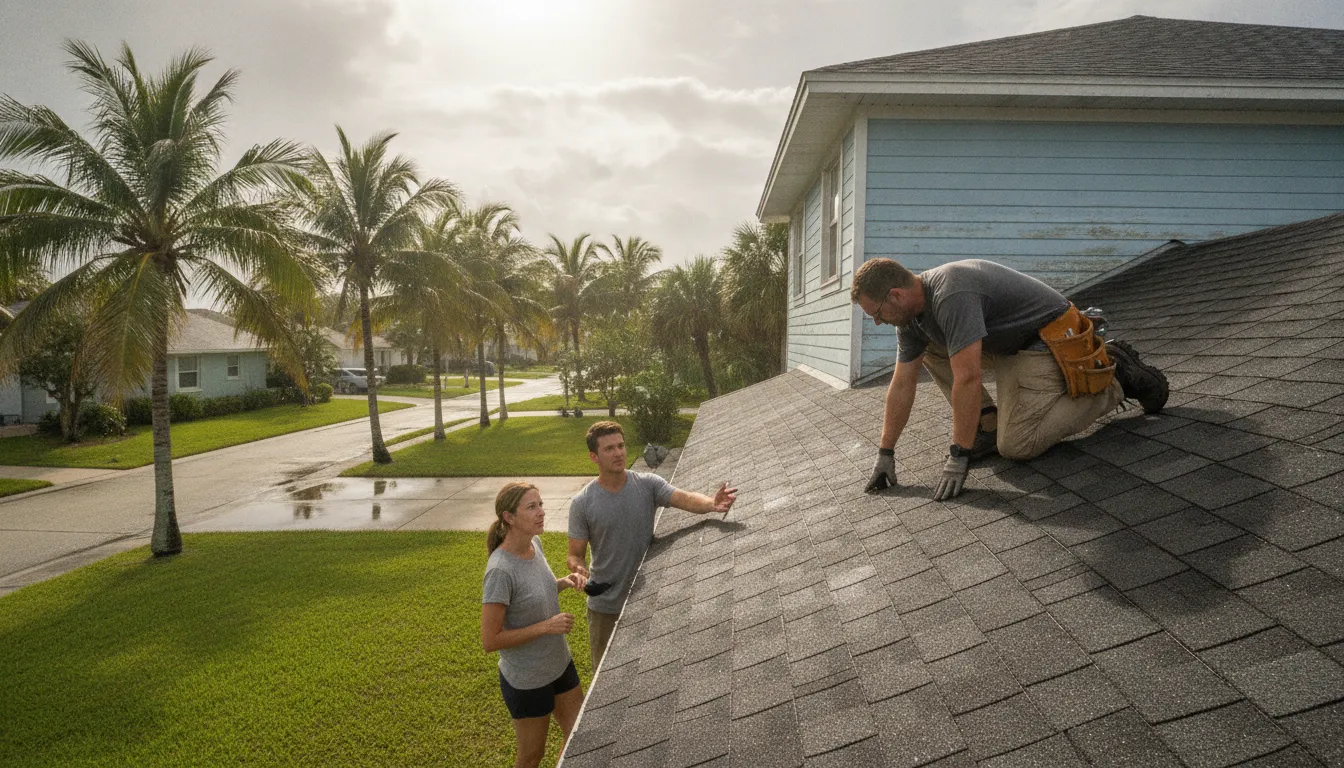
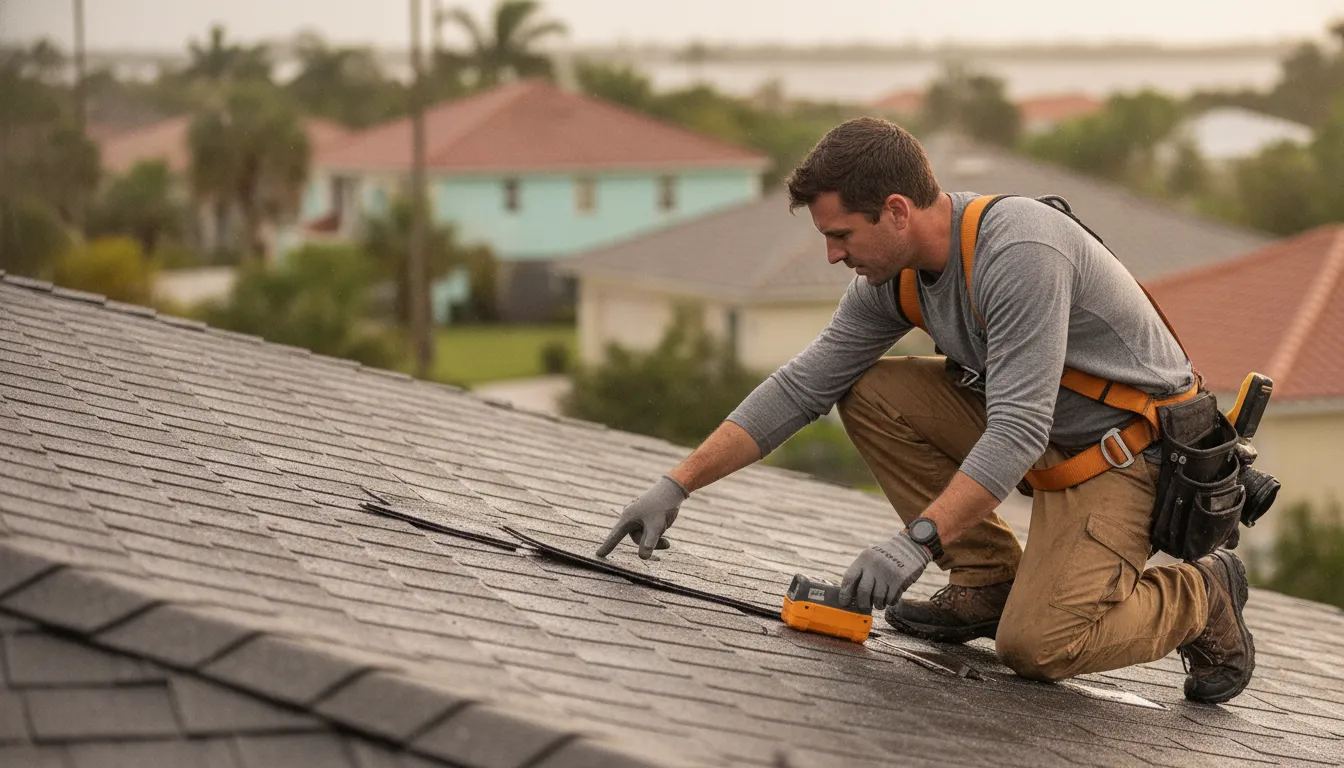
A professional roof inspection does more than identify the leak. It helps connect the visible damage to a likely cause. That can be critical when the insurance company is deciding whether the roof leak came from a covered event or from long-term wear.
A strong inspection may include:
- Photos of damaged shingles, tiles, flashing, vents, ridge caps, valleys, and roof penetrations
- Notes on whether the damage appears sudden or gradual
- Moisture readings or signs of interior water migration
- Repair recommendations that separate temporary mitigation from permanent work
- An estimate that identifies the affected areas clearly
Go Time Roofing and Restoration is a licensed and insured local contractor serving St. Petersburg and Pinellas County. The company handles roofing and restoration under one roof, which is helpful when a roof leak also causes drywall damage, moisture problems, or mold concerns.
What Insurance Documentation Should You Keep?
Good documentation can make the claims process more organized. It also helps you remember what happened when emotions are high and several people are involved.
| Documentation | Why It Helps |
|---|---|
| Photos and videos | Shows the condition before cleanup or repairs |
| Storm date and time | Helps connect damage to a specific weather event |
| Temporary repair receipts | Shows reasonable mitigation efforts |
| Inspection report | Documents the likely source and scope of damage |
| Insurance emails and claim notes | Creates a clear communication record |
| Prior maintenance records | May help show the roof was cared for before the leak |
Keep copies of everything in one folder. If you speak with your insurance company by phone, write down the date, the representative’s name, and the main points discussed.
Florida Roof Leak Claims: Common Mistakes to Avoid
Small mistakes can create big problems during a roof leak claim. Avoid these common issues.
Waiting too long to act
Delays can make damage worse and make the cause harder to prove. If a storm damaged the roof, waiting weeks to report the leak may give the insurer a reason to question the timeline.
Cleaning everything before photos
You should prevent further damage, but document first when it is safe. Photos of wet floors, stained ceilings, damaged drywall, and roof debris can be important later.
Assuming every leak is covered
Coverage depends on your policy and the cause of loss. A sudden storm leak and a ten-year maintenance issue are not treated the same way.
Signing unclear paperwork
Read documents before signing. If you do not understand an insurance form, contractor agreement, or repair authorization, ask questions. For legal coverage disputes, speak with a qualified insurance professional or attorney.
Ignoring water damage after the roof is patched
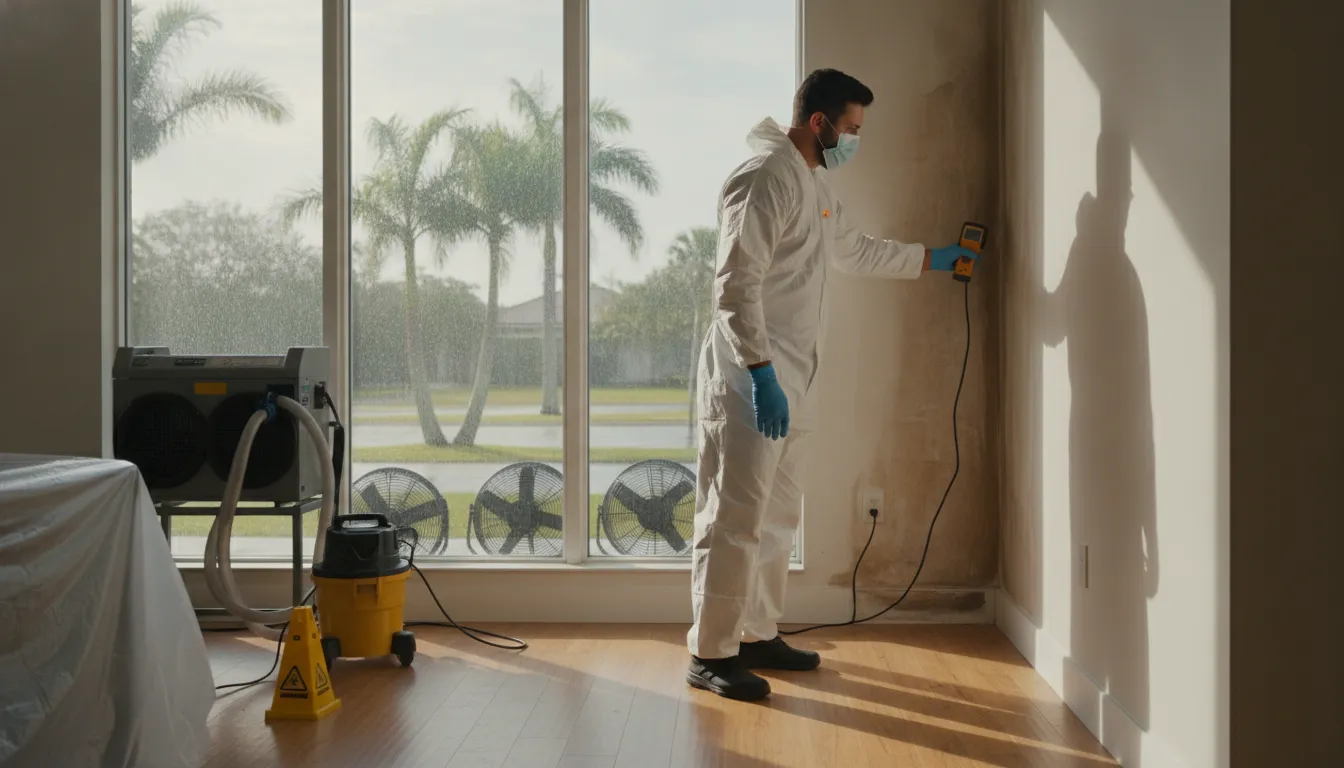
Stopping the roof leak is only part of the job. Wet insulation, drywall, baseboards, and flooring can hold moisture. In Florida humidity, moisture problems can turn into mold concerns quickly. Go Time also provides water damage restoration when a roof leak affects the inside of the home.
When Should You Call a Roofer Before Filing a Claim?
You do not always need to wait for the insurance company before calling a roofer. In many cases, it is smart to get professional eyes on the roof quickly, especially if water is actively entering the home.
Call a roofer when:
- The leak started after heavy wind, hail, or a tropical storm
- You see missing shingles, cracked tiles, or displaced flashing
- Water is coming through a ceiling, light fixture, or attic area
- You need temporary tarping or emergency mitigation
- You want documentation before speaking with the adjuster
- You are unsure whether the leak is roof-related or plumbing-related
A roofer can inspect, document, and explain the visible damage. Your insurance company still makes the coverage decision, but a clear inspection gives everyone better information.
For a local roof leak assessment in St. Petersburg or Pinellas County, request help through Go Time’s contact page.
FAQ: Homeowners Insurance and Roof Leaks in Florida
Does homeowners insurance cover roof leaks Florida homeowners find after a storm?
It may, if the leak was caused by a covered event such as wind, hail, or a falling object. The claim depends on your policy, the cause of the leak, and the documentation available.
Will insurance cover an old roof that starts leaking?
Often, leaks caused by age, wear and tear, or deferred maintenance are excluded. If an old roof is damaged by a sudden covered event, the claim may still be reviewed, but the age and condition of the roof can affect the outcome.
Should I fix the leak before the insurance adjuster comes?
You should take reasonable steps to prevent further damage, such as catching water, moving belongings, and arranging safe temporary mitigation. Take photos first when possible, keep receipts, and ask your insurer what repairs are allowed before inspection.
What if the roof leak causes mold?
Mold coverage varies by policy and by cause. If mold develops from a covered sudden leak, there may be limited coverage. If mold comes from a long-term leak or humidity problem, coverage is less likely. Fast drying and documentation are important.
Can Go Time help with insurance paperwork?
Go Time can inspect the damage, provide photos, document visible roof and water damage, and prepare repair information. The company does not decide coverage and this article is not legal advice, but strong documentation can help you communicate clearly with your insurance carrier.
Final Takeaway
So, does homeowners insurance cover roof leaks Florida residents face after storms? Sometimes. The strongest claims usually involve sudden, documented damage and prompt action. The weakest claims usually involve long-term leaks, old materials, and missing maintenance records.
If you are dealing with a leak now, do three things today: protect the inside of your home, document everything, and schedule a professional roof inspection. Go Time Roofing and Restoration can help identify the source of the leak, provide repair recommendations, and address related water damage before it spreads.
Ready for help? Visit Go Time Roofing and Restoration’s roofing services or contact the team to request an assessment.