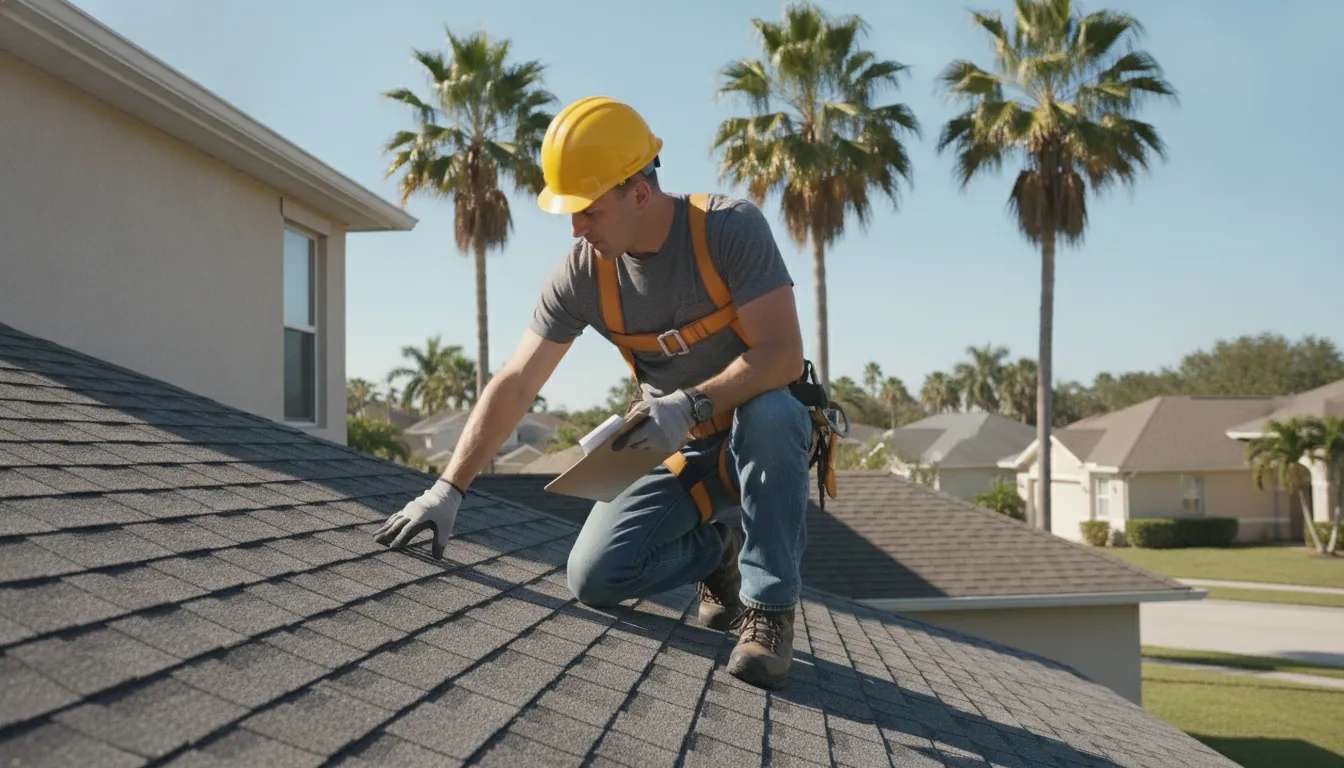
Florida roofs endure intense sun, high humidity, algae growth, and sudden storm exposure long before visible damage appears. In Pinellas County, a routine inspection can identify moisture entry, shingle degradation, ventilation concerns, and early weaknesses while they are still easier to address.
Schedule your free roof inspection in St. Petersburg today. Call (727) 361-6905.
A roof inspection St. Petersburg homeowners schedule before hurricane season can document the roof’s condition, reveal problems that may affect insurance coverage, and help prioritize maintenance. Once a roof is more than 10 years old, an annual visual inspection is a practical baseline, and most inspections take about 45 to 90 minutes.
That preventive step becomes especially valuable after a major rain event or before seasonal storms arrive. Understanding what an inspector checks, how findings are documented, and when to schedule the visit helps homeowners protect both the roof system and the property beneath it.
Roof Inspection St. Petersburg: Why Regular Roof Inspections Are Essential for St. Petersburg Homeowners
Regular roof inspections help St. Petersburg homeowners identify moisture intrusion, storm damage, and aging materials before they become expensive repairs. A timely roof inspection in St. Petersburg can also support insurance documentation and help clarify whether an older roof remains insurable.
Pinellas County roofs face a demanding combination of heat, humidity, intense sun, wind, and heavy rainfall. That climate can accelerate shingle wear, loosen flashing, expose small openings, and encourage algae growth. Damage is not always visible from the ground, especially when it develops around valleys, vents, penetrations, or the roof edge. A trained inspector can evaluate those vulnerable areas and explain which findings require immediate attention.
Older roofs create insurance and maintenance concerns
Roof age matters in Florida for more than routine maintenance. Under Florida law, a roof older than 15 years may require a certified inspection documenting its remaining useful life for the home to remain insurable. The exact documentation and underwriting requirements can vary by carrier. So homeowners should request an inspection report that clearly records the roof’s condition, observed deficiencies, and estimated remaining life.
Once a roof passes the 10-year mark, annual visual inspections are a practical safeguard. This does not mean every older roof needs replacement. It means that regular documentation gives homeowners a clearer basis for deciding whether to repair, maintain, or budget for a replacement. Reviewing the expected shingle roof lifespan in Florida can also help set realistic expectations for an aging asphalt roof.
Storms can expose problems that were already developing
Hurricane Milton brought approximately 18 inches of rain to St. Petersburg, illustrating how quickly a storm can test a roof system. Heavy rain may reveal a weak flashing detail or a small seal failure that had not produced an obvious interior stain. Wind can lift or shift roofing materials while leaving damage difficult to spot from the yard.
An inspection after severe weather is useful even when there is no active leak. It creates a record of visible conditions, identifies areas that need monitoring, and can provide supporting documentation if an insurance claim becomes necessary. Homeowners can review the company’s roofing services in St. Petersburg to understand the repair and maintenance options available after an evaluation.
What a Professional Roof Inspection in St. Petersburg Covers
A professional inspection looks beyond visible shingles to evaluate how the entire roof system is handling St. Petersburg’s heat, humidity, heavy rain, and wind. The result should explain current defects, likely maintenance needs, and risks that may become expensive if they remain hidden.
Four main inspection types serve different situations, each with its own purpose and timing:
| Inspection Type | Best Time | Primary Purpose | Who Needs It |
|---|---|---|---|
| Pre-purchase. | Before closing. | Evaluate remaining life and repair needs. | Home buyers. |
| Insurance / Storm. | After wind or rain event. | Document damage for insurance claim. | Homeowners with recent storm exposure. |
| Wind Mitigation. | During policy review or renewal. | Identify premium-reducing features. | Homeowners with older policies. |
| Routine Maintenance. | Annual or before storm season. | Prevent minor issues from becoming leaks. | All homeowners, especially roofs over 10 years. |
Four inspection types serve different needs
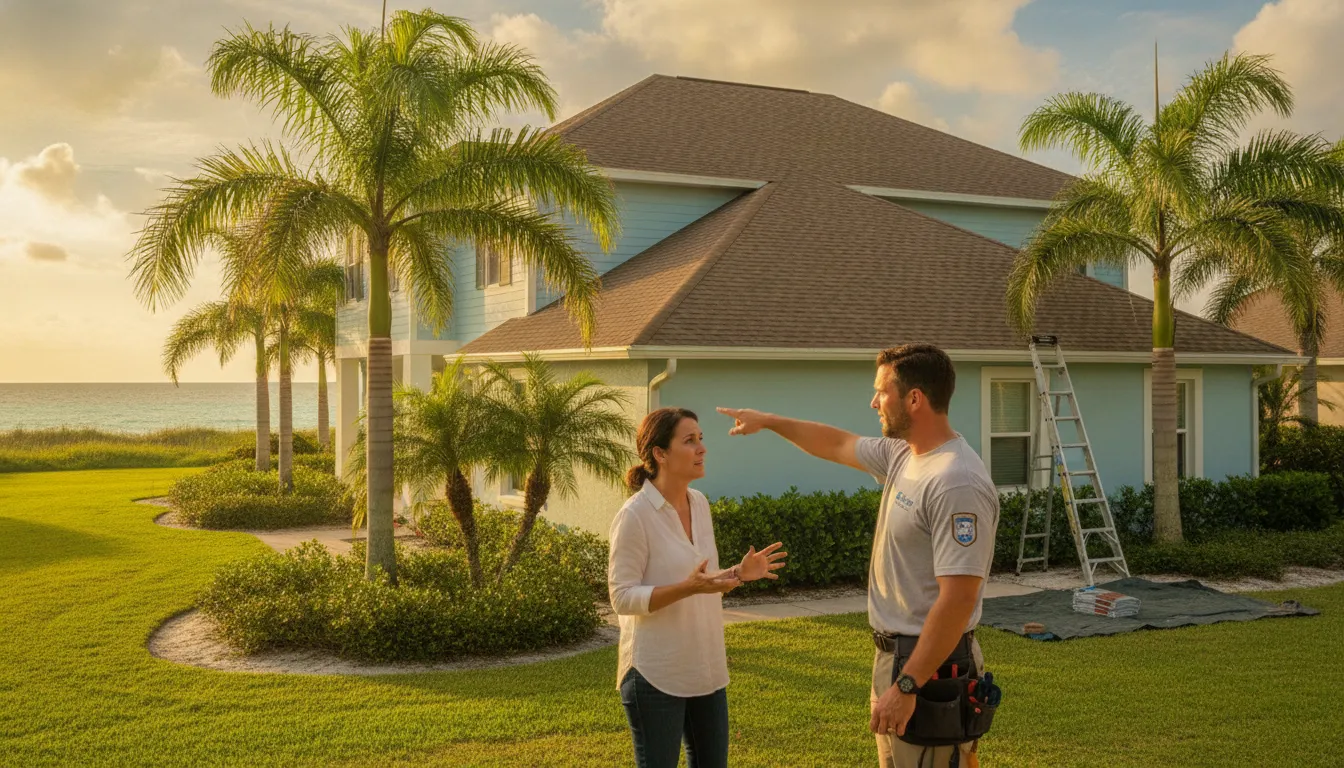
Pre-purchase inspections help buyers understand the roof’s condition before closing. The inspector documents visible wear, previous repairs, remaining service concerns, and conditions that may affect ownership costs. A buyer can then request repairs, adjust expectations, or plan maintenance with better information.
Insurance and storm inspections focus on damage that may follow high winds, driving rain, or flying debris. The inspection records displaced or missing shingles, cracked tiles, damaged flashing, and signs of water entry. For storm-related concerns, use the more focused hurricane roof inspection checklist as a companion resource.
Wind mitigation inspections document roof-to-wall connections, roof shape, openings, and other construction features that can affect wind resistance. This is different from a general condition inspection because its findings are prepared for insurance documentation. Ask your carrier which form and qualifications it requires before scheduling.
Routine maintenance inspections establish a baseline before minor issues become leaks. They are especially useful for older roofs and properties exposed to persistent coastal moisture. The findings can help prioritize repairs, cleaning, ventilation work, or replacement planning without turning every issue into an emergency.
What the inspector examines
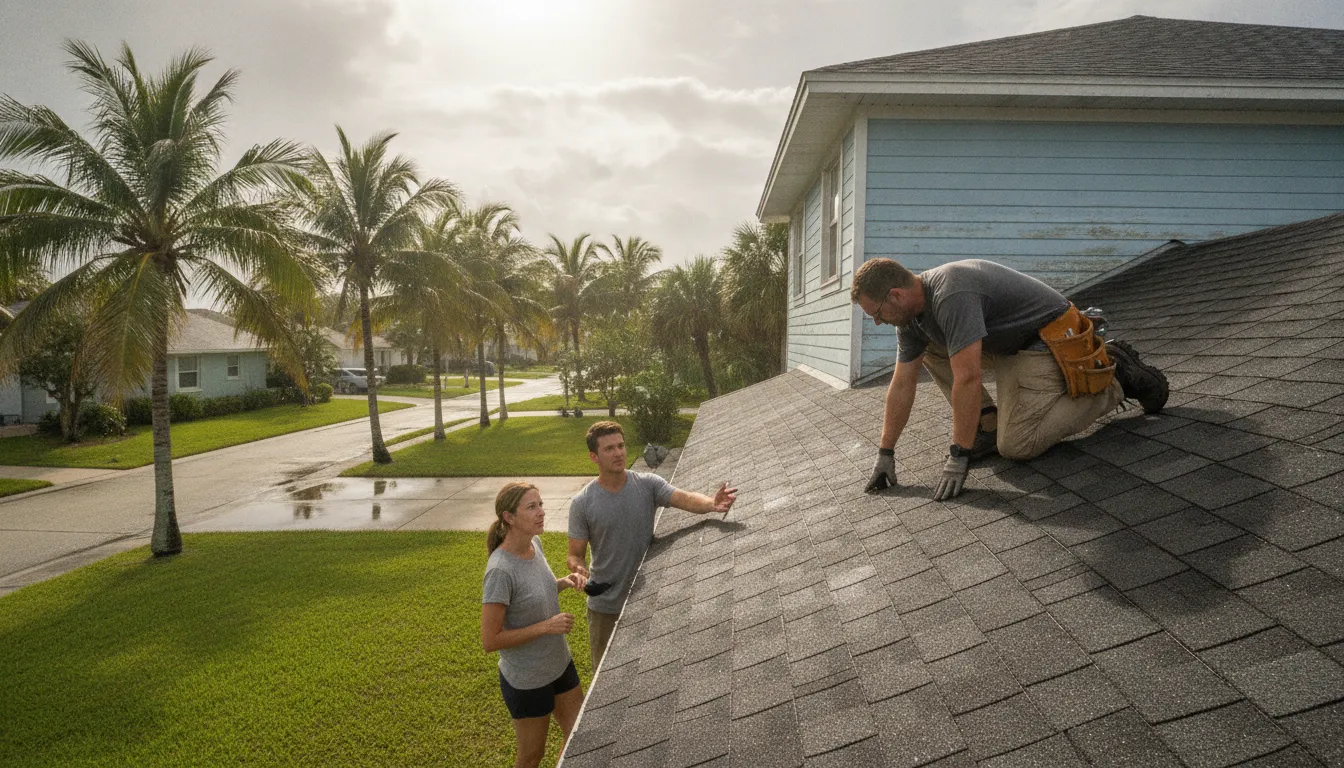
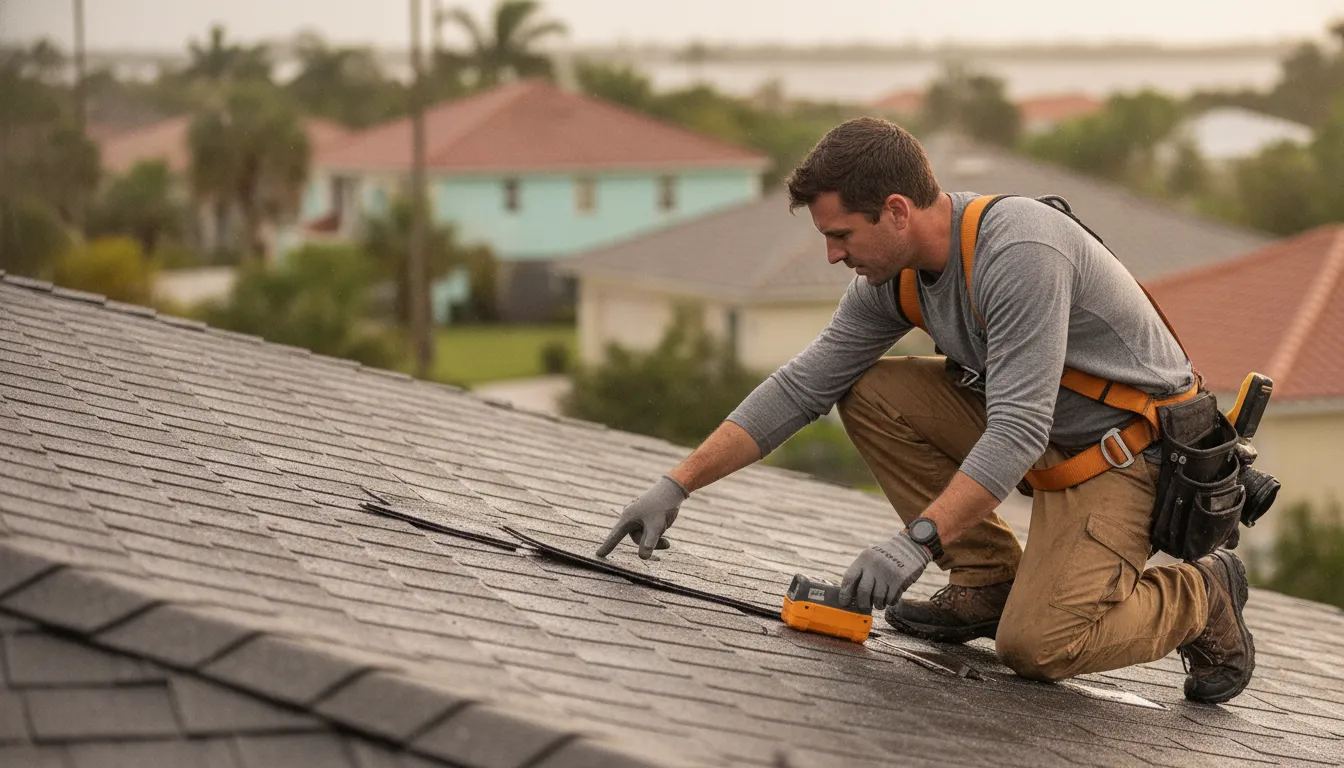
The inspection typically covers shingles or tile, underlayment where accessible, flashing around roof penetrations, valleys, ridge areas, gutters, and visible drainage paths. Tile systems may need specialized attention to cracked or slipped tiles, so homeowners can reference tile roof repair in St. Petersburg when a tile roof needs follow-up work.
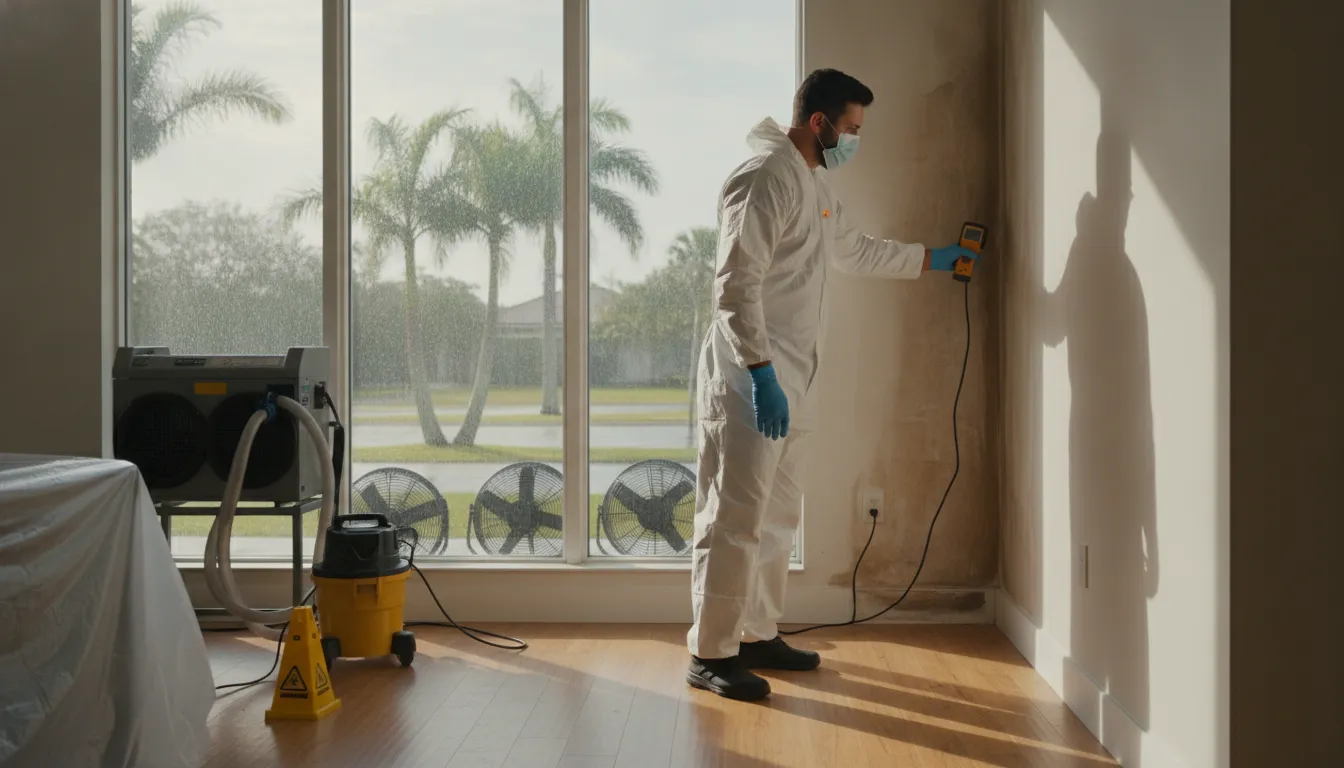
Inside the home, the inspector checks the attic for moisture staining, daylight, damaged decking, insulation concerns, and ventilation performance. They also review soffit and fascia for rot, separation, insect damage, or openings that can allow water and pests into the roof edge. Safe access matters, and some concealed areas may be noted as inaccessible rather than guessed at.
What the report should include
A thorough report typically runs 12 to 20 pages and includes slope-by-slope photographs, written observations, and a summary of recommended next steps. Look for clear documentation that distinguishes active damage from normal aging, identifies urgent concerns, and explains which repairs should be handled first. That detail gives homeowners, buyers, and insurance professionals a usable record instead of a vague pass-or-fail opinion.
How Often Should You Schedule a Roof Inspection in St. Petersburg?
For most St. Petersburg homeowners, a roof inspection St. Petersburg appointment is a practical annual check once the roof is more than 10 years old. Younger roofs still benefit from inspections before hurricane season and after major storms, especially when wind. Heavy rain, or falling branches may have caused damage that is not visible from the ground.
Use the roof’s age to set a baseline
Roof age is one of the simplest ways to plan preventative care. Once a roof passes its 10th year, schedule a professional visual inspection every year. Florida’s heat, humidity, intense sun, and frequent rain can accelerate wear on shingles, sealants, flashing, and ventilation components even when the roof looks sound from the driveway.
A newer roof may not need an annual inspection under ordinary conditions, but it should still be evaluated if you notice ceiling stains. Missing or lifted shingles, damaged tiles, granules in the gutters, ponding near a flat roof, or unexplained increases in indoor humidity. A professional can distinguish normal aging from an issue that needs prompt repair.
Plan around Florida’s storm calendar
May and June are ideal months for a pre-hurricane-season inspection in St. Petersburg. This timing gives homeowners an opportunity to address loose materials, blocked drainage, deteriorated flashing, and other vulnerabilities before tropical weather becomes a more immediate concern. For practical preparation between appointments, review these roof maintenance tips.
Do not wait for the next scheduled visit after a major storm. Arrange an inspection after strong winds, hail, tornado activity, or unusually heavy rainfall. Damage can be subtle at first, and a prompt assessment helps document the roof’s condition before leaks spread into insulation, ceilings, or wall assemblies.
Allow enough time for a careful assessment
Most residential inspections take approximately 45 to 90 minutes, depending on roof size, pitch, material, accessibility, and visible concerns. The inspection may include the roof surface, flashing, penetrations, gutters, attic indicators, and accessible areas around the home. If the inspection is connected to a re-roofing project in Pinellas County, the county policy requires an in-progress inspection plus a dry-in and flashing inspection. Those checkpoints are separate from routine maintenance visits and help verify that installation work is progressing correctly.
Keep inspection records, photographs, and repair documentation together. A consistent history makes it easier to track changes from year to year and decide when maintenance is appropriate.
Roof Inspections and Insurance: What St. Petersburg Homeowners Need to Know
Insurance preparation is part of responsible roof care in Pinellas County. A documented inspection gives you a clear baseline, identifies maintenance needs before storm season, and creates useful evidence if wind or water damage occurs. For homeowners with older roofs, current documentation can also help address questions about remaining service life and insurability.
A roof inspection St. Petersburg homeowners schedule before hurricane season can support insurance records, reveal wind-resistance features, and make a storm claim easier to document.
- Schedule a certified inspection before storm season. Arrange a professional inspection before the busiest part of the Atlantic hurricane season, rather than waiting until a named storm is approaching. Ask for written findings and clear photographs of the roof surfaces, flashings, penetrations, drainage areas, and visible signs of wear. If the roof is more than 15 years old, a certified inspection documenting its remaining life may be especially important when an insurer reviews the property’s condition. Keep the report with your policy documents and repair records. For a local starting point, review this hurricane roof inspection checklist.
- Obtain a wind mitigation inspection. A wind mitigation inspection is different from a routine condition assessment. It documents protective features such as roof-to-wall connections, secondary water resistance, roof geometry, and opening protection when applicable. On a typical $3,500 St. Petersburg homeowner policy, a qualifying inspection may reduce annual premiums by approximately $1,000 to $2,000, although savings depend on the carrier, home, policy, and documented features. Submit the completed form through your insurer or agent and confirm when it must be renewed.
- Document the roof’s condition as a baseline. Store the inspection report, dated photographs, receipts, permits, warranties, and notes about prior repairs in one secure location. A professional report may include slope-by-slope photos and a written summary. This record helps distinguish pre-existing wear from later storm damage and gives an adjuster a more complete view of the roof’s history. Update the baseline after significant repairs or a major weather event.
- File a claim with the inspection report if storm damage occurs. After a severe wind or rain event, document visible damage from the ground and contact your insurer promptly. Avoid unsafe roof access and do not authorize permanent repairs before the carrier has an opportunity to inspect, except for reasonable emergency steps that prevent additional damage. Provide the pre-storm inspection, wind mitigation documentation, photographs, repair records, and any temporary-repair receipts. Keep communications in writing and ask what additional evidence the adjuster requires.
When Is the Best Time for a Roof Inspection in St. Petersburg?
May and June are usually the most practical months to schedule a roof inspection in St. Petersburg, before Florida’s primary storm season reaches full intensity. An early inspection gives you time to address minor defects, document the roof’s condition, and make informed decisions before severe weather limits contractor availability.
Why pre-hurricane season is the right window
Florida’s storm season runs from June through November, bringing periods of high wind, driving rain, and fast-changing weather. Waiting until a named storm is approaching can leave homeowners trying to arrange inspections and repairs at the same time as hundreds of other property owners. A May or June inspection creates a useful baseline: photographs and written notes can show the roof’s condition before a storm arrives.
That baseline can make an insurance claim easier to organize if damage occurs later. It does not guarantee coverage or replace an insurer’s investigation, but clear pre-storm documentation helps distinguish newer storm damage from older wear. Keep the inspection report, dated photographs, repair invoices, and maintenance records together in a secure file.
Pinellas County roofs face year-round wear
Storm preparation matters, but local roof deterioration does not wait for June. Salt air can accelerate corrosion on exposed metal components near the coast. Persistent humidity encourages algae growth on shaded shingles and can keep roof materials damp after rain. Strong Florida sunlight also contributes to UV degradation, while heat cycles place repeated stress on sealants, flashing, and roofing membranes.
Hurricane Milton provided a recent reminder of how quickly conditions can change. The storm brought roughly 18 inches of rain to St. Petersburg, exposing weak points that may have seemed manageable during a routine visual check from the ground. An inspection before the season can identify lifted or aging materials, blocked drainage paths, deteriorating flashing, and other vulnerabilities while repairs are still manageable.
For a practical preparation checklist, review these roof maintenance tips before booking your inspection. The goal is not to predict every storm, but to enter the season with a documented roof condition and a clear plan for maintenance.
Frequently Asked Questions About Roof Inspection St. Petersburg
How often should I get my roof inspected in St. Pete?
Schedule a visual inspection at least annually once the roof is more than 10 years old. And arrange another inspection after a major storm, visible damage, or a significant leak. Younger roofs still benefit from routine checks because Pinellas County heat, humidity, algae growth, and wind can expose problems before they appear indoors.
Why do I need a roof inspection in St. Petersburg?
An inspection can document storm-related damage, identify maintenance issues, and establish the roof’s remaining service life. For older roofs, a qualified inspection report may also help demonstrate insurability when an insurer requests evidence of remaining useful life. Keep the report, photographs, repair invoices, and claim correspondence together.
What is a wind mitigation inspection?
A wind mitigation inspection is a specialized review of features that may help a home resist wind, such as roof-to-wall connections, roof shape, shutters, and opening protection. The inspector records qualifying features on the applicable form, which your insurance agent can review when evaluating available discounts. It is different from a routine maintenance inspection.
What does a professional roof inspection report include?
A useful report identifies the roof material and observed condition, documents each slope with photographs, notes penetrations and flashing, and separates urgent repairs from routine maintenance. It should also explain visible storm damage and recommended next steps in plain language. Ask for a written report rather than relying only on a verbal walkthrough.
How long does a typical roof inspection take?
Most residential inspections take about 45 to 90 minutes, depending on the roof’s size, design, accessibility, and condition. Allow extra time when the inspection includes attic ventilation, storm documentation, or a wind mitigation review. The inspection should be thorough, not rushed, and the completed report should clearly match the property inspected.
A regular roof inspection can help Pinellas County homeowners understand the condition of their roof before humidity, heat, or storm weather creates a larger concern. Schedule your free roof inspection in St. Petersburg today. Call (727) 361-6905.