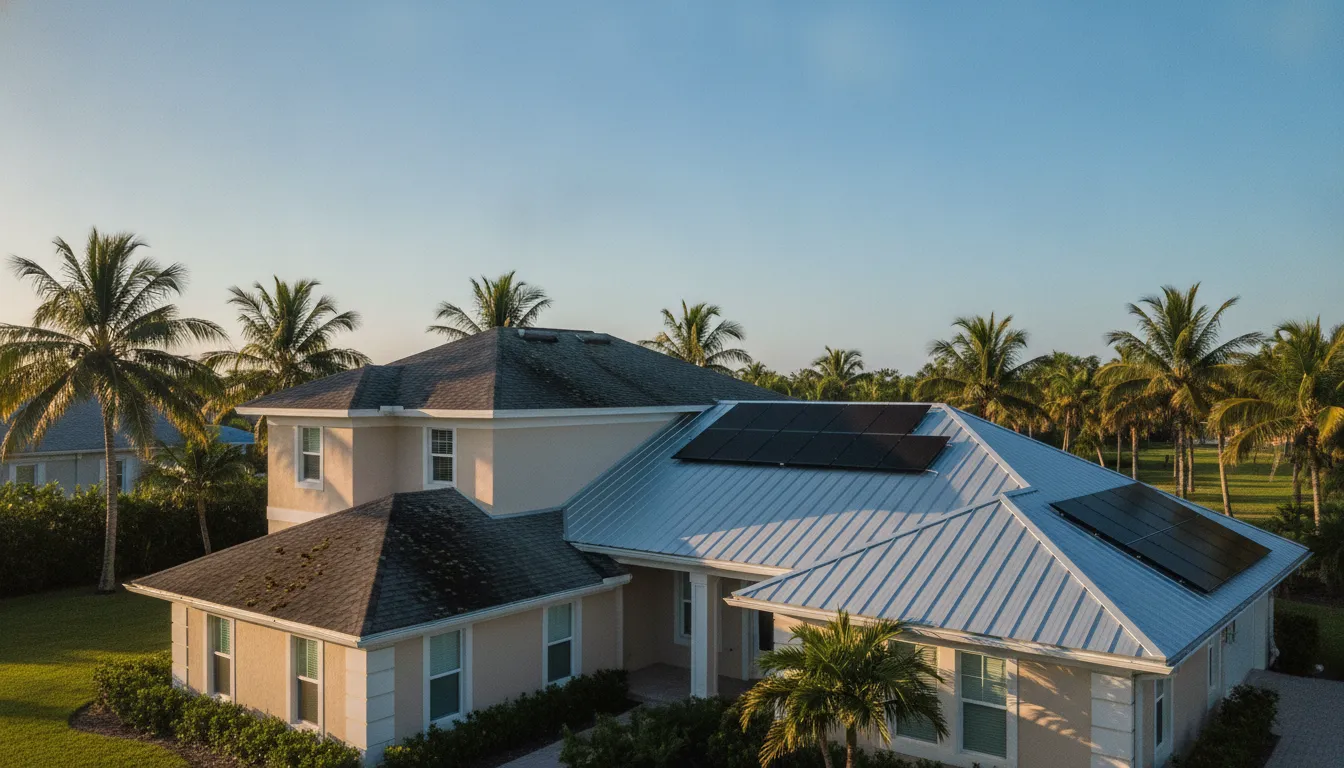
High humidity, intense tropical heat, and heavy summer rain quickly degrade standard St. Petersburg roofing systems. Choosing the right material is a high-stakes decision that determines how your home survives the next major storm.
Weighing an asphalt shingles vs metal roof for a Florida home means matching high upfront costs against long-term storm strength and overall roof lifespan. Metal roofs can last 40 to 70 years and reflect solar heat to cut cooling bills, but they need a much higher upfront purchase cost. Asphalt shingles are the common standard because they cost less and are easy to install on most homes in Pinellas County. However, shingles only last 15 to 30 years and are much easier for high hurricane winds and severe local storms to damage. For storm safety, an IBHS study showed most shingled homes suffered wind damage, while less than half of the metal roofs were damaged.
Choosing a new roof for your home is a major decision that needs balancing immediate expenses against future savings. To help you decide, we must first answer the key financial question: What Does an Asphalt Shingle Roof Cost Compared to a Metal Roof? The detailed price breakdown begins with.
What Does an Asphalt Shingle Roof Cost Compared to a Metal Roof?
When weighing asphalt shingles vs metal roof options, upfront install costs differ a lot. Asphalt shingles cost less to install at first, while metal roofing needs a higher upfront cost but offers great strength. Over time, metal provides greater long-term value through energy savings and storm safety.
Upfront Installation Costs for Florida Homes
For most homeowners, the first point of choice is the starting price. Installing a standard shingle roof is the most budget-friendly choice at first. Asphalt shingles cost about $3.50 to $5.50 per square foot, with a full new roof usually running between $5,800 and $12,200. These lower costs make shingles the common standard for many homes in Pinellas County.
Metal roofs cost more to install because the parts are high-grade and need expert labor. Metal roofing prices range from $4 to $30 per square foot, making a full install cost about double or more than a shingle system. But this higher upfront cost buys a roof built to withstand harsh Florida weather. Homeowners must weigh this starting cost against long-term peace of mind and home insurance savings.
Long-Term Value and Life Cycle Savings
While shingles cost less today, metal roofing offers better value over time. Metal systems can last 40 to 70 years, while shingles usually last only 15 to 30 years. In St. Petersburg, high heat, damp air, and storms can shorten shingle life. Homeowners should schedule routine roof inspections to assess material longevity as their roof ages.
Energy savings also offset the price of metal. Metal reflects solar heat, which lowers cooling bills in the Tampa Bay climate. A study by the Florida Solar Energy Center shows that highly reflective roofs can reduce cooling energy use by 18% to 26%. This makes metal a smart choice to battle rising power bills.
Comparing Material Features and Life Costs
Choosing between these systems depends on your budget and how long you plan to stay in your home. Both options have distinct pros and cons. Homeowners can select the best fit from standard asphalt shingle and metal roofing installations to protect their property. Below is a breakdown of how these two roof types compare across key areas.
| Feature | Asphalt Shingle Roof | Metal Roof |
|---|---|---|
| Upfront Cost | Lower ($5,800 to $12,200 average) | Higher (often double or more) |
| Lifespan | 15 to 30 years | 40 to 70 years |
| Storm Resistance | Moderate (prone to shingle loss) | High (withstands extreme winds) |
| Energy Savings | Low (absorbs solar heat) | High (reflects radiant heat) |
| Maintenance Needs | Moderate (requires regular checks) | Low (highly durable system) |
How Long Do Shingles and Metal Roofs Last in Florida’s Climate?
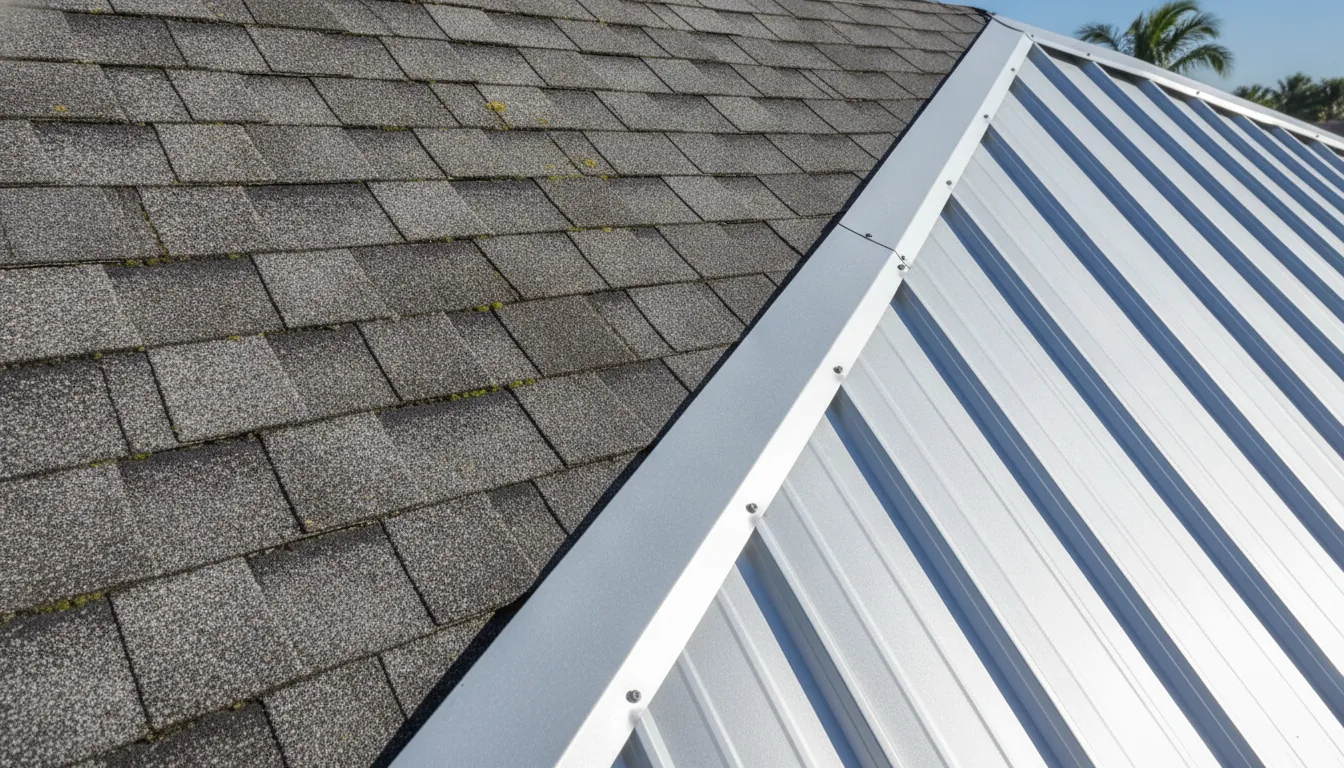
In Florida’s hot and humid climate, a metal roof can last 40 to 70 years, while basic asphalt shingles last between 15 and 30 years. Intense heat, heavy rains, and salt air degrade shingles much faster than metal. Choosing the right roofing can help homeowners extend their roof’s life and avoid buying a new roof so often.
The impact of extreme heat and ultraviolet rays
Florida’s intense sunlight beats down on rooftops day after day. This strong UV light breaks down the binders in asphalt shingles, which makes them dry and brittle. Over time, the shingles lose their granules and begin to crack or curl. A metal roof handles this extreme heat much better because it does not dry out or crack.
The thermal stress of daily heat shifts also strains roofing materials. As a roof heats up during the day and cools at night, it expands and contracts. This movement weakens shingle seams and nails. Research by the Florida Solar Energy Center shows how reflective roofing systems reduce radiant heat. By keeping the roof cooler, you can reduce this stretching and help extend the life of your home.
How humidity and coastal air degrade shingles
High humidity is a constant factor in St. Petersburg and across Pinellas County. Moisture gets trapped under shingles, which leads to mold, mildew, and rot. When we look at asphalt shingles vs metal roof systems, mold and algae are much bigger problems for shingles. Algae feed on the limestone filler in modern shingles, leaving dark, ugly streaks on your roof.
Coastal areas also face salt air, which acts like a slow and harmful force over many years. Salt spray degrades shingles, causing them to lose their outer coating much faster. While some metals can rust, modern metal roofing uses special coatings to resist salt damage. Homeowners can benefit from ensuring proper ventilation for shingle or metal roofs to help prevent moisture build-up in the attic.
Lifespan expectations for Florida homes
How do these climate factors affect the bottom line of roof life? In Florida’s harsh weather, asphalt shingles usually last 15 to 30 years before you must replace them. But severe storms and constant dampness often cut this time short. Homeowners must watch for curling edges, missing granules, and leaks as their shingle roofs age.
In contrast, metal roofs are very tough and can last 40 to 70 years. While metal costs more upfront, it can last up to three times longer than a standard shingle system. It is smart to schedule routine roof inspections to assess material longevity. Regular check-ups help ensure that your roof system lasts as long as possible in our coastal weather.
Hurricane and Storm Resistance: Shingles vs Metal in Pinellas County
In Pinellas County, metal roofing provides better defense against hurricane-force winds compared to asphalt shingles. Standard shingles often tear or blow off during severe storms. In contrast, metal panels are built to resist extreme wind speeds and reduce the risk of water damage.
Wind performance during extreme storms
When looking at an asphalt shingles vs metal roof, wind strength is a key factor for coastal Florida homes. Severe storms and tropical systems test roof strength every year. Studies show that metal roof systems are built to withstand higher wind speeds than standard asphalt shingle roofs. This design makes a major impact during a big hurricane.
Data from the Insurance Institute for Business and Home Safety (IBHS) confirms this gap. After Hurricane Michael, teams found that most homes with asphalt shingles experienced damage. In contrast, less than half of the homes with metal roofs suffered damage. This field data shows that metal roofs provide much better defense in real storms.
The cost of roof cover loss
During strong wind events, roof cover loss is the most common type of storm damage. Shingles can peel away from the roof deck when high winds catch their edges. Once the outer cover is gone, rainwater pours into the house. This cover loss leads to water leaks that ruin ceilings, walls, and personal goods.
Stopping these failures requires choosing the right roof system for your home. Homeowners can learn to find storm issues by evaluating storm damage on various roofing materials. Choosing metal reduces the risk of cover loss and keeps the building sealed. This choice protects the inside of your home from costly water damage after a storm.
The single-source recovery advantage
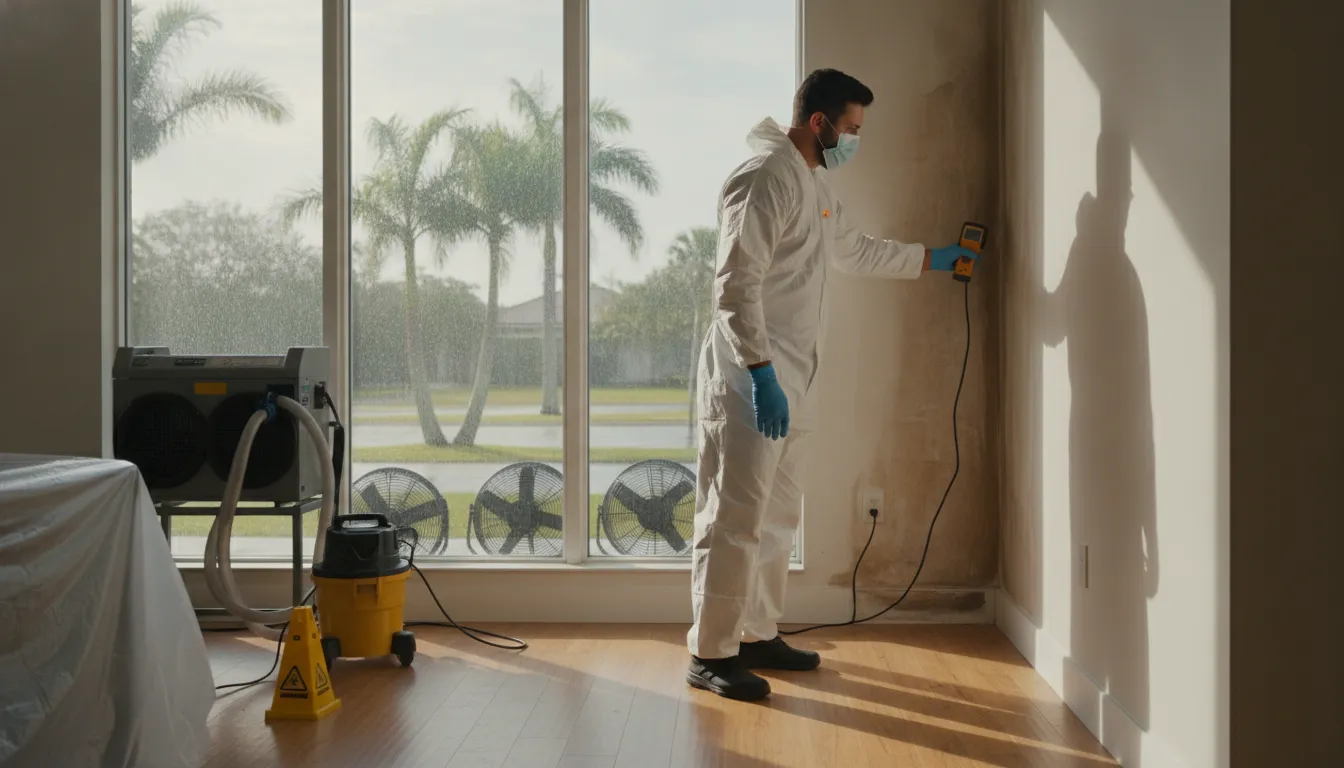
If a storm does cause damage, the clean up can be very hard. Homeowners often have to work with different teams to fix their roof and dry out their home. Go Time Roofing and Restoration solves this problem. As a licensed and insured contractor in St. Petersburg, they provide both roofing services and urgent water restoration under one roof.
This single-source model gives homeowners peace of mind during storm recovery. In addition to high wind defense, metal roofs offer year-round gains. Tests in Florida show that white reflective roof systems reduce cooling energy use by 18% to 26%. By choosing metal, you get a roof that resists storm damage and lowers your energy bills in the summer heat.
Energy Efficiency in Tampa Bay’s Heat: Which Roof Wins?
When choosing between asphalt shingles vs metal roof options for energy efficiency, a metal roof is the clear winner in the Tampa Bay heat. Metal systems reflect solar heat to lower cooling bills, whereas dark asphalt shingles tend to absorb heat and keep attics hot. Homeowners can see major energy savings by choosing reflective metal roofs.
Solar heat reflection and cooling savings
The Florida sun beats down on St. Petersburg homes with intense force, making indoor spaces hot and forcing AC systems to work hard. Owners weighing asphalt shingles vs metal roof options must look closely at how each type deals with this extreme heat. Metal roofs act as a radiant barrier that reflects the sun’s energy back into the air. This reflection keeps the home cooler than standard shingles.
In contrast, dark asphalt shingles absorb solar heat throughout the day, trapping hot air in your attic. Research from the Florida Solar Energy Center shows that white reflective roofs can reduce cooling energy use by 18% to 26% in Florida. This same study found that these systems cut peak cooling demand by 28% to 35% on hot days. Homeowners who swap dark shingles for metal can see direct savings on their power bills.
The role of proper attic ventilation
Even a cool roof needs help to keep a home cool. Attic airflow plays a big part in cutting home energy use. A proper system sweeps trapped heat and moisture out of your attic, so it does not leak down into your rooms. This process is key to ensuring proper ventilation for shingle or metal roofs in humid areas.
Without good airflow, heat builds up under both asphalt shingles and metal panels. Shingle systems are prone to heat buildup because shingles sit flat against the deck. Metal roofs are often installed on battens, which makes a small path for air to slide under the metal. This extra airflow path helps carry heat away before it passes into your home.
Storm noise and underlayment insulation
You need a team that knows local climate needs. Go Time Roofing provides expert asphalt shingle and metal roofing installations in St. Petersburg. Working with local experts makes sure your roof has the right layers to block heat and damp storm noise.
Some homeowners worry that a metal roof will be too loud during intense Florida rainstorms. They think the sound of water hitting metal will make too much noise. But proper underlayment and attic insulation solve this issue. These layers absorb sound to keep your home quiet.
When set up right, a metal roof is just as quiet as shingles. Quality underlayment acts as a sound barrier and blocks heat at the same time. This setup blocks out storm noise while keeping cool air inside your home where it belongs.
Maintenance and Repairs: Caring for Shingle and Metal Roofs
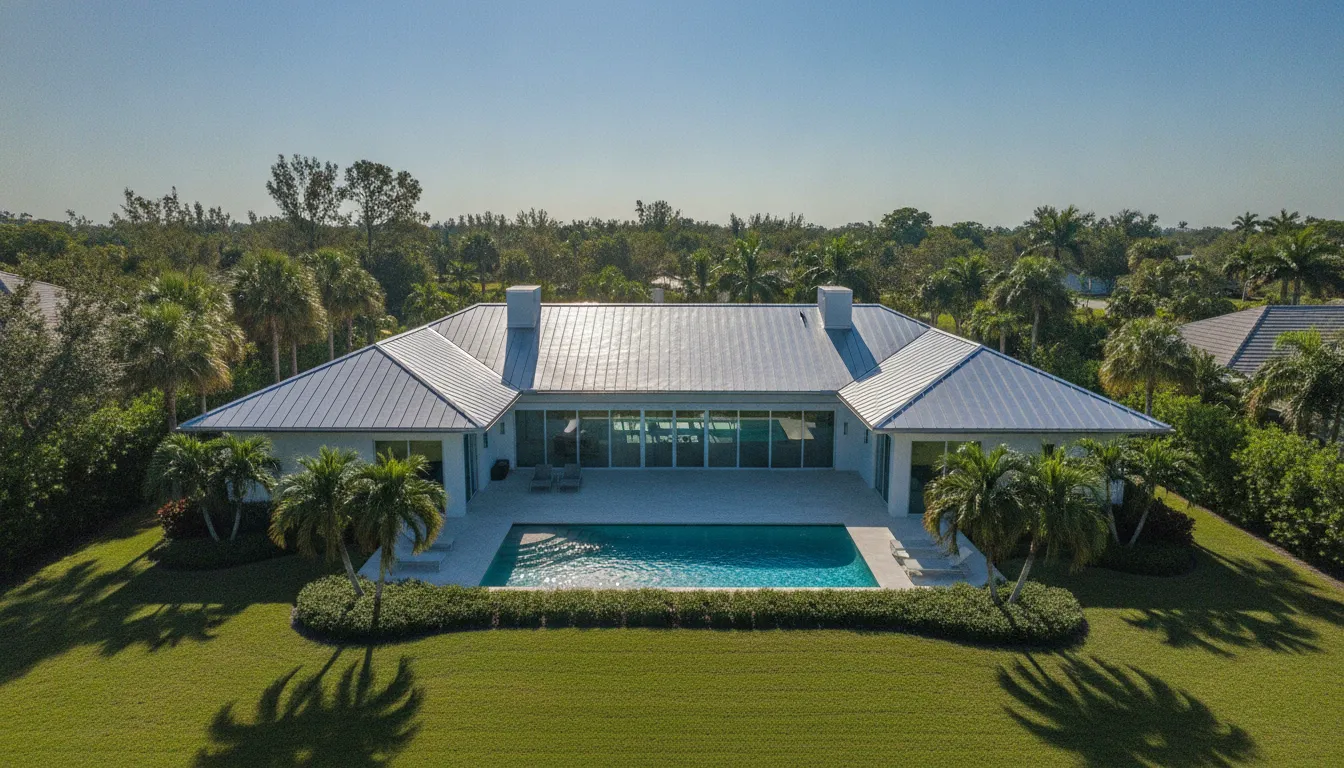
Caring for asphalt shingles and metal roofs requires different tasks to ensure long-term strength. Shingle roofs need routine checks for algae and granule loss, while metal panels require screw checks and rust control. Both roof types benefit from steady care to prevent leaks and extend their overall lifespan.
Asphalt shingle care and common wear
Asphalt shingles require routine checks to combat Florida’s intense heat and damp air. Over time, UV rays damage the surface and cause granule loss. This weakens the shingles and makes them brittle. In damp, shaded spots, algae and moss can grow and trap moisture against the roof surface. Homeowners should look for curling edges, bald spots, and cracked pieces after heavy storms. Addressing these minor issues early is key for preventing common roof leaks.
Cleaning is another major task to keep a roof lasting long. Shingles require gentle washing with mild soaps to kill algae without stripping away outer granules. Pressure washing should never be used on shingles because the high force can destroy the surface. Metal roofs can handle gentle rinsing to remove dirt, pine needles, and salt deposits.
Metal roof inspections and rust prevention
Metal roofs are durable but still need proper care to stay in top shape. The main focus during upkeep is checking the metal fasteners and rubber washers. Because metal panels expand and contract in the hot sun, screws can back out and break their seals. If this happens, water can seep into the roof deck.
Homeowners must also watch for rust or paint scratches that expose raw metal to salt air. In coastal areas, treating rust spots early prevents deep rust damage that could ruin a panel. Underlayment care is also vital for keeping metal systems quiet and dry. Proper insulation and underlayment setup can make metal roofs as quiet as asphalt shingle roofs during heavy rainstorms. If these barriers degrade, you may notice more noise and added leaks.
Repair techniques also differ between these two roofing types. While you can patch single asphalt shingles, damaged metal panels often require full replacement. However, metal roofs can sometimes be re-coated to extend their life. Shingles must be fully replaced once they lose too many granules.
Professional care and longevity
Both roofing types require expert care to achieve their full lifespans. Homeowners should schedule routine roof inspections to assess material longevity. An expert inspector can spot hidden weak points, check valleys, and ensure that flashings remain watertight.
When comparing the care of an asphalt shingles vs metal roof system, energy choices can also play a role. According to a study by the Florida Solar Energy Center, highly reflective white roofs can reduce home cooling energy use by 18% to 26%. Choosing cool roof types can lower thermal stress on the roof structure and make upkeep easier over time.
Do Metal Roofs Increase Florida Home Value?
Yes, metal roofs increase Florida home value by giving top storm safety, lowering power bills, and lasting up to three times longer than shingles. Buyers in coastal areas like St. Pete are often glad to pay more for a home with a strong metal roof. This roof choice cuts future repair costs and lowers home insurance rates.
Resale value and coastal buyer appeal
Home buyers in Florida search for homes that can stand up to heavy storms and high winds. When they compare an old shingle roof to a new metal roof, they see safety and long life. Metal roofs appeal to coastal buyers who want to avoid the stress of storm damage. This strong appeal can lead to faster sales and a higher sales price.
A metal roof can help a home sell for more money. When comparing an asphalt shingles vs metal roof choice, buyers know that metal is a top upgrade. They are often willing to pay more upfront. They know they will not have to replace the roof for decades. This makes the home much more attractive on the market.
Return on investment and insurance savings
A metal roof offers a solid return on investment for home owners in Pinellas County. Owners often get back a large part of the upfront cost when they sell. Also, many home insurers in Florida offer big discounts for metal roofs. These roofs are built to resist winds up to 140 miles per hour. This cuts the risk of storm damage.
Lower energy bills also boost the overall value of a home. A study by the Florida Solar Energy Center shows that white metal roofs can cut home cooling bills by 18% to 26%. Buyers value a house that costs less to cool. This high efficiency makes metal roofs a smart choice that adds clear value to any Florida home.
Long-term durability and market growth
The long life of a metal roof adds to its value. A standard shingle roof may only last 15 to 30 years in Florida’s intense heat. In contrast, a metal roof can last 40 to 70 years. This offers far better value over time. Owners who choose metal can avoid the cost of many roof replacements.
Because of these perks, the demand for metal roofs is rising fast. Industry data shows that the U.S. metal roofing market is set to pass $4 billion by 2026. Owners who buy these modern roofs now align with growing market trends. For the best results, you should hire a licensed local roofer for asphalt shingle and metal roofing installations.
Comparing Asphalt Shingles vs Metal Roof for St. Petersburg Homes
Choosing between an asphalt shingle and a metal roof depends on your budget, storm goals, and how long you plan to own your home. Shingles have a classic look and low upfront costs, but metal roofs offer better wind protection and power savings in our hot, wet climate. Go Time Roofing and Restoration can help you compare these options to find the best fit for your house.
Budget and home ownership timeline
Your budget and timeline are key when choosing a roof. Asphalt shingles are a common standard in Florida because they cost less. If you plan to sell your home in a few years, shingles offer a good return without a high upfront price.
But if you plan to stay in your home for decades, a metal roof is often the better value. Metal roofs can last 40 to 70 years, but shingles often last only 15 to 30 years. Over time, the strength of metal saves you money on new roof costs. If you want to invest in your home, our team gives trusted roofing services to put in both systems.
Storm protection and local climate factors
St. Petersburg homeowners face high wind, extreme heat, and heavy storms. Metal roofs offer great protection because they are made to stand higher wind speeds than shingles. This wind strength helps prevent roof cover loss, which is the most common damage during hurricanes.
In major storms, shingles often fail. A report on Hurricane Michael showed that most homes with shingles had damage. In contrast, less than half of homes with metal roofs were damaged.
Heat is one more local factor. Dark shingles absorb sun heat, but metal roofs reflect solar rays. A study by the Florida Solar Energy Center shows that reflective roofs reduce cooling use. They can cut your cooling bills by 18% to 26%.
Single-source roofing and restoration advantage
When a storm hits, roof damage can lead to water leaks that harm your home inside. Losing your roof cover leads to water leaks, which can ruin your home inside. If you have a leak, you often must hire one team for the roof and another for water clean-up. This makes the repair job slow and hard to manage.
Go Time Roofing and Restoration solves this problem. We are a single-source team for both roofing and restoration in Pinellas County. Our team can fix your roof and restore your home inside at the same time. Before storm season, we suggest scheduling routine roof inspections to assess material longevity and check for weak spots.
Frequently Asked Questions
Is a metal roof worth the extra cost for a Florida home?
Yes, metal roofing is a smart choice for many. While it costs more upfront, it can lower your power bills. Research from the Florida Solar Energy Center shows that white metal roofs can cut home cooling energy use by 18% to 26% in hot climates. Over time, these savings and lower insurance costs help offset the high starting cost.
Are metal roofs noisy during Florida rainstorms?
No, proper installation makes them very quiet. Homeowners often worry about noise, but a thick underlayment and attic insulation block the sound of heavy rain. When built right, a metal roof is just as quiet as an asphalt shingle roof during a storm. These extra layers also help keep your home cool and dry.
Can you install a metal roof over existing asphalt shingles in Florida?
While Florida building codes sometimes allow this, it is not a good idea for coastal homes. Pinellas County gets high winds and heavy rain. A full tear-off lets your roofer inspect the wood deck underneath for rot or leaks. It also lets them install a strong new water barrier to protect your home from storm damage.
Do metal roofs hold up better than asphalt shingles in hurricanes?
Yes, metal roofs are much stronger in high winds. A study by the Insurance Institute for Business and Home Safety looked at Hurricane Michael. Most shingle roofs suffered damage, but less than half of the metal roofs did. Losing your roof cover lets water inside, which can ruin your home. Metal panels resist wind much better to prevent these leaks.
How long can you expect each roof type to last?
A metal roof can last 40 to 70 years, while asphalt shingles typically last 15 to 30 years. Florida heat, humidity, and salt air shorten shingle life faster than in cooler climates. Because metal lasts up to three times longer, many St. Petersburg owners find it the better long-term value despite the higher starting cost.
Ready to Compare Shingles and Metal Roofs?
Leaving a damaged roof alone can cause deep leaks, mold growth, and costly wood rot in your St. Petersburg home after a storm. By taking action today, you will prevent these major water issues and prepare your property for the upcoming heavy storms and high winds. Our local team is ready to help you compare shingle and metal roofing installations to find your perfect fit. Our licensed experts have years of local experience working in the Tampa Bay area. We provide reliable roofing and restoration services to keep your entire house dry, safe, and secure.