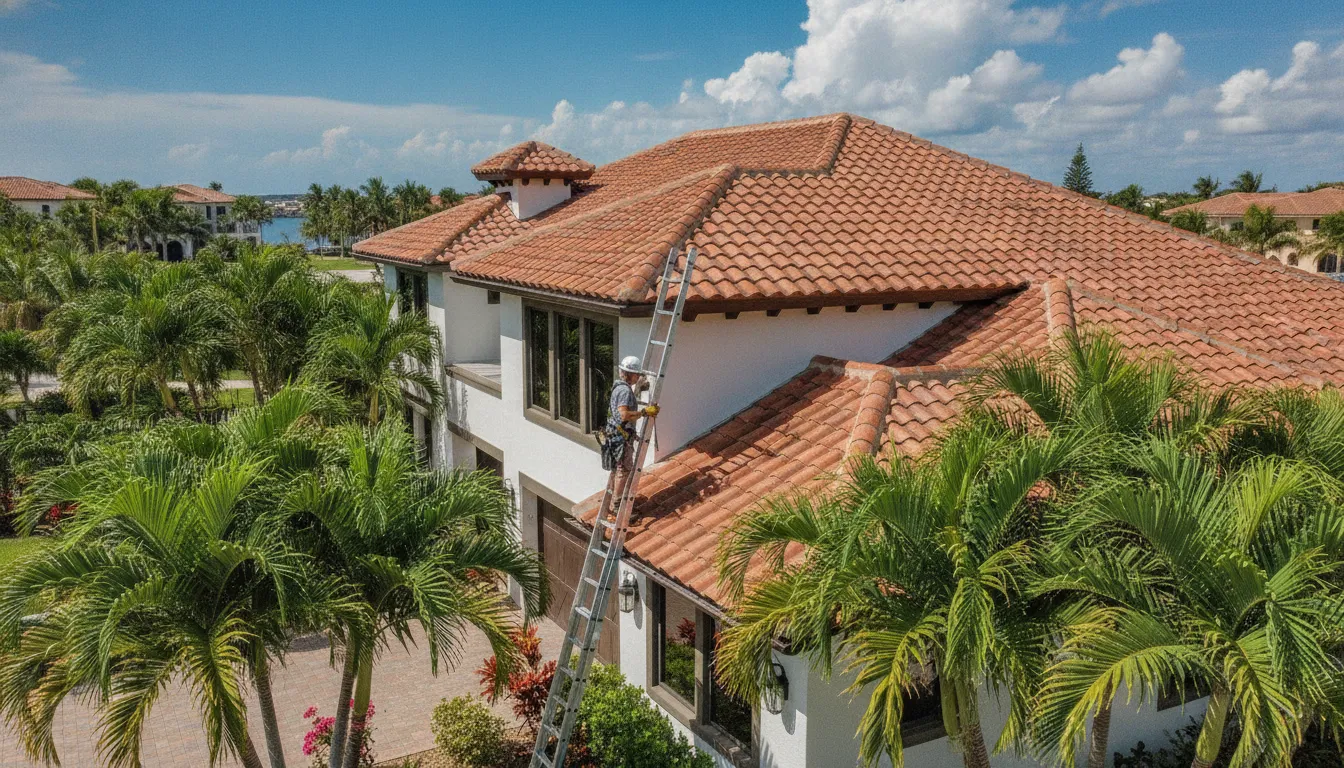
Replacing a tile roof in Tampa Bay involves more than choosing a color and scheduling installation. Heat, humidity, salt air, hurricane winds, roof structure, underlayment, and drainage all influence the right approach for a Pinellas County home.
Schedule your free roof inspection in St. Petersburg today. Call (727) 361-6905.
Tile roof replacement can be a long-term investment, but the cost and timing depend on roof size, pitch, tile material, structural capacity, and hidden underlayment damage. Clay tiles resist fire, rot, and insects in humid Florida conditions, while concrete tiles offer durability and strong wind resistance when the roof structure supports their weight.
A careful evaluation separates repairable storm damage from system-wide wear. It also shows whether the existing deck, fasteners, ventilation, and underlayment can support a dependable replacement. The first step is recognizing the signs that replacement has become more practical than continued repairs.
When Does a Tile Roof Actually Need Replacement?
A tile roof does not automatically need replacement when a few tiles crack. The deciding issue is whether damage reaches the underlayment or roof structure.
Clay and concrete tiles can last 50 to 100 years, while the underlayment commonly needs replacement after 20 to 30 years. A professional inspection separates manageable repairs from a failing roof system.
Cracked, Broken, or Displaced Tiles
Individual tile damage often begins with impact from falling branches, debris, or severe weather. Clay and concrete tiles are durable, but both can become brittle under impact.
Cracked tiles can admit water even when the break looks small from the ground. Broken tiles also expose the underlayment to wind-driven rain, according to Florida roofing guidance.
Storms create another concern when tiles slide, lift, or shift out of alignment. Displaced tiles leave gaps that can permit water beneath the covering during Tampa Bay’s intense rain and wind.
A few damaged tiles may be repairable when the surrounding system remains sound. Extensive breakage, repeated displacement, or widespread brittle tiles indicate that replacement deserves closer consideration.
See our guidance on tile roof repair in St. Petersburg before deciding between spot repairs and broader work.
Underlayment Decay and Moisture Intrusion
The underlayment is the water-shedding layer beneath the tiles. It protects the deck when rain passes beneath the surface covering.
Underlayment can deteriorate from age, heat, humidity, and repeated wetting. Its typical 20 to 30-year service window may end long before the tiles themselves do.
Warning signs include stained ceilings, damp attic insulation, soft roof decking, musty odors, and water marks near roof penetrations. These symptoms require prompt evaluation because hidden moisture can spread beyond the original leak.
Roof leaks do not always appear directly below the damaged area. Water can travel along the deck or framing before entering the living space.
Arrange professional roof leak repair when moisture appears inside the home. A repair may be enough if the underlayment remains serviceable, but widespread decay usually requires replacement.
Algae, Mold, and Persistent Dampness
Florida’s humid subtropical climate creates conditions that support algae and mold growth on and beneath roof coverings. Growth alone does not prove that a roof needs full replacement.
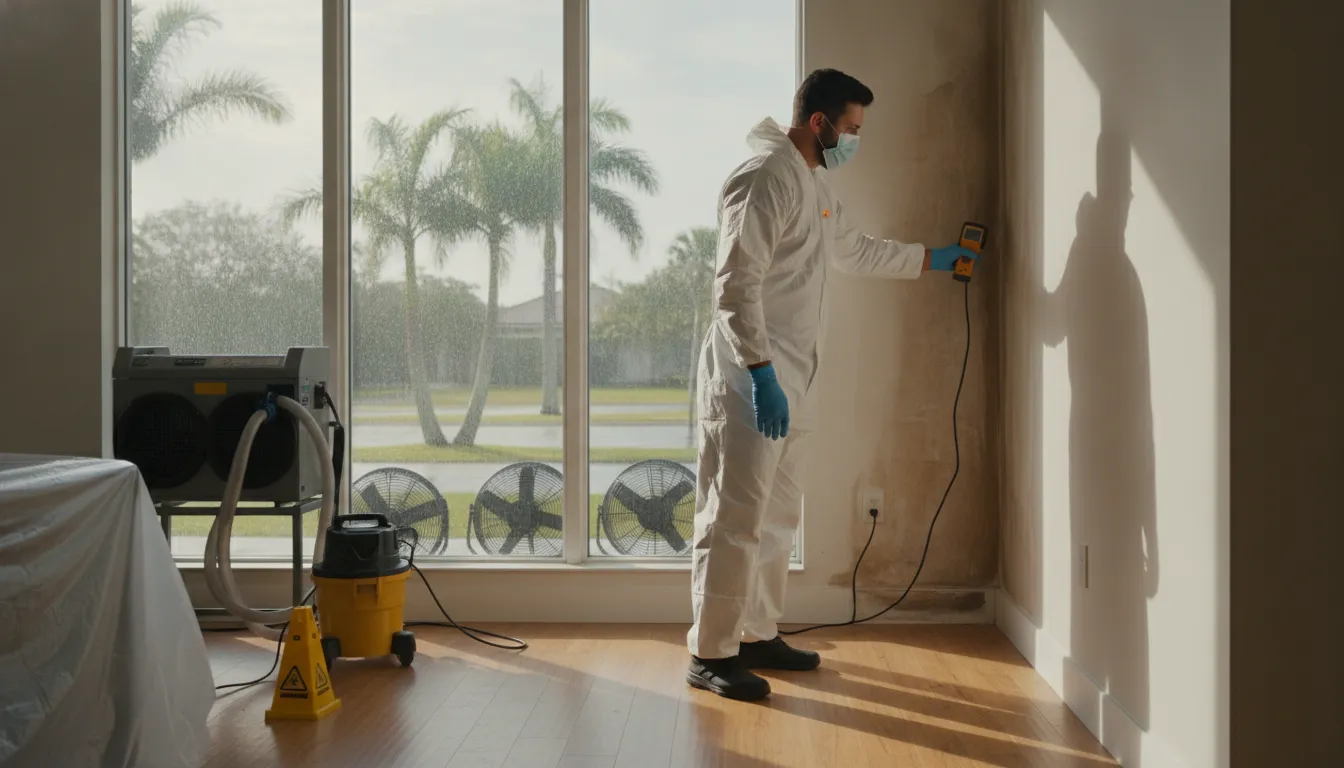
Persistent algae or mold can signal trapped moisture, poor drainage, or deteriorating underlayment. An inspector should determine whether growth is superficial or connected to active moisture damage.
- Replacement becomes more likely when moisture affects multiple roof sections.
- Replacement deserves consideration when the underlayment has reached the end of its service life.
- Replacement may be appropriate when storm damage is widespread or tiles no longer remain securely aligned.
- Repair is often reasonable when damage is localized and the underlying layers remain dry and intact.
A careful inspection should document tile condition, underlayment age, moisture evidence, and storm-related displacement. That information supports a practical recommendation without replacing a sound tile covering unnecessarily.
The Tile Roof Replacement Process: What Tampa Bay Homeowners Should Expect
A professional tile roof replacement follows a defined sequence, from inspection through final approval. Each stage protects the roof structure, manages Florida weather risks, and supports dependable performance.
Because tile weighs more than common shingle systems, the project should begin with evidence, engineering, and a clear installation plan.
-
Complete a professional inspection and damage assessment
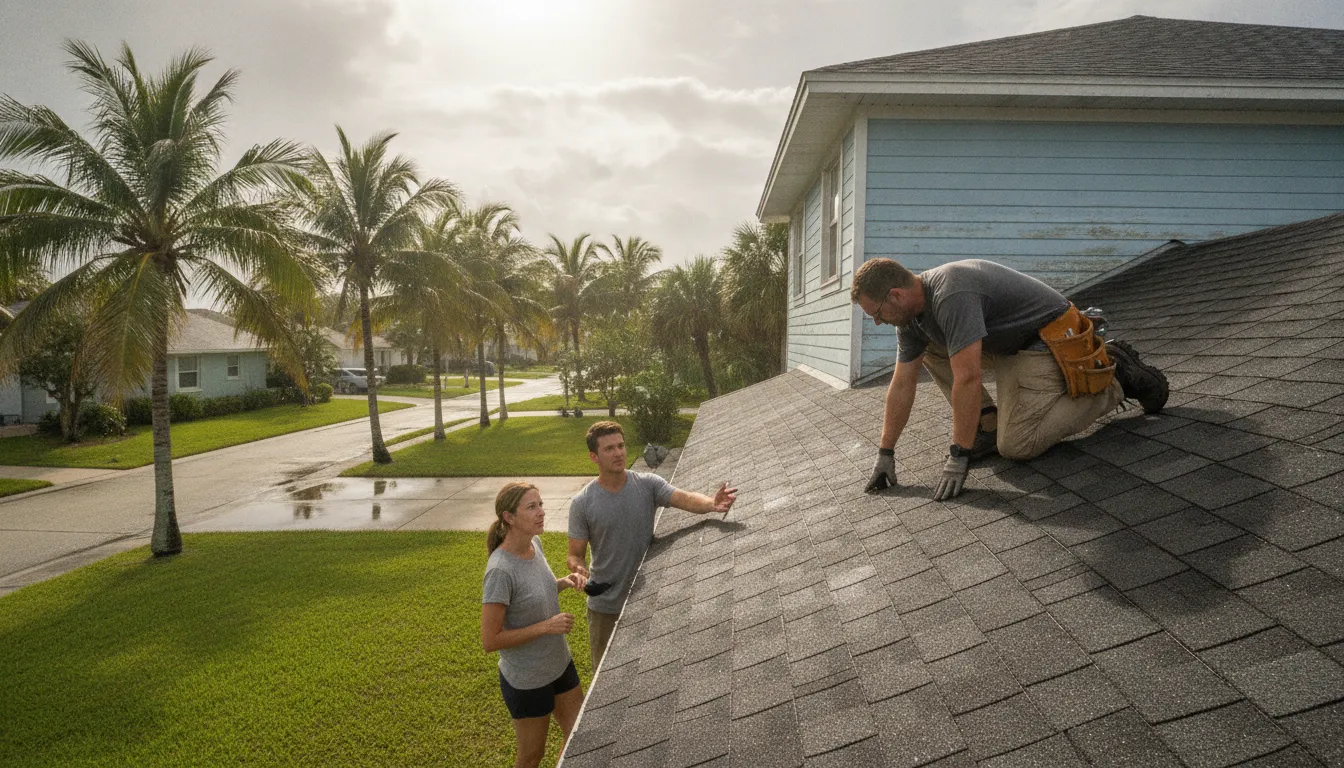
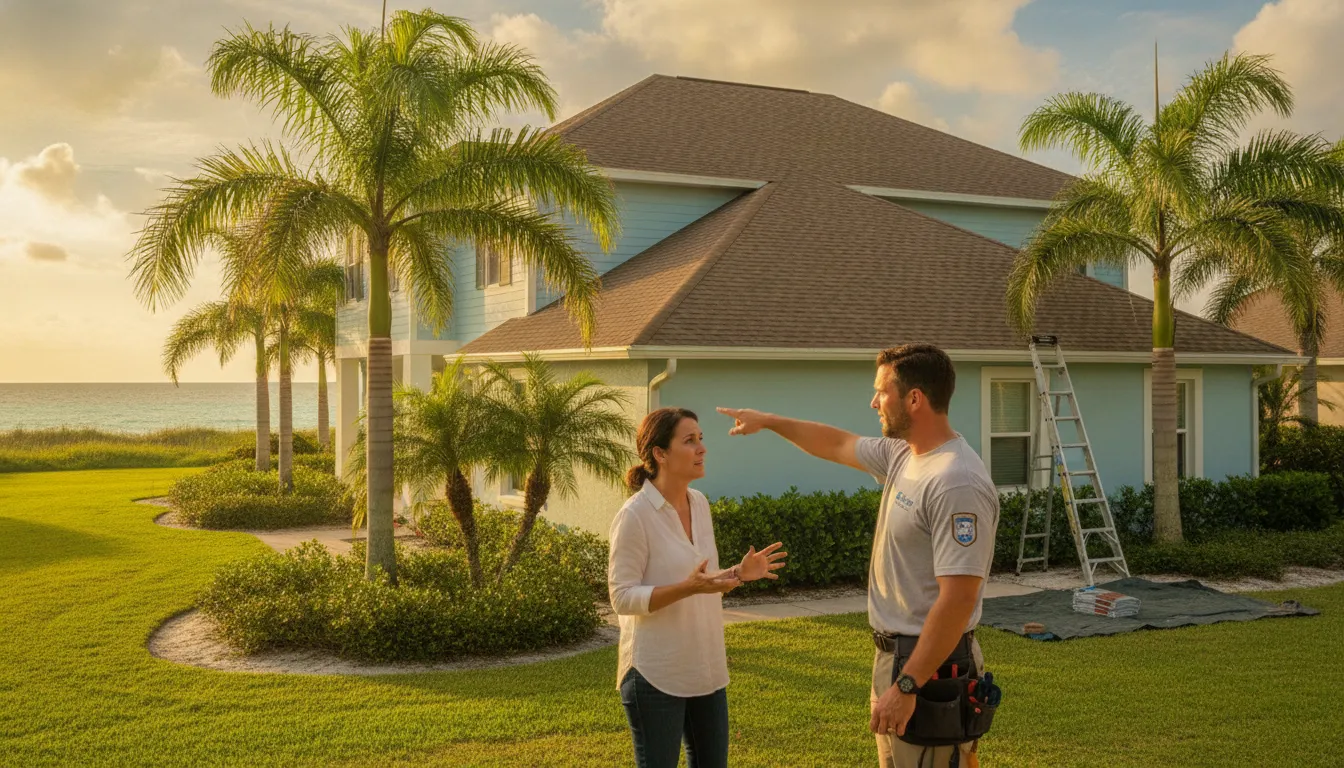
The contractor examines the existing tiles, underlayment, flashings, valleys, penetrations, ventilation, and visible framing. A regular roof inspection can identify cracked tiles, moisture entry, and storm-related displacement before replacement begins. The assessment also helps separate repairable conditions from problems affecting the full roof assembly.
-
Analyze the structural load
Tile systems are naturally heavier than shingle roofs. A professional structural analysis checks whether the existing deck and rafters can safely accommodate the design loads. This step is especially important when changing materials or replacing lighter roofing with concrete tile. The analysis should account for the roof assembly, framing, and required attachments.
-
Develop engineered plans and specifications
Florida requirements call for plans and specifications for new and replacement roofing projects. A registered architect or engineer licensed in Florida must develop those documents, with at least ten years of direct roofing design experience. The plans define materials, fastening methods, details, and installation requirements for the specific home.
-
Remove the old tiles and underlayment
The crew carefully tears off the existing tiles and underlayment. Removal exposes the roof deck for closer inspection. Damaged decking, deteriorated wood, or compromised flashing can then be addressed before new materials cover the assembly. Controlled tear-off also limits unnecessary disturbance to the surrounding property.
-
Install materials according to Florida standards
Concrete and clay tile installations must follow the FRSA/TRI Concrete and Clay Roof Tile Installation Manual. Compliance supports proper fastening, spacing, flashing, and weather resistance. Florida roofing design also considers wind uplift, drainage, adjacent flashings, and the integrity of connected components.
-
Install the new underlayment
Underlayment provides a secondary water-shedding layer beneath the tile covering. In Tampa Bay, that layer matters because wind-driven rain can reach vulnerable areas during severe storms. Learn more about tile roof underlayment replacement before approving a project scope.
-
Re-lay the tiles and complete ridge and flashing work
The installer places the new tiles according to the engineered layout. Ridge tiles, hips, valleys, wall intersections, vents, and penetrations receive careful attention. Correct flashing directs water away from vulnerable joints. Fasteners and connectors also help the system resist Tampa Bay wind and rain.
-
Perform the final inspection
The final review confirms that tiles, underlayment interfaces, flashings, ridge details, ventilation, and drainage match the approved plans. The contractor should document completed work and address visible deficiencies before closing the project. A thorough inspection provides homeowners with a clearer record for future maintenance and storm preparation.
Concrete vs. Clay Roof Tiles: Which Is Better for a Florida Home?
Concrete and clay tiles can both suit Florida homes when the roof structure, fastening system, and installation meet local requirements. Concrete usually offers a cost-effective, wind-resistant option, while clay provides natural resistance to fire, rot, and insects.
The better choice depends on structural capacity, impact exposure, maintenance priorities, and the humid Tampa Bay climate. A professional evaluation should come before any clay vs. concrete tile comparison.
Key differences between concrete and clay tile roofing
| Consideration | Concrete tile | Clay tile |
|---|---|---|
| Weight | Concrete is often heavier than clay. Existing framing and the roof deck may need a structural assessment before installation. | Clay is generally lighter than concrete, but the complete roof assembly still requires a professional load review. |
| Cost | Concrete is commonly a cost-effective alternative to clay, especially when the structure can support its weight. | Clay can carry a higher material investment because of its manufacturing characteristics and long historical use. |
| Durability | Concrete tiles are durable and can perform well when installed and maintained correctly. | Clay tiles have exceptional historical longevity, but individual tiles can be brittle under impact. |
| Impact resistance | Concrete is durable, but tiles can still crack under high-impact conditions. | Clay can be more fragile under impact and may crack during severe weather or careless handling. |
| Rot, fire, and insects | Concrete does not provide the same naturally documented resistance as clay for every condition. | Clay is naturally resistant to fire, rot, and insect damage, which benefits humid Florida homes. |
| Humid Tampa Bay climate | Concrete can provide strong wind resistance when installed to current codes and supported by a suitable deck. | Clay suits humid conditions because it resists rot and insects, but cracked tiles can expose the underlayment. |
Weight is one of the most important differences during a tile roof replacement. Tile systems are significantly heavier than asphalt shingles, so a professional should evaluate the rafters, decking, and connections.
That review matters because adding tile without confirming load capacity can create structural concerns. The Florida Office of Insurance Regulation identifies structural assessment as an important step for tile systems.
Wind performance also depends on the entire assembly rather than the tile alone. Concrete can offer significant wind uplift resistance when installers use current code requirements and appropriate fastening methods.
Clay remains attractive for homeowners who value material longevity and resistance to fire, rot, and insects. However, neither material is immune to storm damage. Broken tiles can allow wind-driven rain to reach the underlayment and cause moisture damage.
In Tampa Bay, humidity and heat add another design consideration. Proper ventilation helps moisture escape and limits attic heat buildup, regardless of the tile selected.
Both materials require careful handling and qualified installation. The final decision should balance the home’s structural capacity, budget, coastal exposure, design goals, and expected maintenance.
How Much Does Tile Roof Replacement Cost in Tampa Bay?
Tile roof replacement in Tampa Bay commonly costs about $19.01 to $26.03 per square foot for installation. A typical project may total near $16,000, but many homes fall between $8,202 and $24,645.
Those figures provide national reference points, not a guaranteed local quote. Tampa Bay pricing depends on the roof’s size, material, pitch, structural needs, access, and installation scope.
What affects the cost of a tile roof replacement?
Roof size is one of the clearest cost drivers. Larger roofs require more tiles, underlayment, fasteners, flashing, disposal, and labor.
Roof pitch also affects labor. Steeper sections require additional safety measures and usually take longer to access and install.
The existing roof condition matters as well. A replacement may uncover damaged decking, deteriorated underlayment, inadequate flashing, or framing that needs correction.
Tile systems are heavier than many shingle systems. A professional should evaluate the roof deck and rafters before installation to confirm they can support the design loads.
Florida roofing work also needs code-compliant materials and fastening methods. The Florida Building Code requires roofing systems to resist extreme wind forces and account for connected components.
Proper installation should follow the Concrete and Clay Roof Tile Installation Manual published by FRSA and TRI. These requirements can affect labor, materials, inspections, and project scheduling.
Concrete or clay tile: which costs less?
Concrete tile is generally the more cost-effective alternative to clay tile. It can provide strong wind resistance when installed correctly and supported by suitable roof framing.
Clay tile may carry a higher material cost, but it offers valued benefits for Florida homes. Clay naturally resists fire, rot, and insect damage in humid environments.
Concrete is durable, but its additional weight may require a structural review. Clay can also be brittle under impact, so material selection should consider storm exposure and maintenance expectations.
For a broader comparison, review the best roofing materials for Florida coastal homes. The right choice balances upfront cost, structural capacity, appearance, service life, and repair needs.
Why Tampa Bay quotes can differ
Local conditions create meaningful differences between estimates. Humidity, heat, salt air, storm history, roof geometry, and access can change the recommended scope.
One contractor may quote a basic tile replacement, while another includes deck repairs, ventilation improvements, upgraded underlayment, or stronger wind-rated fastening.
That is why online averages should support planning rather than replace an inspection. Compare each estimate by material specifications, tear-off work, structural evaluation, warranties, permits, and final inspection requirements.
For local context, see the average roof replacement cost in St. Petersburg. A free inspection can identify the actual roof area, hidden damage, and installation requirements before a contractor prepares a detailed quote.
How Florida’s Heat, Humidity, and Hurricane Season Affect Your Tile Roof
Florida’s climate tests every part of a tile roof, from the surface covering to the attic ventilation. Proper design, fastening, and maintenance help limit storm and moisture damage.
In Tampa Bay, heat, humidity, algae, moss, and hurricane conditions can work together. A resilient roof addresses the entire assembly rather than relying on tile alone.
Wind resistance depends on the complete roof system
The Florida Building Code requires roof systems to resist extreme wind forces and verify the integrity of connected components. That protection includes more than the visible tiles.
The deck, framing, fasteners, underlayment, flashings, and drainage details must work as one system. Florida’s material guidance describes this layered approach as important for limiting leaks and deterioration during severe weather.
Hurricane straps and ties connect roof framing to the structure. Correctly fastened tiles also help shield the deck and underlayment from wind-driven rain.
Installation quality matters because a strong tile can still fail when its fastener, support, or surrounding flashing is inadequate. A professional evaluation should review the complete roof assembly before replacement decisions are made.
Humidity creates moisture and ventilation concerns
High temperatures can raise attic heat, while Tampa Bay humidity supplies abundant moisture. Properly designed roof vents allow moisture to escape and help prevent heat buildup and condensation.
Explore our guide to proper roof ventilation before planning major roof work. Ventilation should complement sealed penetrations, sound underlayment, and adequate drainage.
Humid conditions can also encourage algae and moss growth on tile surfaces, especially where shade, debris, or persistent dampness slows drying. Growth can trap moisture against the roof and obscure cracked or displaced tiles.
Cleaning should be performed carefully because walking on tile or using aggressive methods can cause additional breakage. A qualified roofer can identify whether growth is cosmetic or linked to underlying moisture problems.
Broken tiles expose the layers beneath
Individual tiles can break during extreme weather. Once a tile is missing or cracked, wind-driven rain can reach the underlayment and create moisture damage.
The underlayment may protect the structure temporarily, but it is not a substitute for an intact tile covering. Delayed repairs can allow moisture to reach the deck, framing, insulation, or interior finishes.
- Look for cracked, loose, or displaced tiles after severe storms.
- Watch for staining, damp insulation, or musty attic conditions.
- Keep valleys, gutters, and drainage paths clear of leaves and debris.
- Avoid walking across the roof unless a trained professional directs the inspection.
Schedule a regular roof inspection after significant storms or whenever attic moisture appears. Early repairs may preserve more of the existing system and clarify whether tile roof replacement is necessary.
Tile Roof Repair vs. Replacement: How to Decide
A few damaged tiles usually call for a targeted repair, not a complete roof replacement. Full replacement becomes more appropriate when the underlayment, deck, or wider roof system has failed.
Because clay and concrete tiles can last 50 to 100 years, the underlayment often determines when major work is needed.
When spot repair is the practical choice
Spot replacement can make sense when damage is limited to a few cracked, broken, or displaced tiles. The repair is most dependable when matching tiles remain available and the underlayment is still sound.
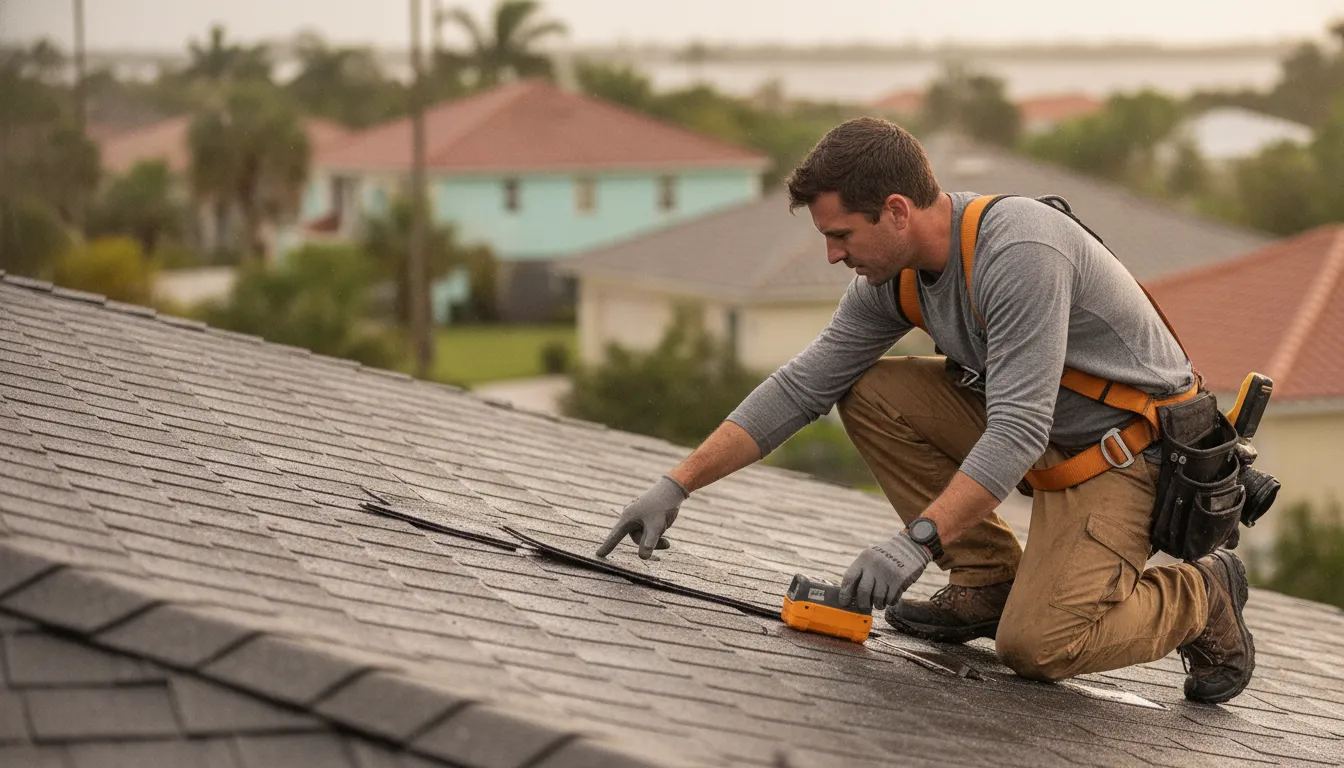
A roofing professional should lift surrounding tiles and inspect the underlayment rather than judging the roof from the ground. Broken tiles can allow wind-driven rain to reach the underlayment and cause moisture damage, according to the Florida Office of Insurance Regulation.
For localized damage, compare the findings with a qualified provider offering tile roof repair in St. Petersburg. The goal is to restore water-shedding performance without replacing materials that remain serviceable.
Signs the underlayment needs more than a tile repair
Tile replacement alone cannot solve deterioration beneath the tile surface. Underlayment commonly reaches the end of its useful life after about 20 to 30 years, even when many visible tiles remain intact.
- Water stains, damp insulation, or recurring leaks appear below the same roof areas.
- Moisture intrusion is widespread rather than limited to one damaged tile.
- Storm displacement has affected large sections of the roof.
- Broken tiles have left the roof deck or underlayment exposed.
- Repeated repairs have not stopped leaks after rain or wind events.
These conditions suggest a system-level problem involving the underlayment, flashing, fasteners, or deck. Florida guidance emphasizes that a resilient roof depends on coordinated deck, framing, fasteners, and covering, not the tile surface alone.
How to make a sound replacement decision
Start with an inspection that documents tile condition, underlayment age, leak locations, storm displacement, and deck exposure. Ask whether the proposed work addresses the source of failure or only its visible symptom.
Material selection also affects the recommendation. Clay tiles are naturally resistant to rot and insects, while concrete tiles are durable but heavier and may require structural review. Both materials can suffer impact damage, so the inspection should consider the entire assembly.
When replacement is justified, request a written scope that separates repairs from full-system work. Include underlayment, flashing, ventilation, deck repairs, permits, disposal, and replacement tiles.
For budgeting context, review the factors that influence roof replacement cost in St. Petersburg. A professional assessment can help distinguish a manageable repair from a replacement that prevents recurring damage.
Frequently Asked Questions
What is the average cost to replace a tile roof?
Tile roof replacement costs depend on roof size, pitch, tile selection, structural work, underlayment, and access. A local estimate is more useful than a national average because Tampa Bay labor, permits, storm requirements, and existing roof conditions vary.
How often does a tile roof need to be replaced?
Clay and concrete tiles can last 50 to 100 years, while the underlayment may need replacement sooner. Inspecting the underlayment and flashing helps determine whether the roof needs maintenance, a system renewal, or complete replacement.
Can you replace individual roof tiles instead of the whole roof?
Yes, isolated tile replacement can make sense when damage is limited and the underlayment remains sound. Extensive underlayment decay, recurring leaks, widespread breakage, or storm displacement may require a broader replacement.
What are the disadvantages of tile roofs?
Tile roofs have higher upfront costs, substantial weight, and brittle surfaces that can crack under impact. A professional structural analysis should confirm that the roof deck and rafters can support the selected system, as recommended by the University of Florida’s insurance guidance.
Is tile roof replacement necessary after storm damage?
Not always. An inspection can identify broken or displaced tiles, fastener problems, and moisture intrusion. Damaged tiles should be addressed promptly because exposed underlayment can allow wind-driven rain to cause water damage, according to the University of Florida.
Ready to Plan Your Tile Roof Replacement?
A professional inspection can clarify whether your tile roof needs targeted repairs or a complete replacement. It also helps identify underlayment, flashing, and storm-related concerns before you choose a path. Schedule a free roof inspection for practical guidance tailored to your Tampa Bay home. Call (727) 361-6905 to schedule your free roof inspection.