When you discover a flood, your first instinct might be to grab some towels and a mop. While the desire to act is understandable, DIY cleanup often creates more problems than it solves. Floodwater is frequently contaminated, and hidden moisture can lead to dangerous mold and structural damage you can’t see. Choosing professional help isn’t just about convenience; it’s about protecting your health and your home’s integrity. Here’s what you need to know about the hidden dangers and the expert process for a safe flood cleanup St. Petersburg FL, from water extraction to sanitization.
Key Takeaways
- Prioritize your immediate actions: Before cleaning, ensure the area is safe from electrical hazards. Then, thoroughly document all damage with photos and videos before calling your insurance provider and a professional restoration company.
- Recognize the limits of DIY cleanup: Floodwater often contains unseen contaminants, and moisture trapped in walls can cause rapid mold growth. Professionals use specialized equipment to safely sanitize the area and completely dry your home’s structure.
- Choose your restoration partner carefully: Select a local, licensed, and insured company that guarantees 24/7 emergency availability. Asking if they can help with your insurance claim will also simplify the recovery process for you.
Home Flooded in St. Petersburg? Here’s What to Do First
Seeing your home flooded is a deeply stressful experience. It’s easy to feel overwhelmed and unsure of where to even begin. Before you do anything else, take a deep breath. The next few hours are critical, and following a clear plan can make all the difference in protecting your property and your peace of mind. These are the four immediate steps you should take to manage the situation safely and effectively.
First, Make Sure Everyone Is Safe
Before you think about saving a single item, your first priority is the safety of you and your family. Floodwater can hide serious dangers, from electrical hazards to harmful bacteria and contaminants. Trying to handle the cleanup yourself can expose you to these risks. It’s best to stay out of standing water if you can. If you must enter, wear protective gear like boots and gloves. Turn off the main power to your home if you can do so safely from a dry location, but never attempt this if you have to stand in water.
Next, Document All the Damage
Once you’re sure the immediate area is safe to access, your next job is to become a detective. Before you move or clean anything, thoroughly document the extent of the damage for your insurance claim. Use your phone to take as many photos and videos as possible. Capture the high-water marks on the walls, damaged furniture, and affected areas from multiple angles. The City of St. Petersburg sometimes requests photos from residents to assess city-wide damage, so your documentation is incredibly valuable.
Then, Call Your Insurance Company
With your initial documentation in hand, it’s time to contact your insurance agent. Call them as soon as possible to report the flood and start the claims process. Your agent will walk you through the specific steps your policy requires, explain your coverage, and schedule an adjuster to visit your property. Be prepared to provide them with the photos and videos you just took. Acting quickly here gets the official process moving, which is a crucial step toward getting your home back to normal.
Finally, Call for Professional Flood Cleanup
Finally, you need to call a professional restoration team. Water damage gets worse the longer it sits, leading to structural issues and dangerous mold growth. A certified team can begin the water damage restoration process immediately, even before your insurance adjuster arrives. Professionals have the industrial-grade equipment needed to extract standing water, dry out your home’s structure, and sanitize the area. Getting experts on-site quickly is the single best way to prevent further damage and ensure your home is restored safely and completely.
What to Expect from a Professional Flood Cleanup Crew
When you call in a professional team after a flood, you’re getting much more than a simple cleanup crew. True flood restoration is a multi-step process designed to safely and completely return your home to its pre-damage condition. It requires specialized equipment, technical expertise, and a systematic approach to prevent long-term problems like structural damage and mold. A professional service handles every stage, from the initial emergency response to the final repairs. This ensures that hidden moisture is found, contaminants are properly handled, and your home is made safe and sound again. Let’s walk through what you can expect from a professional flood cleanup.
Water Removal and Extraction
The first and most urgent step is to get the standing water out of your home. Professionals don’t just use mops and buckets; they bring in powerful, truck-mounted extraction systems and submersible pumps to remove large volumes of water quickly. Getting the water out fast is critical because it immediately stops the clock on further damage to your flooring, drywall, and furniture. A rapid response for water damage restoration can make a huge difference in what can be salvaged, saving you stress and money in the long run.
Drying and Dehumidifying the Area
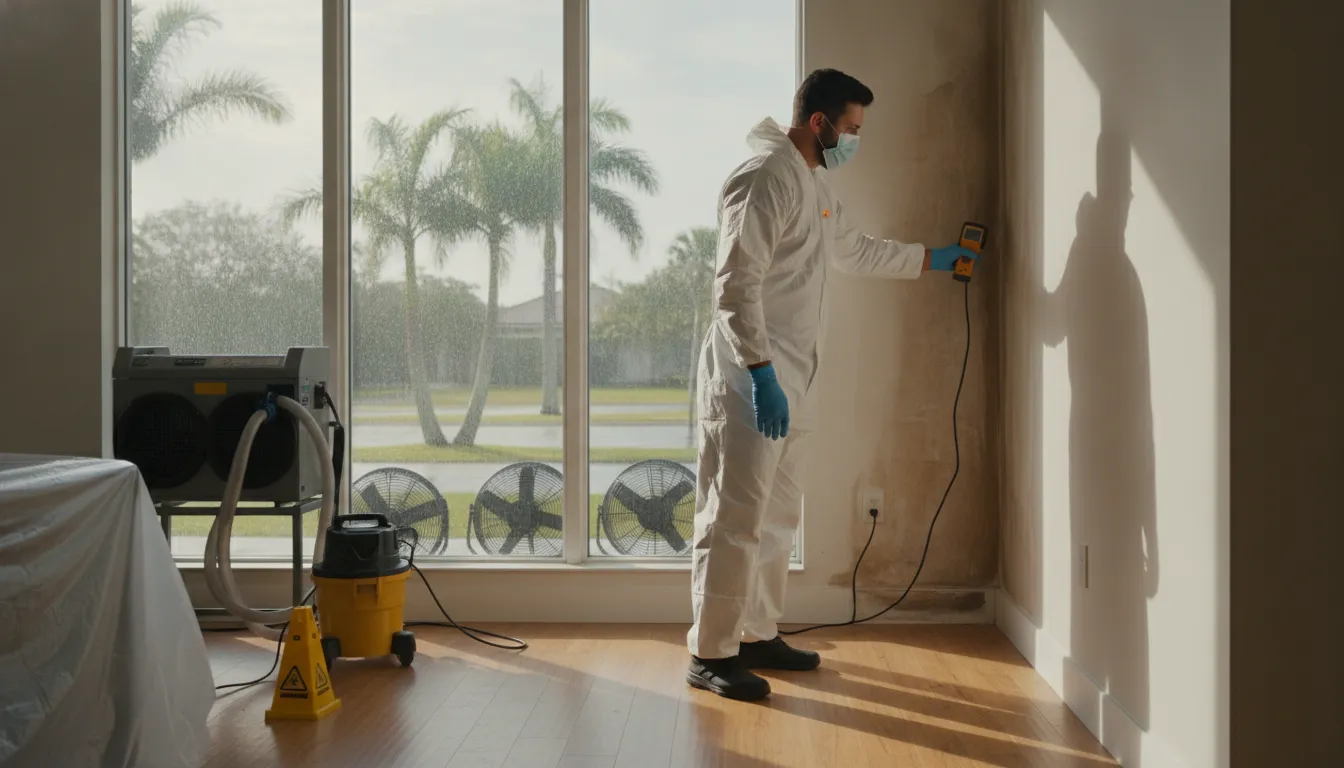
Once the visible water is gone, the real drying process begins. Water is sneaky and seeps deep into porous materials like wood studs, subfloors, and drywall. To tackle this hidden moisture, professionals use specialized equipment like industrial-grade dehumidifiers and high-velocity air movers. They strategically place these tools to create optimal airflow and pull moisture out of the very structure of your home. This scientific approach is the only way to ensure your property is thoroughly dried, which is essential for preventing the warping, swelling, and deterioration of building materials.
Checking for and Removing Mold
Where there’s water, mold is often not far behind. It can begin to grow in as little as 24 to 48 hours after a flood. Professional teams are trained to spot the early signs of mold and take immediate action. The comprehensive drying process is the first line of defense, but they also use moisture meters to detect any remaining damp spots where mold could thrive. If mold is already present, a certified team will handle the mold remediation by containing the area, removing contaminated materials, and treating surfaces to ensure your home’s air quality is safe again.
Is Mold Testing Necessary?
This is a question I hear a lot, and the answer might surprise you. If you can see visible mold after a flood, testing is generally an unnecessary expense and delay. You don’t need a test to confirm what your eyes can already see. Since mold can begin growing in as little as 24 to 48 hours, the immediate priority should always be safe removal, not identification. A professional restoration team will focus on containing the affected area and starting the remediation process right away. They use moisture meters to find hidden damp spots where mold might be lurking, which is a far more effective approach than simply testing a visible patch. The goal is to eliminate the mold and its moisture source to protect your home’s air quality and structure.
Cleaning, Sanitizing, and Restoring Your Home
After the water is gone and the structure is dry, the final phase is putting everything back together. This starts with clearing out any debris left by the flood, which could include anything from ruined furniture to storm-related messes like branches and silt. From there, the restoration work begins. This can involve replacing drywall, installing new flooring, painting, or even more significant structural repairs. Choosing a company that offers comprehensive disaster recovery services means you have one trusted team managing the entire project, from initial cleanup to final reconstruction, making the process much smoother for you.
Specialized Cleanup Services
Sometimes, a flood cleanup requires more than just drying and repairs. Depending on the source of the water and the extent of the damage, you might need specialized services to handle biohazards or to save your personal belongings. Professional restoration companies are equipped to manage these complex situations, ensuring that every aspect of the recovery is handled safely and thoroughly. These services are crucial for protecting your health and preserving the items that make your house a home, addressing challenges that go beyond what standard cleanup can resolve.
Sewage Cleanup
If the floodwater in your home is from a sewage backup or has mixed with wastewater, it’s considered “black water” and is a serious biohazard. This type of cleanup is absolutely not a DIY job. Sewage contains dangerous pathogens and contaminants that can cause severe illness if you’re exposed. Professionals have the specialized training and personal protective equipment (PPE) to safely clean up these hazardous materials. They follow strict protocols to remove the contaminated water, disinfect all affected surfaces, and ensure your home is free from harmful bacteria, making it safe for you and your family to occupy again.
Packout and Contents Restoration
When a flood damages your home, it’s often necessary to remove your belongings to prevent further harm and allow for proper restoration of the space. This process is called a “packout.” A professional crew will carefully inventory, pack, and transport your items—from furniture and electronics to photos and documents—to a secure, off-site facility. There, specialists will work to clean, sanitize, and restore them to their pre-damage condition. This service is invaluable for saving cherished possessions and minimizing your losses, giving your belongings the best possible chance of recovery while the work on your home proceeds.
Common Flood Cleanup Risks for St. Pete Homeowners
When you discover floodwater in your home, your first instinct is probably to grab a mop and bucket. While that proactive spirit is admirable, tackling flood cleanup on your own comes with serious risks. Here in St. Pete, floodwater isn’t just water; it’s a complex problem that can lead to lasting damage and health issues if not handled correctly. Understanding these challenges is the first step toward a safe and effective recovery.
St. Petersburg’s High Flood Risk
Living in St. Petersburg means accepting that flooding is a part of life here. It might surprise you to learn that virtually every property in our area is located in a flood zone. This isn’t just about the inconvenience of high water; it’s about the hidden dangers it brings into your home. Floodwater is often a toxic mix of sewage, chemicals, and bacteria, making it unsafe to handle without proper protection. Even after the water recedes, moisture gets trapped in walls and floors, creating the perfect environment for mold to grow within just a day or two. You can even check your property’s specific flood risk to better understand what you’re up against. This is why professional water damage restoration is so critical; it’s not just about cleaning up, but about making your home truly safe again.
Understanding Contaminated Floodwater
One of the biggest mistakes homeowners make is underestimating how hazardous floodwater can be. This water is often contaminated with everything it has touched on its way into your home, including sewage, chemicals, bacteria, and other unseen pollutants. This is what professionals call “black water,” and it can cause significant health problems if you come into contact with it. Trying to handle this without the right protective gear and cleaning agents puts you and your family at risk. Proper water and flood damage restoration involves safely removing this contaminated water and sanitizing every affected surface to ensure your home is truly clean and safe again.
How to Avoid Electrical Hazards
Water and electricity are a lethal combination. Entering a flooded area before the power has been shut off is incredibly dangerous and can lead to electrocution. Even if the power is out in your neighborhood, you should never assume your home’s electrical system is safe. If you can safely access your home’s main breaker from a dry location, you should turn it off immediately. However, if you have any doubt, do not enter the water. A professional restoration team is trained to handle these situations. They know how to safely manage the electrical system and use specialized equipment to begin the cleanup process without putting anyone in harm’s way.
Stopping Mold Before It Spreads
In Florida’s humid climate, mold is an aggressive and unwelcome guest that can appear within just 24 to 48 hours after a flood. Simply removing the standing water isn’t enough to stop it. Moisture seeps deep into drywall, wood framing, insulation, and flooring, creating the perfect breeding ground for mold. If not addressed, this can lead to serious structural issues and poor indoor air quality. Professional mold remediation is essential. It involves using industrial-grade dehumidifiers and air movers to thoroughly dry out your home’s structure and treat any affected areas to prevent mold from taking hold.
When to Call a Professional for Mold
Because mold can appear so quickly after a flood, knowing when to call for help is key. If you smell a musty odor or see visible discoloration on walls or furniture, it’s a clear sign you need an expert. But even if you don’t see or smell anything, a professional assessment is crucial after any significant water event. Trained teams can spot the very first signs of growth and use tools like moisture meters to find hidden damp spots where mold thrives. If mold is discovered, a certified team will perform a full mold remediation. This involves containing the area to prevent spores from spreading, safely removing contaminated materials, and treating surfaces to ensure your home’s air is healthy and safe to breathe again.
Finding and Fixing the Moisture Source
Simply scrubbing away visible mold is like putting a bandage on a bigger problem. If the underlying moisture issue isn’t resolved, the mold will inevitably return. Moisture from a flood doesn’t just sit on the surface; it seeps deep into your home’s drywall, insulation, and wood framing, creating a constant source for new growth. A key part of professional water damage restoration is identifying and fixing the source of this moisture. Whether it’s a lingering pocket of dampness from the flood or a separate issue like a leaky pipe, experts have the tools to find it and ensure the structure is completely dry, stopping the cycle of mold for good.
Mistakes That Can Make Flood Damage Worse
In the rush to fix the problem, it’s easy to make mistakes that actually make the damage worse. Using a standard vacuum to remove water can ruin the appliance and create an electrical hazard. Waiting too long to call for help allows water to soak deeper into your home’s structure, leading to more extensive and expensive repairs. Another common error is only addressing the visible water without considering the hidden moisture trapped in walls and under floors. These missteps can turn a manageable situation into a major restoration project. Getting professional help with disaster recovery services from the start ensures the job is done right, saving you time, money, and stress.
How Much Does Flood Cleanup Cost in St. Petersburg?
After a flood, one of the first questions on any homeowner’s mind is, “How much will this cost to fix?” It’s a completely valid concern, but the answer isn’t a simple one. The cost of flood cleanup can vary widely because every situation is unique. While national averages can range from a few thousand dollars to well over ten thousand for severe cases, these numbers don’t tell your specific story. The final price depends on a combination of factors, from the amount of water in your home to the type of materials that were damaged. Think of it less like buying a product off the shelf and more like creating a custom recovery plan for your property. Understanding what influences the cost is the first step toward getting a clear picture of what to expect. A professional restoration team can assess your specific damage and provide a detailed breakdown, taking the guesswork out of the process and helping you plan your next steps.
Average Costs for Water and Mold Remediation
To give you a clearer idea of the investment, let’s break down the costs associated with the different stages of flood restoration. These figures are based on national averages and can help you set realistic expectations. Remember, the best way to get an exact price for your situation is to have a professional assess the damage in person. A certified team can provide a detailed, itemized estimate that reflects the specific needs of your home.
Water Removal and Drying Costs
The first phase of any professional flood cleanup is getting the water out and drying everything completely. The cost for this initial step depends heavily on how much water there is and how far it has spread. According to industry data from SERVPRO, you can generally expect the water removal itself to cost between $500 and $2,000. The more intensive drying and dehumidifying process, which is crucial for preventing mold, can add another $1,000 to $5,000. These figures reflect the use of powerful equipment and the expertise needed to ensure every bit of hidden moisture is gone from your home’s structure.
Mold Removal Costs by Area and Type
If water sits for too long, mold is almost guaranteed to follow, adding another layer to the cleanup process. The cost for professional mold remediation can vary, but industry data shows a typical range of $1,223 to $3,753. The final price tag depends on where the mold is and how bad the infestation has become. For example, tackling mold in a contained space like a bathroom might cost between $500 and $1,000, while a larger, more complex job in an attic could run from $1,000 to $4,000. This is why acting fast after a flood is so important—it helps stop mold before it becomes a bigger, more expensive problem.
Potential Costs for Structural Repairs
Once your home is clean, dry, and mold-free, the final step is repairing the damage. This is where costs can really vary. Simple flooring repairs might only be a few hundred dollars, but if the flood ruined your drywall, replacing it could cost between $1,000 and $2,900. If structural elements were affected, the price can climb even higher. This is why it’s so helpful to work with a team that handles the entire process. A full-service company can manage everything from the initial water extraction to the final reconstruction, giving you a clear and comprehensive plan for your home’s complete disaster recovery.
What Factors Affect the Final Cost?
Several key elements will shape the total cost of your flood cleanup. First is the extent of the damage. A small leak contained in one room will naturally cost less to handle than a home where water has soaked into the drywall and subflooring across multiple levels. The type of water is another major factor. Clean water from a burst supply line is less hazardous and costly to manage than “gray” or “black” water from appliances or sewage, which requires more intensive water damage restoration and sanitization procedures to ensure your home is safe. Finally, the accessibility of the affected areas can also play a role; damage in tight crawl spaces or attics may require more labor and specialized equipment to address properly.
Why You Need a Detailed, Free Estimate
This is where you can take back some control. Getting a free, no-obligation estimate is one of the most important actions you can take after a flood. This isn’t just about getting a price; it’s about getting a professional assessment of the damage and a clear, detailed scope of the work required. A thorough estimate from a trusted team will outline every step, from water extraction to drying and repairs. According to FEMA’s National Flood Insurance Program, a detailed estimate helps homeowners make informed decisions and budget for recovery. It allows you to understand the process, ask questions, and feel confident in the plan before any work begins. You can contact us anytime for a comprehensive and transparent estimate.
Choosing the Right Flood Cleanup Service in St. Pete
When your home is flooded, the company you hire to handle the cleanup can make all the difference in your recovery. It’s a decision that impacts your timeline, your budget, and your peace of mind. With so many options out there, it helps to know what separates a great restoration partner from the rest. The right team will not only have the technical skills to restore your property but will also support you through every step of the process. When you start making calls, focus on finding a licensed, experienced, and responsive company that offers comprehensive services tailored to your situation. Thinking about a few key factors beforehand will help you choose a team you can truly rely on when you need it most.
The Advantage of a Local St. Pete Team
When you’re dealing with flood damage, hiring a local company offers some real advantages. A team based in St. Petersburg understands the specific challenges our area faces, from seasonal storms to local building codes. They’re your neighbors, and their reputation in the community is on the line with every job they do. Choosing a local, trusted team means you’re working with professionals who are invested in seeing our community recover and thrive. They can often respond faster than out-of-town companies and have established relationships with other local suppliers and experts, which can help streamline your restoration project from start to finish.
Serving Neighborhoods Across St. Petersburg
St. Petersburg is a city of unique neighborhoods, each with its own charm and, unfortunately, its own specific risks when it comes to flooding. Whether you’re in a historic home in Old Northeast, a waterfront property in Shore Acres, or a modern condo downtown, water damage can strike anywhere. A truly local restoration team understands this landscape. We know that a storm surge affecting the beaches presents different challenges than heavy rainfall causing problems in Central Oak Park. This familiarity means we can respond faster and more effectively, because we’re already acquainted with the area’s specific needs. When you need help, you want a team that can get to you quickly, whether you’re in Kenwood or Coquina Key, ready to begin the disaster recovery services your home requires.
Look for Proper Licensing and Insurance
Before you let any team start working on your home, it’s essential to verify their credentials. A professional restoration company should be fully licensed and insured. This protects you from any liability and ensures they are held to industry standards. Ask if their technicians are certified and trained in water damage restoration. Properly trained professionals will use specialized equipment like industrial-grade fans and dehumidifiers to dry your home thoroughly and prevent long-term issues. Don’t hesitate to contact us to ask for proof of licensing and insurance; any reputable company will be happy to provide it.
Do They Offer 24/7 Emergency Service?
Floods don’t stick to a 9-to-5 schedule, and neither should your restoration company. Water damage worsens with every passing hour as moisture seeps deeper into walls, flooring, and furniture, creating the perfect environment for mold. That’s why you need a team that offers 24/7 emergency assistance. A company that can be at your door right away, day or night, is crucial for minimizing the damage and starting the cleanup process immediately. Prioritize services that guarantee a rapid response, as this is a clear sign they understand the urgency of your situation and are equipped for true disaster recovery services.
Will They Help You with Insurance Claims?
Dealing with an insurance claim while your home is flooded can feel completely overwhelming. A top-tier restoration company will do more than just clean up the water; they will also help you with the insurance process. Ask potential companies if they work directly with insurance providers. Many can document the damage meticulously and bill your insurance company, which simplifies the process for you. Some homeowners find it helpful to call a restoration expert before their insurance agent. An experienced team can provide an accurate assessment and help you manage the claim, ensuring all the damage is accounted for in your water and flood damage report.
Questions to Ask Before You Hire a Cleanup Crew
When you’re on the phone with a potential flood cleanup service, having a few key questions ready can help you make a confident decision. Think of it as a quick interview to ensure they’re the right fit for the job. Here’s what I recommend asking:
- Are you licensed and insured to work in St. Petersburg?
- Can you provide a detailed, written estimate before work begins?
- What is your estimated response time for an emergency?
- Do you have experience with this specific type of flood damage?
- Will you help me with my insurance claim?
Having these answers will give you a clear picture of the company’s professionalism, experience, and commitment to customer support. Feel free to contact us and ask us these very questions; we’re here to help.
Get Multiple Quotes for a Fair Price
After a flood, it’s tempting to hire the first company that answers the phone, but getting a few quotes is one of the smartest moves you can make. This isn’t about finding the cheapest price—it’s about understanding what a fair price for a complete job looks like. A professional estimate is a detailed plan outlining every step of the water damage restoration process, from extraction to repairs. This detailed scope helps you compare apples to apples and make a confident decision. The cost of flood cleanup varies significantly because no two situations are alike, so don’t get too hung up on national averages. Comparing detailed estimates gives you a clearer picture of the true cost for your specific circumstances. This process helps you identify what’s driving the price and spot red flags, like a quote that seems way too high or suspiciously low. A trustworthy company provides a free, no-obligation estimate that breaks everything down. If you’re ready for a transparent assessment, you can reach out to us for a detailed quote.
How to Protect Your St. Pete Home from Future Flooding
After you’ve recovered from a flood, the thought of it happening again can be stressful. But taking proactive steps now can make a huge difference in protecting your property down the road. Living in a beautiful coastal area like St. Petersburg means being prepared is part of homeownership. By focusing on a few key areas, you can significantly reduce your risk and gain peace of mind, knowing you’ve done everything possible to safeguard your home from water damage. These preventative strategies don’t have to be complicated. They range from simple yard maintenance to more permanent installations. Think of it as an investment in your home’s safety and your family’s well-being. A little preparation today can prevent a major headache tomorrow, keeping your home safe, dry, and secure when the next big storm rolls through.
Improve Your Home’s Drainage
Your yard is your first line of defense against flooding. Proper grading and drainage can direct water away from your foundation, preventing it from seeping inside. Make sure your lawn slopes away from the house and that gutters and downspouts are clear of debris. Water should be channeled at least ten feet away from your home. The City of St. Petersburg often provides resources like sandbags to help residents in vulnerable areas like Shore Acres and Riviera Bay prepare for potential flooding. Keeping your property’s drainage systems in good working order is a simple but powerful way to protect your home from excess water during heavy rains.
Consider Flood-Proofing Upgrades
For an even higher level of protection, consider installing permanent flood prevention measures. This can include installing flood barriers or vents in your foundation, which allow water to flow through instead of building up pressure against your walls. A sump pump in your basement or crawl space can automatically remove water that gets in. When making repairs or renovations, using water-resistant building materials can also limit the extent of future water and flood damage. These installations are a smart investment that can save you thousands in potential restoration costs and provide an essential layer of security for your property.
Schedule Regular Professional Inspections
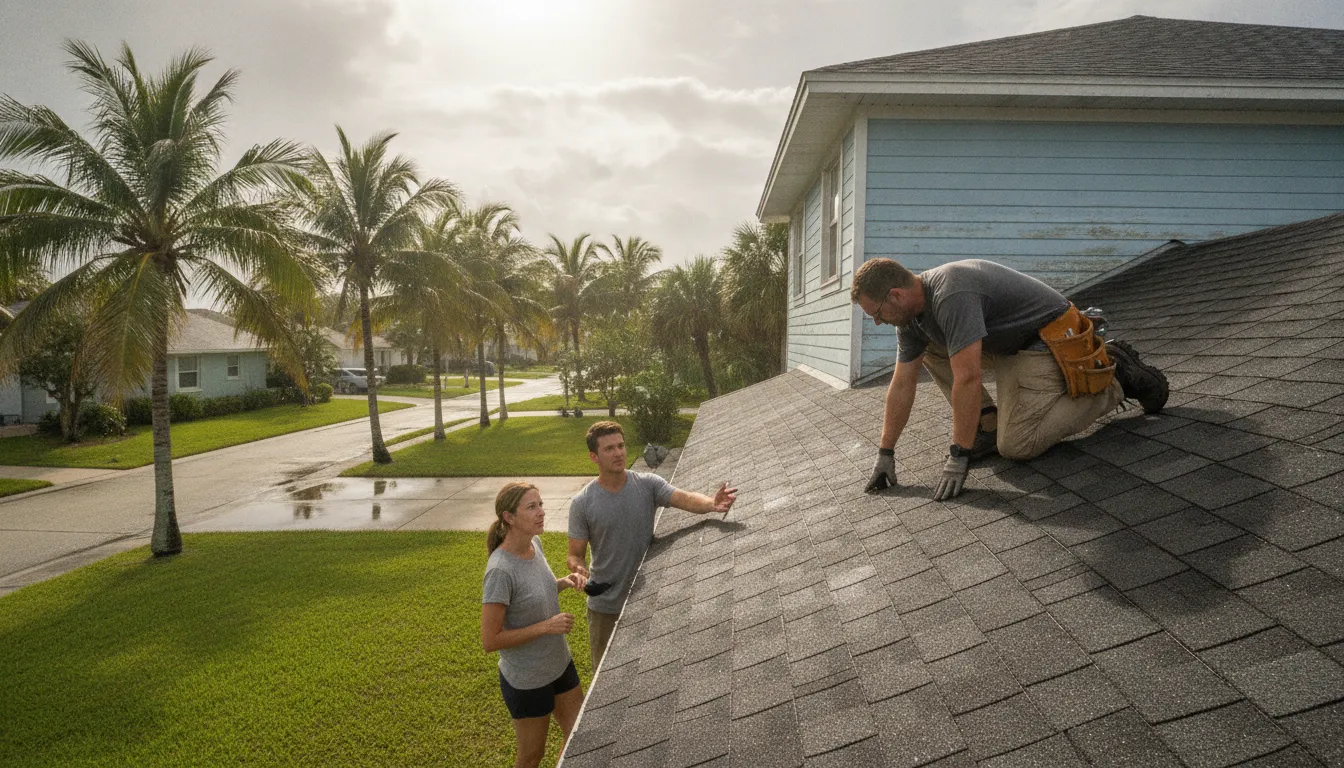
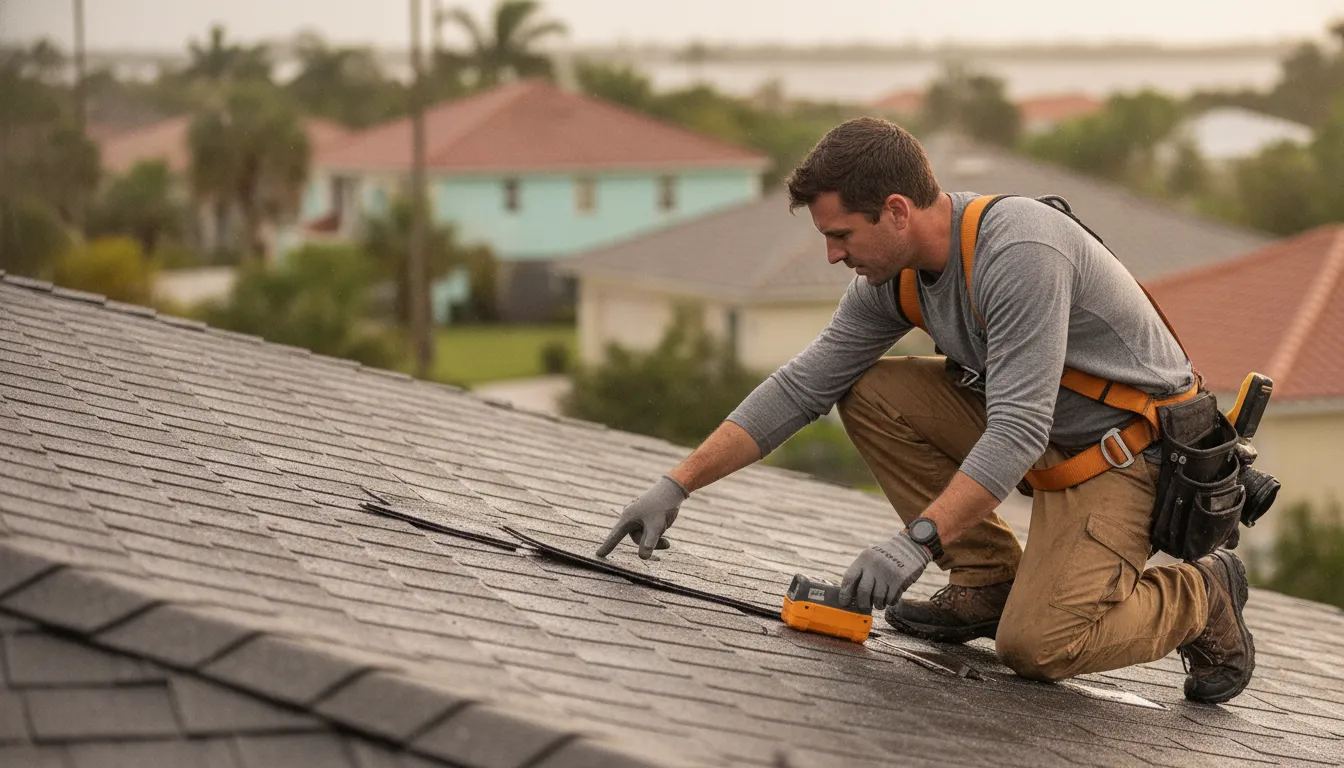
You don’t have to wait for a storm to find your home’s weak spots. Regular property inspections help you identify vulnerabilities before they become a problem. Check your foundation for cracks, inspect seals around windows and doors, and make sure your roof is in good condition. A small leak can become a major entry point for water during a heavy downpour. Professional roofing services can spot issues you might miss, ensuring your roof is ready to handle Florida’s intense weather. Consistent check-ups are one of the most effective ways to stay ahead of potential flood damage and maintain your home’s structural integrity year-round.
Related Articles
- Flood Damage Recovery St. Petersburg, FL | Go Time
- St. Petersburg Flood Zone: Hurricane Protection in Florida
Frequently Asked Questions
Should I call my insurance company or a restoration company first? This is a great question, and you’ll find different opinions on it. My advice is to call a professional restoration company first. An experienced team can get to your home immediately to assess the situation and begin preventing further damage, which is critical in the first few hours. They can also provide expert documentation that will be invaluable for your insurance claim, ensuring the full scope of the damage is recorded from the very beginning. How long does the flood restoration process usually take? The timeline for flood restoration really depends on the extent of the damage. A small, contained issue might only take a few days, while a more significant flood affecting multiple rooms and structural materials could take several weeks. The process involves several stages, including water extraction, thorough drying with specialized equipment, and any necessary repairs or mold remediation. A professional team can give you a more accurate timeline after they assess your specific situation. Can I just clean up a minor flood myself? Even if a flood seems minor, handling it yourself can be risky. The biggest concern is the water you can’t see, which soaks into drywall, subfloors, and insulation. Without industrial-grade drying equipment, this hidden moisture can lead to serious mold growth and structural problems. Plus, floodwater can contain harmful contaminants. It’s always safer and more effective to have a professional ensure your home is completely dry and sanitized. Do I have to move out of my house during the cleanup? Whether you need to temporarily relocate depends on the severity of the flood and the areas affected. If the damage is isolated to one room, you might be able to stay. However, for larger projects, the noise from drying equipment and the general disruption can make it difficult to live at home. Safety is also a factor, especially if there are electrical hazards or significant contamination. Your restoration team will be able to advise you on the safest and most practical course of action. Will my homeowners insurance cover all the flood damage? Insurance coverage for water damage can be complex. Standard homeowners policies often cover damage from internal sources, like a burst pipe, but may not cover flooding from external sources, like a storm surge. That often requires a separate flood insurance policy. The best way to know for sure is to review your policy and speak directly with your insurance agent. A professional restoration company can work with your insurance provider and provide the detailed documentation needed to support your claim.