Is your yard trying to tell you something? A mysterious puddle that never dries up, a patch of grass that’s suddenly greener than the rest, or a faint hissing sound you can’t quite place might seem like small quirks. But these aren’t random occurrences; they are often the first clues of a serious problem hiding just beneath the surface. An underground pipe leak can do significant damage before you ever see a drop of water inside. Learning to recognize the signs of a burst pipe outside turns you into your home’s best detective, empowering you to spot trouble early and protect your property.
Key Takeaways
- Look for clues outside and inside your home: A burst pipe often reveals itself through soggy spots in the yard, a sudden drop in water pressure at your faucets, or an unexpected spike in your water bill.
- Your immediate response is critical: The most important first step is to shut off your home’s main water supply; this action stops the leak from causing more damage while you arrange for professional restoration.
- Proactive maintenance is your best defense: You can prevent many pipe-related disasters with simple upkeep, such as insulating exposed pipes, disconnecting hoses in cold weather, and scheduling regular plumbing inspections.
How to Spot a Burst Pipe Outside
A burst pipe inside your home is hard to miss, but what about one that’s underground? The signs can be much more subtle. Since your main water line runs from the street to your house through your yard, a leak can go unnoticed for a while, quietly causing damage and running up your water bill. The good news is that your property will give you clues if you know what to look for. Paying attention to small changes in your yard and inside your home can help you catch a problem early and call for professional help before it gets worse.
Wet or Spongy Spots in Your Yard
Take a walk around your yard and pay attention to how the ground feels under your feet. Do you notice any areas that are unusually soft or spongy? A burst pipe underground will constantly release water, saturating the soil and creating soggy, marshy patches that never seem to dry out, even on a sunny St. Petersburg day. You might also spot small sinkholes or persistent mud forming where the ground has become overly saturated. If an area of your lawn feels like a wet sponge and there hasn’t been any recent rain, it’s a strong indicator that you have a leak hiding just below the surface.
Puddles That Never Dry
We’re used to afternoon showers in Florida, but puddles from a rainstorm should eventually dry up under the sun. If you have a persistent puddle in your yard that sticks around for days without any new rain, it’s a major red flag. This standing water is often a direct sign that a pipe has burst and is continuously leaking water into that specific spot, preventing it from ever drying out. Don’t dismiss a mysterious puddle as just a low spot in your yard; it’s one of the most obvious signs of an underground plumbing issue that needs immediate attention.
Patches of Unusually Green Grass
It might seem strange, but a patch of grass that is suddenly much greener and healthier than the rest of your lawn can signal a problem. When a water line leaks, it acts as a constant, targeted source of irrigation for the grass directly above it. This extra water, combined with nutrients from the surrounding soil, can make that one spot look incredibly lush and grow noticeably faster than the surrounding turf. While it might look like a sign of a healthy lawn, this out-of-place patch of vibrant green is often a clear indicator of a hidden leak that needs to be addressed.
Strange Odors Coming from the Ground
Your nose can be a great tool for detecting hidden plumbing problems. If you notice a musty or sewer-like smell coming from your yard, especially near any soggy patches, it could be from a broken pipe. Stagnant water from a leaking water line can create a distinct, unpleasant odor as it soaks into the soil and bacteria begins to grow. If the smell is particularly foul, it could also point to a break in a sewer line, which is a more serious issue. Either way, an unusual smell coming from the ground is a clear signal to investigate further.
Cloudy or Discolored Tap Water
The signs of an outdoor pipe burst can also show up inside your home. If your tap water suddenly looks brown, rusty, or has dirt particles floating in it, a break in the main water line is a likely culprit. A compromised pipe allows soil, sediment, and other contaminants from your yard to get into your clean water supply. You might also notice an earthy or unpleasant smell coming from your tap water. This is not only a sign of a serious leak but also a potential health risk, so it’s important to address it right away with professional water damage restoration.
Check for Changes in Water Pressure
One of the most reliable clues of an outdoor pipe burst happens right inside your home. If you suddenly notice that your showers feel weaker or your faucets are sputtering, don’t just write it off as a municipal issue. A significant and sudden drop in water pressure is a classic sign that water is escaping from a pipe somewhere between the city’s main line and your house. Think of it this way: your plumbing system is a closed, pressurized loop. When a pipe bursts underground, that loop is broken, and the pressure immediately drops. The water that should be flowing forcefully to your taps is instead leaking out into your yard, following the path of least resistance. This loss of volume directly translates to a loss of pressure at the faucet. It’s an easy sign to miss if you aren’t paying attention, especially in a busy household, but it’s often the first and most direct warning you’ll get. Paying attention to how your water flows can help you catch a serious problem before it causes more extensive damage.
Test the Pressure at Different Faucets
To confirm if the pressure drop is a system-wide problem, take a quick tour of your home. Turn on the kitchen sink, the bathroom faucet, and the shower. If you notice a consistent lack of force at every fixture, it strongly suggests the issue is with your main water line, not an isolated clog or a faulty faucet. A sudden drop in how strong the water comes out can mean it’s leaking somewhere before it even reaches your house. This widespread weakness is a major red flag. If the pressure is low everywhere, it’s a clear signal that you may need professional water damage restoration to locate and fix the source of the leak.
Notice Any Sudden Drops in Flow
The key thing to watch for is a sudden change. While a gradual decrease in water pressure over months or years might point to mineral buildup in your pipes, an abrupt drop is much more alarming. If your water pressure was perfectly fine yesterday but is noticeably weak today, it’s a strong indicator of a new break in the line. This happens because a burst pipe creates an immediate escape route for a large volume of water. That sudden diversion means less water is making it into your home, causing the flow to weaken significantly. Don’t ignore this change; it’s your plumbing system’s way of telling you something is wrong right now.
How Low Pressure Can Signal an Outdoor Leak
When a pipe bursts underground, it begins releasing water into the surrounding soil. This leak acts like an open valve, diverting a steady stream of water away from its intended path to your home. The result is a noticeable drop in pressure at all your indoor fixtures. A sudden decrease in water pressure is a telltale sign of a leak, especially when you see it alongside other clues like soggy spots in your yard or a surprise increase in your water bill. When these signs appear together, it creates a compelling case for a burst pipe outside. Acting quickly can help you address the water damage before it leads to foundation issues or other serious structural problems.
Listen for Telltale Sounds
Sometimes, the first sign of a burst pipe isn’t something you see, but something you hear. Your home’s plumbing system should be relatively quiet when you’re not using any water. If you start noticing strange noises coming from your walls or the ground outside, it’s time to pay close attention. These sounds are often the earliest warnings of a leak, giving you a chance to act before the damage gets worse. Listening carefully can help you pinpoint a problem that’s hidden from sight.
Hissing Noises Underground
A faint hissing sound coming from your yard or walls when no water is running is a classic sign of a leak. This noise often means air is entering the pipe through a crack or break as water escapes. The sound can be subtle, so you might need to get close to the ground to hear it. Try walking the path of your main water line from the street to your house. If you hear a persistent hiss, it’s a strong indicator that a pipe has been compromised and is leaking water underground. This isn’t a sound to ignore, as it points to a continuous water loss that can damage your property.
Bubbling or Gurgling
Bubbling or gurgling sounds are another auditory clue that you have a problem. When an underground pipe bursts, the escaping water saturates the soil around it. These noises are created as water and air mix in the waterlogged ground. You might hear them near where the pipe is buried or even coming from your drains as the pressure changes in the system. Don’t dismiss these sounds as normal house settling; they often point directly to a hidden leak that needs immediate attention. Think of it as your plumbing system trying to tell you something is wrong just beneath the surface.
The Sound of Running Water with Faucets Off
This is one of the most straightforward signs of a burst pipe. If you’ve made sure all the faucets, toilets, and appliances like your dishwasher and washing machine are turned off, you shouldn’t hear any water running. If you can still hear the distinct sound of flowing water in your walls or underground, you almost certainly have a leak. This continuous flow means water is escaping somewhere it shouldn’t be. When you hear this, it’s a clear signal that you need professional water and flood damage restoration to find the source and fix the problem.
Let Your Water Bill Be Your Guide
Sometimes, the first sign of a burst pipe isn’t a puddle in your yard but a number on a piece of paper. Your monthly water bill is one of the most reliable tools for detecting hidden outdoor leaks. While a small drip might not seem like a big deal, it can waste a surprising amount of water over time, and a sudden pipe burst can cause your bill to skyrocket. Paying close attention to your usage can help you catch a problem early before it leads to more significant damage.
Compare Your Monthly Bills
Make a habit of looking at your water bills side-by-side each month. A little variation is normal, especially if you’re watering your lawn more during a dry spell. However, a sudden, unexplained increase of 20% or more is a major red flag. If your daily routines haven’t changed but your bill has jumped significantly, you likely have a leak somewhere on your property. Pull out your last few statements and compare the usage totals. A consistent upward trend or a sharp spike is your cue to start investigating.
Identify Sudden Spikes in Usage
A sudden jump in your water bill when your habits have stayed the same almost always points to a hidden leak. A burst pipe underground can run 24/7, wasting hundreds of gallons of water without you even knowing it. This isn’t about a dripping faucet; it’s about a constant flow of water that you’re paying for. The EPA’s Fix a Leak Week highlights how even small household leaks can waste thousands of gallons per year, so an outdoor pipe burst can have a much larger impact on your bill.
Understand What’s Normal vs. Abnormal
Every household has a baseline for water usage. Once you know what’s normal for your family, it’s much easier to spot an abnormality. If your bill is unusually high but you know you haven’t been using extra water, you can be fairly certain a leak is the cause. This is your signal to walk your property looking for other signs or to call a professional. Catching it early not only saves you money on your water bill but also helps you avoid extensive water damage restoration down the road.
Where to Find Physical Evidence of a Leak
Sometimes, a burst pipe doesn’t announce itself with a geyser. The signs can be much more subtle, showing up as gradual changes to your yard and home’s exterior. If you know what to look for, you can spot the physical clues of an underground leak before it causes major problems. Think of it as a scavenger hunt, where finding the evidence early can save you a lot of headaches and money. Here are the key areas to inspect around your property.
Inspect Near Outdoor Water Lines and Fixtures
One of the most straightforward signs of a leak is a patch of ground that’s always wet. Take a walk around your yard and pay close attention to the area around outdoor spigots and along the path of your main water line. If you find puddles or soggy spots that never seem to dry up, even on sunny Florida days, you likely have a leak. This persistent moisture is a clear signal that water is escaping from a pipe underground. Ignoring it can lead to soil erosion and more significant water damage, so it’s important to investigate these wet areas as soon as you notice them.
Check Around Your Sprinkler System
Your irrigation system is another common source of hidden leaks. Sprinkler lines are often close to the surface and can be damaged by shifting soil, lawn equipment, or invasive tree roots seeking moisture. Look for areas of your lawn that are unusually spongy or have standing water, particularly around sprinkler heads or along the known path of the pipes. You might also notice that one zone of your sprinkler system has significantly lower pressure than the others. These are all telltale signs that a line has been compromised, wasting water and potentially damaging your lawn’s root system.
Look for Cracks in Your Foundation or Driveway
This is a sign you definitely don’t want to ignore. A significant underground leak can saturate and soften the soil supporting your home’s foundation, driveway, or sidewalks. As the ground shifts from this excess moisture, it can cause concrete to crack and settle. If you suddenly see new cracks appearing in your foundation or notice that your driveway has developed uneven sections, a burst pipe could be the underlying cause. Addressing the source of the water is the first step in preventing further structural issues and beginning any necessary disaster recovery services.
Note Changes in Soil or Plant Life
Your lawn can give you subtle hints about a hidden leak. Have you noticed a patch of grass that is suddenly much greener and lusher than the rest of your yard? While it might look nice, this could be because it’s getting a constant supply of water from a leaking pipe below. This extra “fertilizer” can make the grass in that one spot grow noticeably faster. Conversely, you might see soil that is eroding or sinking, creating dips in your yard. Both of these changes in your landscape are worth a closer look, as they often point directly to the location of an underground leak.
See an Increase in Insect Activity
If you notice a sudden swarm of insects in a specific part of your yard, it might be more than just a nuisance. Pests like mosquitoes, roaches, and ants are drawn to damp environments and standing water. An unexplained increase in their activity can be a sign that a leaking pipe is creating the perfect breeding ground for them. This is especially true if the leak is from a sewer line, which can attract a wider variety of pests. If you’re seeing more bugs than usual, it’s a good idea to contact a professional to determine if a hidden leak is the root cause.
What to Do Immediately if You Suspect a Burst Pipe
Discovering a burst pipe outside your home can feel overwhelming, but taking the right steps quickly can make all the difference. Your immediate goal is to stop the water flow and prevent the situation from getting worse. By acting fast, you can protect your property from extensive water damage, foundation issues, and even mold growth down the line. The following steps provide a clear action plan to help you handle the situation calmly and effectively.
Shut Off Your Home’s Main Water Supply
Before you do anything else, find and turn off your home’s main water supply. This is the most important step to prevent more water from flooding your yard and damaging your home’s foundation. Stopping the water at its source is your first line of defense. The main shut-off valve is often located near your water meter, in an outside utility box, or where the water line enters your house. Turning it off stops the leak and gives you time to assess the situation without causing more harm.
Document the Damage for Your Insurance Claim
Once the water is off, grab your phone and start taking photos and videos. This step is crucial for your insurance claim. Document everything you see: soggy areas, visible puddles, and damage to your landscaping, driveway, or foundation. Get close-up shots of the suspected pipe location and wider shots to show the full scope of the area. Clear documentation helps your insurance company process your claim efficiently, so be as thorough as possible. It’s better to have too many photos than not enough.
Call for Emergency Water Damage Restoration
A burst pipe is not a DIY project. It requires professional expertise to locate the break, make repairs, and address resulting damage. After shutting off the water, your next call should be to a trusted restoration company. A professional team can manage the complete water damage restoration process, from repair to cleanup. They have the right equipment to remove standing water and dry the area properly, preventing long-term problems like mold and structural weakness. Don’t wait, give our team a call for an immediate response.
How to Prevent Outdoor Pipes from Bursting
A burst pipe can cause a massive headache and significant damage. The good news is that you can take a few proactive steps to protect your home’s plumbing. Staying ahead of potential problems is always easier and less expensive than dealing with the aftermath. A little bit of prevention goes a long way in keeping your property safe and dry. These simple maintenance tasks can save you from the stress of unexpected leaks and costly repairs.
Insulate Exposed Pipes and Fixtures
Even in sunny Florida, an unexpected cold snap can put your pipes at risk. Any pipes located in unheated areas like crawl spaces, garages, or along exterior walls are vulnerable. Wrapping these pipes with foam insulation sleeves is a simple and effective way to protect them from temperature drops. You can find these materials at any local hardware store. Taking an hour to insulate exposed pipes can prevent them from freezing and bursting, saving you from a major water damage restoration project down the road. It’s a small investment of time for a huge amount of peace of mind.
Disconnect Hoses Before Cold Weather Hits
One of the easiest preventive measures you can take is to manage your outdoor spigots. Before temperatures dip, make sure to disconnect all garden hoses. Water trapped inside a hose and spigot can freeze, expand, and crack the pipe. After you’ve disconnected the hose, find the indoor shut-off valve for that spigot and turn it off. Then, go back outside and open the spigot to let any remaining water drain out completely. This simple routine ensures the line is empty and removes the risk of a freeze-related burst right at your foundation.
Keep an Eye on Your Water Pressure
Your home’s water pressure might not be something you think about often, but it plays a big role in your plumbing’s health. Consistently high pressure puts a lot of strain on your pipes and fittings, weakening them over time. Ideally, your home’s water pressure should be around 60 PSI. If it creeps over 80 PSI, the risk of a burst pipe increases significantly. You can check this yourself with an inexpensive pressure gauge from a hardware store. If the pressure is too high, a plumber can install a pressure regulator to keep it in a safe range.
Schedule Regular Plumbing Maintenance
Just like your car, your home’s plumbing system benefits from regular check-ups. Scheduling an annual inspection with a qualified plumber can help you catch small issues before they turn into disasters. A professional can spot early signs of trouble, like corrosion, rust, or tiny leaks that are easy to miss. This proactive approach allows you to address weak points in your system on your own terms, rather than in an emergency. Regular maintenance is a key part of responsible homeownership and helps protect your property from needing unexpected disaster recovery services.
When to Call a Professional
While it’s tempting to handle home repairs yourself, a burst pipe is one of those situations where calling for backup is the smartest move. The damage from an outdoor leak can spread quickly, affecting your yard, foundation, and even your home’s interior. Getting a professional involved early ensures the problem is handled correctly from the start, saving you from bigger headaches later. If you find yourself in any of the following situations, it’s time to pick up the phone. A trained team can not only fix the immediate issue but also protect your property from long-term complications like structural damage and mold.
You Need an Emergency Response
When a pipe bursts, every minute counts. The most critical first step is to stop the flow of water to prevent further damage to your property. If you’re dealing with major flooding or can’t locate your main water shut-off valve, you need help immediately. A professional water damage restoration team is equipped for this exact scenario. We can respond quickly to stop the leak, remove standing water, and begin the drying process right away. An emergency response is essential for minimizing damage and getting your home back to normal as soon as possible.
You Want a Comprehensive Damage Assessment
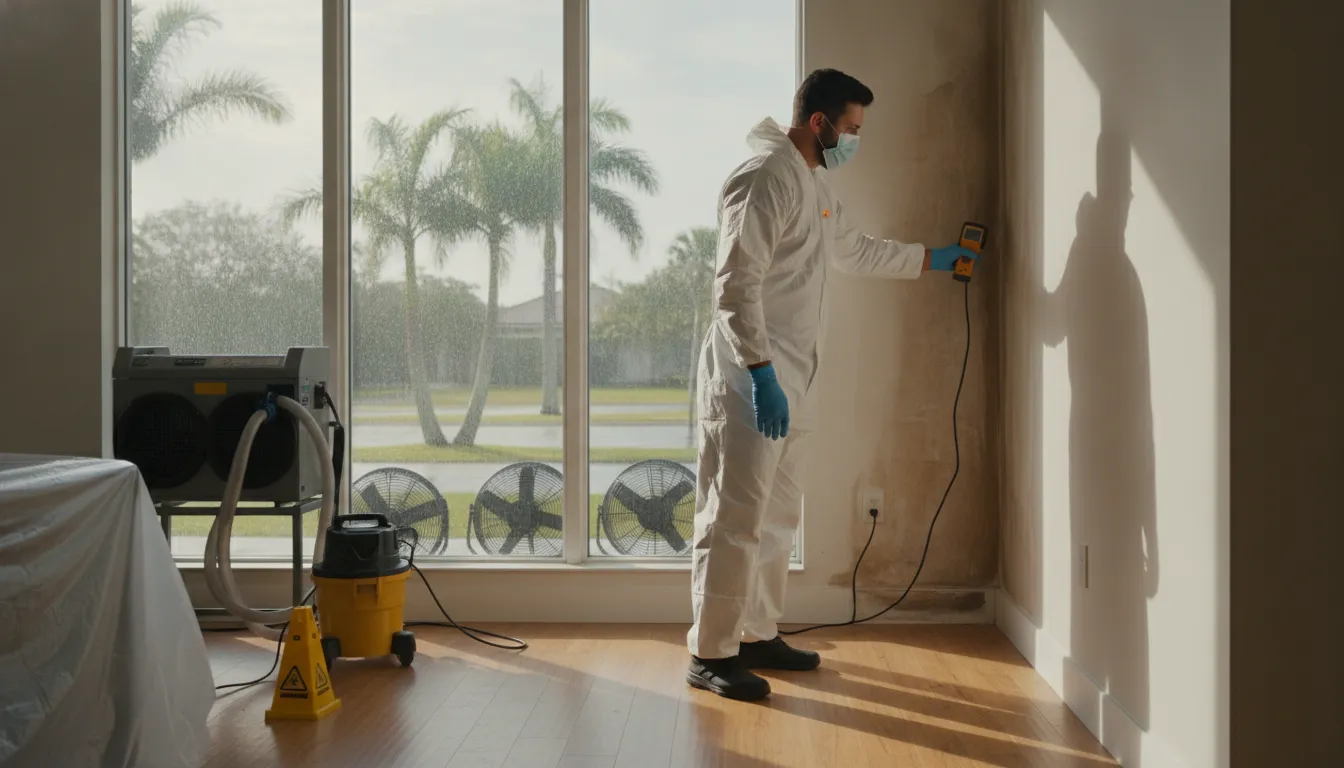
What you can see on the surface is often just a fraction of the actual problem. Water from a burst pipe can seep into your home’s foundation, travel along utility lines, and saturate the ground in unexpected places. A professional will conduct a thorough inspection to identify all affected areas, not just the obvious ones. We use specialized equipment to detect hidden moisture that could otherwise be missed. This complete assessment is crucial for your insurance claim and ensures that all damage is properly documented and addressed, preventing any surprises down the road.
You Need to Prevent Mold and Structural Problems
Ignoring a broken pipe or failing to dry the area properly can lead to serious long-term issues. Lingering moisture creates the perfect environment for mold to grow, which can pose health risks to your family, especially for anyone with respiratory issues. Over time, water can also weaken your home’s foundation and other structural components. Our professional mold remediation services don’t just fix the leak; we use industrial-grade equipment to thoroughly dry the affected areas and treat them to prevent mold growth, protecting both your property and your family’s health.
Why Acting Fast is Crucial
When you spot signs of a burst pipe outside, your first instinct might be to wait and see if it gets worse. But with water damage, time is not on your side. Every hour that passes allows water to cause more harm to your property, turning a manageable issue into a major restoration project. Acting quickly is the single most important thing you can do to protect your home and your wallet. The difference between a minor repair and a complete overhaul often comes down to how fast you respond. A swift call for professional help can stop the damage in its tracks and prevent a cascade of problems down the line. Water doesn’t just stay put; it spreads, seeps, and saturates everything it touches. What begins as a simple outdoor leak can quickly threaten your home’s foundation, your landscaping, and even the air quality inside your house if mold begins to grow. That’s why treating a burst pipe as an emergency is so critical. It’s not just about fixing a leak; it’s about preventing a chain reaction of damage that becomes more complicated and expensive to fix with each passing day.
Limit Extensive Property Damage
Think of a burst pipe like a small fire; the sooner you put it out, the less it will burn. Water from an underground leak saturates the soil, which can erode your landscaping, crack your driveway, and create sinkholes in your yard. What starts as a soggy patch of grass can quickly become a serious issue affecting large areas of your property. By addressing the problem immediately, you contain the damage to a smaller, more manageable area. This proactive approach is key to preventing widespread issues that require more complex and expensive restoration services. Ignoring it only gives the water more time to spread and cause deeper, more significant harm.
Protect Your St. Petersburg Home
Your home’s foundation is its most critical structural element, and water is its worst enemy. Here in St. Petersburg, where the ground can be sandy and porous, water from a burst pipe can easily seep underneath your home. This constant moisture can weaken the concrete, cause cracks in your foundation, and compromise the entire structure. If the leak is close to your house, water can also find its way into your crawl space or even your living areas. Prompt water damage restoration is essential to extract the moisture and dry the affected areas before long-term structural problems set in, ensuring your home remains safe and stable.
Avoid Costly Future Repairs
A small leak that seems harmless today can lead to a financial nightmare tomorrow. Unchecked water damage creates the perfect environment for mold to grow, which is a serious health hazard and requires specialized removal. In Florida’s humid climate, mold can begin to develop in as little as 24 to 48 hours. Beyond that, you could be facing repairs for a damaged foundation, ruined landscaping, and even pest infestations drawn to the moisture. The cost of a quick pipe repair is a fraction of what you’d pay for extensive mold remediation and structural fixes. Acting fast saves you stress, time, and thousands of dollars in the long run.
Related Articles
Frequently Asked Questions
What’s the absolute first thing I should do if I think a pipe has burst in my yard? Before you do anything else, find your home’s main water shut-off valve and turn it off. This single action stops more water from escaping, which is the most important step in preventing further damage to your yard and foundation. Once the water is off, you have the breathing room to assess the situation and call for professional help without the problem getting worse by the minute.
My water pressure dropped, but I don’t see any puddles. Could it still be a burst pipe? Yes, it absolutely could. Not every underground leak creates an obvious puddle, especially in sandy soil that can absorb a lot of moisture. A sudden drop in water pressure is one of the most reliable signs of a break in your main water line. If you notice weaker showers and faucets, listen for hissing sounds underground or check your water bill for a sudden spike, as these clues often appear before the ground becomes fully saturated.
How can I tell if the leak is my responsibility or the city’s? A good rule of thumb is to check your water meter. Generally, any pipes running from the water meter to your house are your responsibility to maintain and repair. If the leak, puddles, or damage are located on the street side of the meter, it is likely the city’s issue. If the problem is anywhere on your property between the meter and your home, it’s time to call a restoration professional.
Is a small, soggy patch of grass really that big of a deal? That small soggy patch is a clear warning sign that shouldn’t be ignored. It indicates a constant leak that is saturating the ground. Over time, this excess water can erode the soil supporting your home’s foundation, crack your driveway, and create a breeding ground for mold and pests. Addressing it early is the key to preventing a much larger and more expensive structural problem later on.
Will my homeowner’s insurance cover the damage from an outdoor burst pipe? Coverage can vary quite a bit between policies, so it’s important to check with your insurance agent. Typically, homeowner’s insurance will help cover the cost of repairing the water damage to your home’s structure, like a compromised foundation. However, the cost to repair the actual broken pipe may not be covered. The best course of action is to document all the damage with photos and contact your provider immediately to understand your specific coverage.