Water on a Florida floor can become damaged drywall, mold risk, and a costly claim fast. Insurance may help after a sudden leak, but the cause and your first actions matter.
Need help limiting damage now? If your St. Petersburg or Pinellas County home has active water damage, call Go Time at (727) 430-3079 for emergency restoration guidance while you document the loss and contact your insurer.
Does homeowners insurance cover water damage in Florida? Coverage may apply when a sudden, accidental event, such as a burst pipe or overflow, damages the home, depending on specific policy terms, limits, and deductible. Standard homeowners policies generally do not cover floodwater without separate flood insurance coverage, and long-term seepage, wear, or neglect may also be excluded. After damage, stop the water if safe, take clear photos before cleanup, save damaged materials when practical, and keep every receipt for the claim. Report the loss promptly and speak with your insurer before signing repair contracts or authorizing extensive work for drying and emergency cleanup. This guide explains coverage scenarios, exclusions, documentation, and rapid mitigation steps for Pinellas County homeowners after a loss.
Florida homeowners need a clear answer before soaked materials spread moisture through walls and floors. The next section, “Does homeowners insurance cover water damage in Florida?”, separates commonly covered losses from common gaps and the action to take now. Here’s how.
Does homeowners insurance cover water damage in Florida?
Short answer: Sometimes. A Florida homeowners policy may cover water damage when the cause is sudden and accidental. One example is an unexpected pipe break inside the home. Coverage still depends on the policy language, water source, and damage found during the review.
A loss is not covered just because water is present. Floodwater, slow seepage, wear, and neglected repairs may be handled differently or excluded. Report the event and ask the insurer to explain which terms apply to the loss.
Source of the water
Start with one question: where did the water come from? A sudden indoor discharge is different from water rising from outside the home. It is also different from a plumbing issue that has worsened over time.
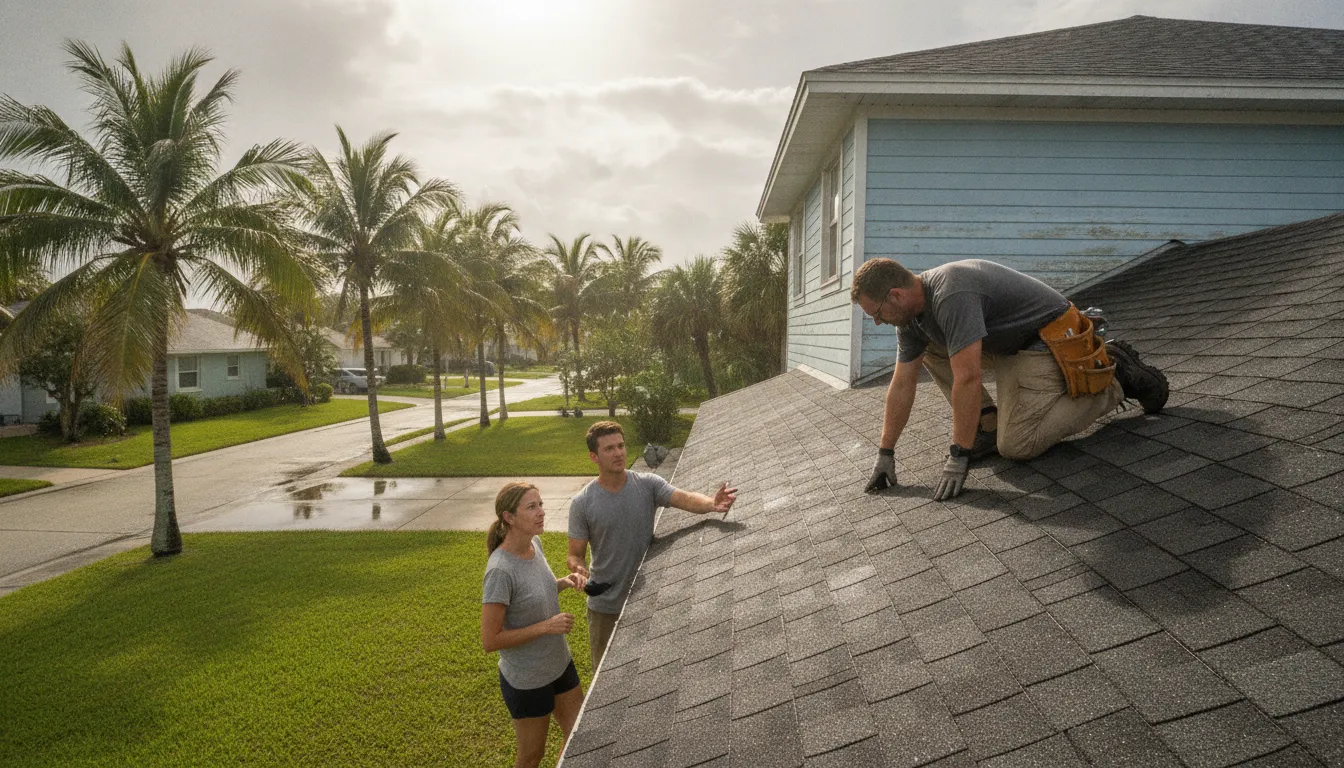
A roof leak also calls for careful review. Rain that enters after storm damage may raise questions about how the roof opened. A pre-existing opening or poor upkeep may lead to a different claim review.
Use this table as a starting point, not a coverage decision. The policy and claim review control the result.
| Water loss example. | Possible policy issue. | What to check. |
|---|---|---|
| Pipe breaks without warning. | Sudden internal discharge may qualify. | Water damage and plumbing terms. |
| Washing machine line fails. | Sudden appliance-related release. | Dwelling and property coverage. |
| Rain enters through roof damage. | Cause of opening matters. | Windstorm terms and exclusions. |
| Outdoor water rises into home. | Flood coverage may be separate. | Flood policy or endorsement. |
| Leak continues over time. | Seepage or neglect may apply. | Maintenance and leakage terms. |
Policy terms to review
Check the declarations page, coverage sections, exclusions, endorsements, and deductible. Look for accidental discharge, repeated seepage, flood, windstorm, mold, and duties after a loss. The insurer can explain which policy sections it is using.
For building damage, professional water damage restoration can document affected materials and drying work. Restoration records can show what happened in the home. They do not guarantee that an insurer will pay the claim.
Flood is a key distinction for Florida homeowners. Standard homeowners coverage and flood coverage are not the same type of protection. Check whether you have a separate flood policy before assuming rising outdoor water is covered.
Actions after finding water damage
Take photos before cleanup, if the area is safe to enter. Keep receipts for urgent work and save damaged materials when practical. These records can help show the loss and steps taken to prevent more damage.
Act to limit further damage while the insurer reviews the claim. Before signing repair papers, ask about managed repair terms and required documentation. This keeps urgent mitigation separate from any promise about insurance payment.
Water damage events that may be covered
Sudden indoor water releases
When homeowners ask, “does homeowners insurance cover water damage in Florida,” the starting point is the cause of the water. A sudden, accidental discharge inside the home may fall within a policy’s covered losses. A slow leak, neglect, wear, or flood water can be treated differently.
Examples can include a supply line that breaks without warning or a toilet that suddenly overflows. A homeowner should stop the water if safe, take photos, and keep damaged materials available for inspection. The insurer reviews the policy, the cause, and the resulting damage before deciding coverage.
Storm openings and roof leaks
Wind-driven rain may enter after a storm damages roofing or creates an opening in the building. Whether the water damage is covered depends on policy terms and how the opening happened. Homeowners can review common issues in this guide to roof leak insurance in Florida.
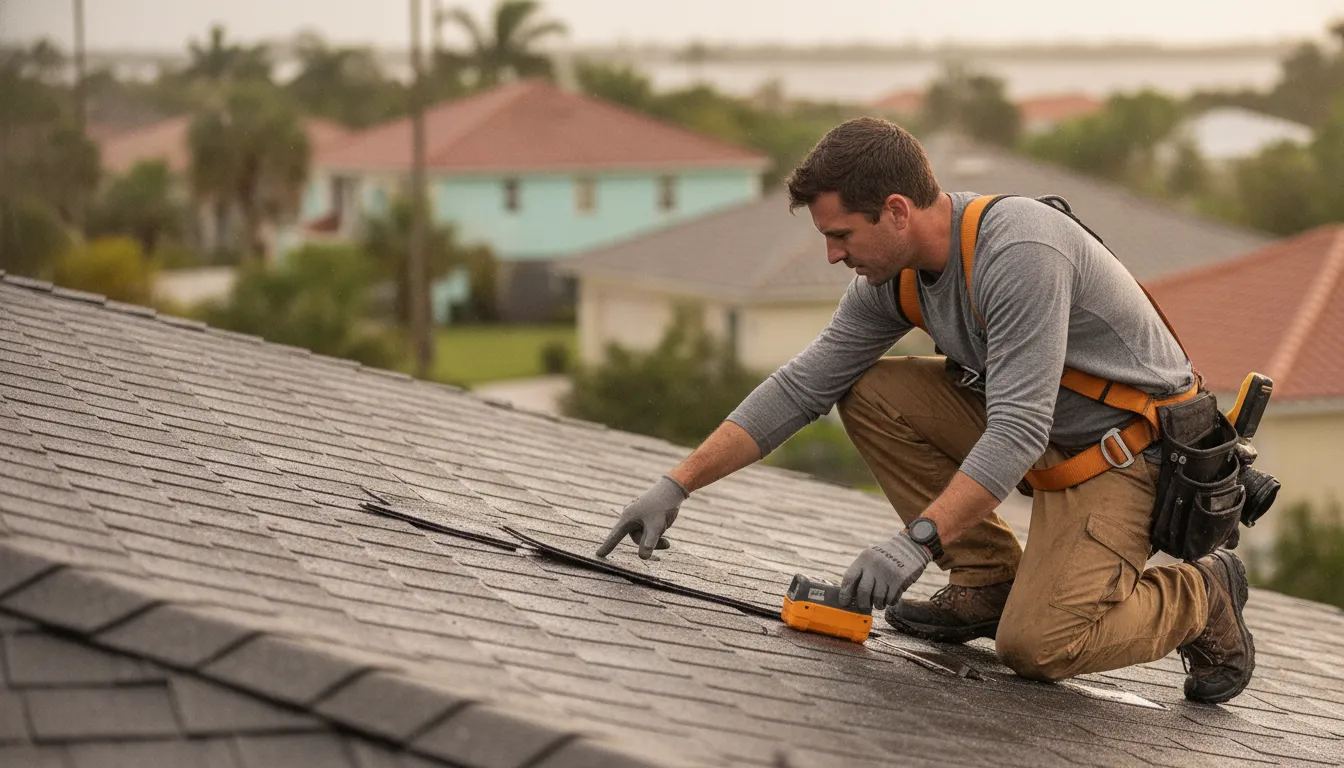
Take clear photos of ceiling stains, wet insulation, lifted shingles, or damaged flashing before temporary work begins. Emergency steps can help limit added damage. Repairs should not erase key evidence. Save receipts and ask the carrier about claim steps and repair program terms.
Appliances, air conditioning, and sewer backup
A dishwasher hose, washing machine connection, water heater, or air conditioner can release water into living areas. A sudden event may be considered under a policy, while an old leak or poor upkeep may not be. For a Florida home with condensate overflow, this AC leak cleanup guide explains practical next steps.
Sewer or drain backup is not the same as a clean-water appliance leak. It may need a specific backup endorsement before related damage is covered. Review declarations and endorsements, then ask the insurer to explain how they apply to the reported event.
No event guarantees payment. After water enters a home, document the source and visible damage, then begin needed drying steps. Local homeowners needing cleanup support can learn about professional water damage restoration while their insurer evaluates the claim.
What water losses are often excluded or limited?
Flood water and storm surge
When homeowners ask, “does homeowners insurance cover water damage in Florida,” the source of the water matters. Water that rises outside the home may be handled differently from water released inside it. That question often comes up after heavy rain, street flooding, or storm surge enters a house.
Do not assume a homeowners policy and a flood policy respond the same way. Start with the cause of loss listed in your report, photos, and claim notice. Then review the declarations page and endorsements, and ask the insurer which policy language applies.
Slow seepage, wear, and mold limits
A sudden pipe break is not the same situation as a leak that remains in place over time. Seepage behind a cabinet or beneath flooring can raise maintenance and timing questions. So can worn flashing, failed seals, corroded lines, or damaged roof materials.
Mold can involve a separate limit, even when water damage is part of the same event. Look for mold wording, cleanup limits, and duties that apply after a loss. Keep photos, moisture records, estimates, and receipts together for your claim file.
Sublimits and the restoration role
Policy sublimits may narrow payment for certain work or damaged property. Water backup, mold remediation, and specific personal property are items to check in your own documents. Endorsements may add, change, or remove terms found in the base policy.
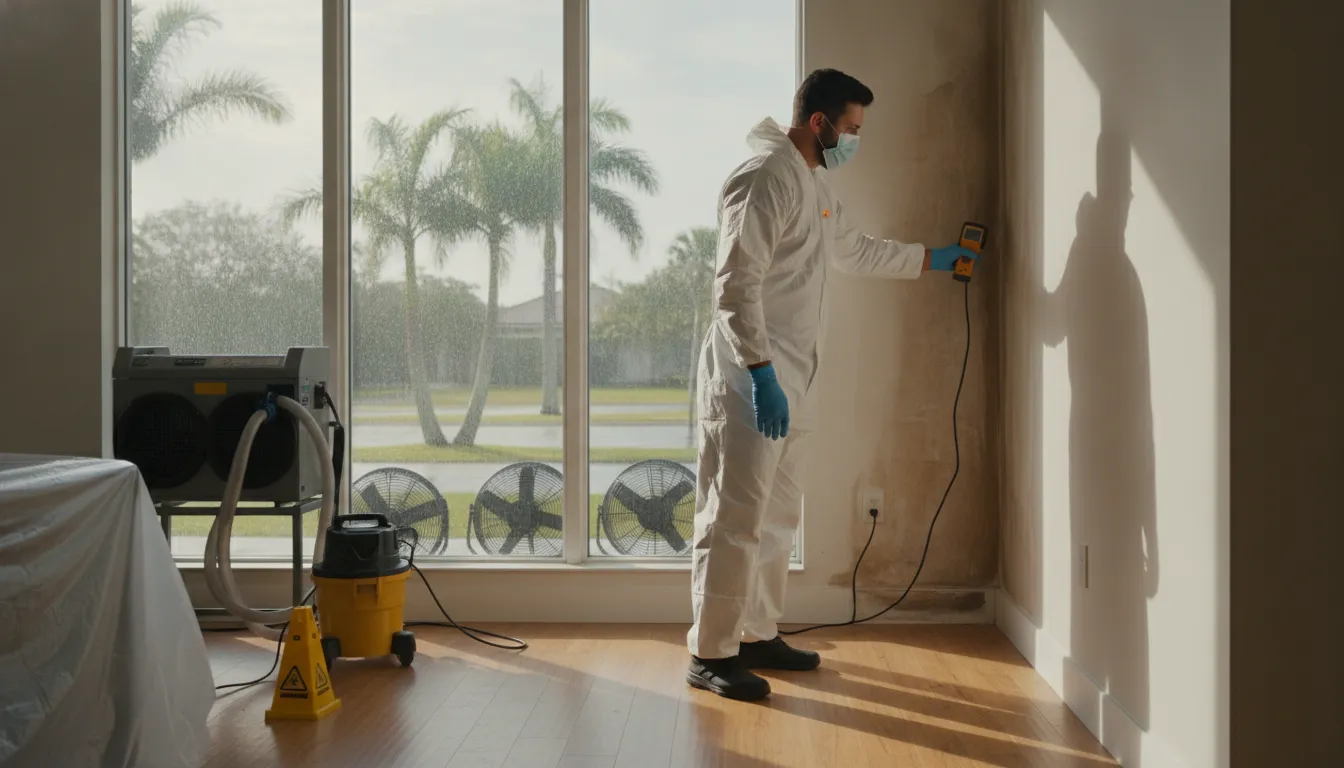
After water intrusion, prompt drying can help protect building materials while the coverage question is reviewed. In Pinellas County, professional water damage restoration focuses on inspection, water removal, drying, and cleanup. A restoration contractor can document site conditions, but cannot decide whether an insurer owes payment.
Ask your insurer or licensed insurance professional to explain exclusions, limits, deductibles, and endorsements in your policy. If a denial or policy term is disputed, a qualified legal professional can advise you. Go Time Roofing and Restoration provides restoration service, not insurance or legal advice.
What should you do immediately after water damage?
After water enters your home, act in an order that protects people and keeps a clear claim record. If you ask whether homeowners insurance covers water damage in Florida, the cause and policy terms still guide the answer. Fast action helps, but it should not erase proof of the loss.
Safety and first response
-
Check safety first. Leave the area if water may reach wiring, the ceiling looks unstable, or dirty water is present.
-
Stop the source, only if safe. Shut off a supply valve for a plumbing leak, but do not handle electrical equipment or climb onto a damaged roof.
-
Record damage before cleanup. Take room photos, close-up photos, and video of wet materials and the visible source. Note when you found the damage.
-
Prevent added damage. Remove standing water or cover an opening when safe. Arrange professional water damage restoration when drying needs trained help.
-
Save receipts and material samples. Keep receipts for tarps, drying, storage, and emergency work. Save a small flooring sample if damaged material must be removed.
-
Notify your insurer soon. Share photos, your timeline, and emergency repair receipts. Ask how your policy handles mitigation work and contractor selection.
-
Review any repair contract. Before signing, read the terms, verify contractor licensing, and request proof of insurance. Ask who receives claim payments.
Evidence during emergency work
Florida DFS advises homeowners to complete and document needed emergency repairs, keep receipts, and take photos before and after repairs. This means you can limit further harm while preserving a record for the claim review. Keep removed samples labeled with the room and date.
Store photos, video, receipts, and messages in one folder. Keep a simple log of calls and repair visits. This record helps show what was damaged, what you did to protect the home, and what costs followed.
Insurer and contractor checks
Florida DFS also advises contacting your insurer before entering a repair contract. Ask about managed repair terms or preferred vendors in your policy. Then check contractor license details and insurance proof before authorizing permanent repairs.
Emergency drying and claim decisions can move at the same time. Do not assume the claim will be paid before coverage is reviewed. Your insurer will assess the water source, policy terms, documentation, and applicable exclusions.
How can documentation support a Florida water damage claim?
When water enters a Florida home, safety and drying come first. Documentation should begin as soon as it is safe to enter the affected rooms. A clear record helps show what happened, what was damaged, and what work was needed. It does not promise that a claim will be paid.
Coverage still depends on the cause of the loss and the terms of the policy. Florida’s insurance regulator explains that standard homeowners policies may cover accidental water discharge, while floods are usually excluded. Review the regulator’s homeowners insurance guidance when gathering records.
Photos before and after mitigation
Start with wide photos of each affected room, then take close photos of wet floors, walls, ceilings, cabinets, and belongings. If safe, capture the apparent source, such as a pipe leak or roof opening. Use date-stamped photos or keep the original file details.
Document conditions before cleanup, but do not delay needed drying to take perfect photos. Next, photograph removal of wet materials, drying equipment in place, and repaired areas. This sequence connects the initial damage to the work performed by a professional water damage restoration team.
Records that explain the loss
Keep one folder for the claim, on paper or in a digital drive. Name files by date and room so an adjuster can follow the event without sorting loose messages. Include copies, not your only originals, when documents are shared.
- Policy details: declarations page, carrier name, policy number, claim number, and adjuster contact details.
- Incident timeline: date and time water was noticed, steps taken to stop it, and when mitigation began.
- Damage inventory: each damaged item, room location, condition, photos, and any available proof of purchase.
- Cost records: emergency service invoices, equipment charges, repair estimates, receipts, and temporary protection costs.
- Communication log: call dates, email copies, uploaded files, inspection appointments, and the names of contacts.
For a St. Petersburg or Pinellas County homeowner, a water event may also involve storm conditions outside the house. Note rain, wind, visible roof damage, or rising outdoor water only if observed. Those details can help distinguish an interior water loss from flood damage, which is handled through separate flood coverage.
Clear communication during emergency work
Before authorizing work, read the scope and save a signed copy. Ask for itemized estimates and photos from mitigation visits. Send claim records through the method the insurer provides, then save proof of each upload or email. If new damage appears during drying, photograph it and update the inventory.
If water is active in your St. Petersburg area property, Go Time Roofing and Restoration can discuss emergency mitigation needs. Call the 24/7 emergency number at (727) 430-3079, or visit Go Time Roofing and Restoration for contact information. Keep the policy decision with the insurer and keep a copy of every document you submit.
Why fast mitigation still matters before coverage is decided
Safety first, coverage second
A wet home needs attention even when an insurance answer is pending. Standing water, soaked drywall, and wet flooring can create unsafe rooms and spread damage into nearby materials. In Florida humidity, waiting can make drying harder and raise the chance of mold concerns.
The source of the water still matters for a claim. The Florida Office of Insurance Regulation explains that a policy may cover accidental water discharge, while flood damage is usually excluded. An adjuster or insurer must review the policy and facts. A contractor should not promise that a loss is covered.
Prompt steps that protect the home
Mitigation is not the same as a coverage decision. It is the work needed to limit an active loss: stop the source when safe, remove water, inspect wet areas, and begin drying. Quick action may also keep a small affected area from turning into a wider repair project.
Before work starts, take photos and video when it is safe to enter. Keep copies of estimates, drying notes, receipts, and messages with the insurer. Do not remain in a room with unsafe water, a sagging ceiling, or an electrical risk just to gather records.
For a St. Petersburg home, professional water damage restoration can include extraction, moisture checks, drying, and clear notes about the work completed. That record can help a homeowner explain what occurred. Coverage, deductibles, and payment remain subject to the insurer and the policy terms.
One team for roof leaks and interior drying
Storm water may enter through damaged roofing, then affect ceilings, walls, insulation, or floors. Drying the room without addressing the opening can leave the home open to more water. A roof review and interior moisture inspection help define both sides of the problem.
Go Time coordinates roofing and restoration work for storm-related damage in Pinellas County. This approach can reduce gaps between emergency drying and roof repair planning. For more detail on timing, read about the importance of fast water damage mitigation. Contact your carrier and review any contract before signing.
Frequently Asked Questions
Does Florida homeowners insurance cover sudden water damage?
Often, yes. A Florida homeowners policy may cover sudden and accidental water damage, such as a burst pipe or accidental overflow. The Florida Office of Insurance Regulation lists accidental water discharge or overflow among standard covered perils. Coverage still depends on your policy terms, deductible, cause of loss, and any endorsements or exclusions.
Is flood water covered by a standard homeowners policy in Florida?
No. Standard homeowners insurance generally does not cover damage caused by flooding or rising surface water. The Florida Department of Financial Services flood insurance resource explains the separate coverage Florida homeowners may need for flood loss. Review flood coverage before storm season, even when a lender does not require it.
What should I document before starting emergency water mitigation?
Before cleanup, take photos and video of affected rooms, damaged belongings, and the apparent water source, if it is safe. Save receipts for emergency expenses and keep damaged materials until your insurer advises otherwise. Go Time Roofing and Restoration recommends documenting damage immediately for Florida insurance claims. Do not delay steps needed to prevent additional damage or unsafe conditions.
Do I need to contact my insurer before signing a restoration contract?
Yes, contact your insurer promptly when practical, and review contract terms before signing. Ask how emergency mitigation, estimates, payment authorizations, and damaged materials should be handled under your policy. If active water creates immediate risk, take reasonable steps to limit further damage while preserving photos, receipts, and records. A restoration contract does not by itself determine insurance coverage or payment.
Ready to protect your Florida home from water loss?
Waiting after water damage can leave you with a larger cleanup, fewer useful records, and more uncertainty during a claim. Starting now gives you time to document visible damage, limit further loss, and understand the next practical step. A prompt plan helps you move from questions about coverage to clear action for your property and paperwork.
Ready to protect your home and organize your next steps? Call (727) 430-3079 to request emergency water damage restoration guidance. Describe what happened, what areas are affected, and what records you already have available. Go Time Roofing and Restoration can discuss your immediate restoration needs and help you plan an orderly response. You can then decide how to proceed while your claim details are still easy to gather.