I get it. You see a mold spot after a minor leak and your first instinct is to grab the bleach. It feels like a quick and cheap fix. But that’s often a costly mistake. Wiping the surface doesn’t eliminate the mold growing within your walls, which means the problem will almost certainly return—often bigger and more expensive to fix. A professional approach is the only way to ensure it’s gone for good. To make an informed decision, you need to understand the true cost of mold remediation. This guide breaks down the expenses involved, so you know exactly what to expect.
Key Takeaways
- Quick Action Is Your Best Defense: Mold grows fast, often within 24 hours of water damage. Responding immediately to leaks or floods is the best way to stop a small issue from becoming a large, expensive problem that affects your health and property.
- Budget for More Than Just Removal: The final bill is influenced by the size and location of the mold, but don’t forget to account for related expenses. Fixing the original water leak and repairing damaged materials like drywall are often separate but necessary costs.
- Know When to Call a Professional: If you notice a musty smell you can’t place, see mold covering a large area (over 10 sq. ft.), or suspect it’s behind your walls, it’s time to call for help. Professionals have the right tools to remove mold safely and prevent it from coming back.
Is Mold Remediation Necessary After Water Damage?
After you’ve dealt with the initial shock of a leak or flood, your next thought might be about cleanup. But simply drying out the area isn’t enough. Water damage creates the perfect breeding ground for mold, and ignoring it can lead to bigger problems for both your property and your health. Professional mold remediation isn’t just an add-on service; it’s a critical step in making your home safe again after water gets in. Understanding why it’s so important will help you protect your investment and your family.
How Fast Does Mold Actually Grow?
It’s easy to underestimate how fast mold can appear. After a surface gets wet, mold spores can begin to grow in as little as 24 to 48 hours. What starts as a small, hidden patch can quickly spread through your walls, flooring, and ventilation system. This rapid growth is why a quick response is so important. A professional water damage restoration team doesn’t just remove the water; they also use specialized equipment to thoroughly dry the structure, which is key to stopping mold before it has a chance to take hold and become a much larger, more expensive problem.
Could Mold Be Affecting Your Health?
Mold isn’t just an unsightly nuisance; it can release spores into the air that pose serious health risks. For many people, exposure can trigger allergic reactions, persistent headaches, breathing difficulties, and chronic fatigue. These issues are often more severe for young children, older adults, and anyone with asthma or a weakened immune system. Living in a home with mold means constant exposure to these irritants. Proper mold remediation is essential for removing the threat and restoring healthy air quality, ensuring your home is a safe environment for everyone inside.
Symptoms Beyond Typical Allergies
If you’re dealing with a stuffy nose or itchy eyes, it’s easy to blame seasonal allergies, especially here in Florida. But when those symptoms don’t let up, it might be time to look closer at your home environment. Constant exposure to mold can lead to more than just sneezing. Think persistent headaches that won’t go away, a feeling of chronic fatigue you can’t shake, or even unexplained skin irritation and breathing problems. These issues can develop because mold releases spores into the air you breathe every day. This is why professional mold remediation is so important—it’s not just about protecting your property but also about safeguarding your family’s health from these persistent irritants.
Common Hiding Spots for Mold in Your Home
Mold thrives in dark, damp environments with limited airflow. This is why it’s so common in basements, crawl spaces, and bathrooms. After water damage, mold often hides in places you can’t easily see, like behind drywall, under carpets and floorboards, or inside wall cavities where moisture has been trapped. Even if you don’t see visible signs of mold, a persistent musty odor is a major red flag that you have a hidden problem. Identifying and treating these hidden growth areas is a job for professionals who have the tools to detect moisture and eliminate mold at its source.
Debunking Common Mold Myths
When you’re dealing with the aftermath of water damage, the last thing you need is misinformation adding to your stress. There are a lot of myths floating around about mold that can cause confusion and lead to poor decisions. It’s easy to get caught up in what you’ve heard from neighbors or seen online, but getting the facts straight is the first step toward handling the problem correctly. Let’s clear up a few of the most common misconceptions so you can feel confident about your next steps and focus on what truly matters: making your home safe again.
Myth: Mold Only Grows in Dirty Homes
It’s easy to think that finding mold is a sign of poor housekeeping, but that’s simply not true. Mold isn’t picky about cleanliness; it only cares about moisture. As experts at Mould Canberra explain, mold thrives in any damp environment, regardless of how spotless it is. A brand-new, meticulously clean home can develop a serious mold problem after a hidden pipe leak or a storm damages the roof. The presence of mold doesn’t mean your home is dirty—it means you have a moisture issue that needs to be addressed by a professional. The focus should always be on finding and fixing the source of the water, not on how often you dust.
Myth: Mold Testing Is Always Required Before Remediation
Many homeowners believe an expensive mold test is a mandatory first step, but that’s not always the case. While testing can be useful for identifying specific mold types or confirming a hidden problem, it isn’t always necessary. According to SERVPRO, a visual inspection is often enough to determine the need for remediation. If you can clearly see mold growing on a wall or ceiling, the immediate priority is its safe removal. A qualified restoration team can assess the visible damage and develop an effective mold remediation plan without the delay or cost of unnecessary testing. The goal is to remove the mold and fix the moisture problem, and in many cases, you don’t need a lab report to get started.
Breaking Down the Cost of Mold Remediation
Let’s get straight to the point: you want to know what mold remediation will cost. While every situation is unique, understanding the general price ranges can help you prepare. The final bill for mold remediation depends heavily on how much mold there is, where it’s located, and the extent of the underlying water damage. Think of these numbers as a starting point. A small, contained issue is much more affordable to fix than a widespread problem that has been growing for months. To give you a clearer picture, we can break down the costs based on the size of the mold problem you’re facing. Remember, the best way to get an accurate price for your specific situation is to get a professional estimate from a trusted local team.
National Averages and Typical Cost Ranges
Okay, let’s talk numbers. When you’re trying to budget for mold remediation, it helps to have a ballpark figure in mind. Nationally, most homeowners pay somewhere between $1,200 and $3,800, with the cost often broken down per square foot—typically falling in the $10 to $25 range. This means tackling a small patch of mold in a crawlspace might only cost around $500, while a more significant issue that has spread could reach $6,000 or more. A severe infestation affecting the whole house can even climb into the tens of thousands. Of course, these are just averages. The only way to get a precise figure for your home is to have a professional assess the situation. Getting a detailed estimate for mold remediation will give you a clear understanding of the scope and cost, with no surprises.
For Small, Contained Areas ($500–$1,500)
If you’ve caught the mold early, you’re likely looking at a smaller-scale problem. This typically involves a contained area, like a small patch under a sink, in a bathroom corner, or along a basement wall. For these minor issues, you can expect to pay between $500 and $1,500. This price generally covers the cost of setting up containment to prevent spores from spreading, cleaning the affected surfaces, and applying antimicrobial treatments. For example, professional estimates for basement mold issues often start in this range. Tackling the problem at this stage is the most cost-effective way to protect your home and your health.
For Mid-Sized Issues ($1,500–$5,000)
A medium-sized mold problem usually means the growth has spread to cover a larger surface area, like a significant portion of a wall or ceiling. This often happens when a leak goes unnoticed for a while. In these cases, costs typically range from $1,500 to $5,000. The average cost for mold remediation is often estimated at $10 to $25 per square foot, so the price can add up quickly. At this stage, the process is more involved. It usually requires removing and replacing contaminated materials like drywall or insulation, in addition to the standard cleaning and treatment process.
For Widespread Infestations ($5,000+)
When mold has spread extensively through your home, you’re dealing with a large-scale remediation project. This is common after major events like flooding or a burst pipe that wasn’t addressed immediately. Costs for these extensive projects start at $5,000 and can easily climb to $10,000, $30,000, or more. Widespread contamination, especially when mold affects multiple levels of a home, requires a comprehensive approach. This includes major structural repairs, extensive cleaning of your HVAC system, and potentially even temporarily relocating while the work is done. It’s a significant undertaking, but it’s essential for restoring your home to a safe and healthy condition.
Estimated Costs for Specific Locations
The location of the mold plays a huge role in the final cost of remediation. A small patch in an easy-to-reach spot is one thing, but mold hidden inside walls or spread throughout your air ducts is a completely different challenge. Each area of your home presents unique difficulties, from dealing with constant moisture in a bathroom to the risk of spreading spores through your HVAC system. Understanding these location-specific costs can help you get a more accurate idea of what to expect. Below, we break down the typical price ranges for some of the most common places mold is found after water damage.
Bathroom Mold
Bathrooms are prime real estate for mold due to constant humidity and moisture. Remediation for a bathroom typically costs between $500 and $1,000. This price usually covers treating mold found around showers, under sinks, or on small sections of drywall. While it might seem like a minor issue, bathroom mold can quickly spread into the wall cavity if the source of moisture isn’t fixed. A professional team will not only remove the visible mold but also identify and address the underlying cause, ensuring the problem doesn’t come right back. This is a common starting point for many homeowners dealing with the first signs of a mold issue.
Drywall and Structural Mold
Finding mold on your drywall often points to a more significant problem lurking behind the surface. The cost to address mold on and within walls can range from $1,000 to $20,000, depending on how far it has spread. This wide range reflects the complexity of the job; a small patch is one thing, but an entire wall cavity filled with mold is another. Remediation involves carefully removing the contaminated drywall, cleaning or replacing insulation, and treating the wooden studs to eliminate all spores. This is not a DIY project, as improper removal can release a massive amount of spores into your home and compromise the structure. It’s a job that requires professional containment and expertise to handle widespread drywall contamination safely.
HVAC System and Air Ducts
Mold in your HVAC system is a serious concern because it can circulate spores throughout your entire home every time the air kicks on. Cleaning mold from air ducts and vents is a specialized task that can cost between $2,000 and $6,000. This process requires professional-grade equipment to scrub the inside of the ducts and apply antimicrobial treatments without contaminating your living spaces. While it’s a significant investment, cleaning your air ducts is crucial for restoring healthy indoor air quality and stopping the mold from spreading to other areas of your house. It’s a critical step if you suspect the contamination has reached your ventilation system.
Whole-House Remediation
A whole-house remediation project is necessary when mold has spread extensively, often after a major flood or a long-term, unresolved leak. The cost for this comprehensive work typically starts between $10,000 and $30,000, and can sometimes be higher. This is the most complex type of remediation, involving work in multiple rooms, the HVAC system, crawl spaces, and potentially structural elements of your home. It requires a detailed plan and a highly coordinated effort. For situations this severe, you need a team that specializes in large-scale disaster recovery services to manage the project from start to finish and ensure your home is returned to a safe, healthy state.
What Determines Your Final Mold Remediation Cost?
While those price ranges give you a starting point, your final bill for mold remediation depends on the specific details of your situation. No two mold problems are exactly alike, so the cost is tailored to the job. Key factors include the total area affected, where the mold is located, the type of mold, the extent of the initial water damage, and the labor required to fix it all. Understanding these elements will help you see exactly what goes into a professional estimate and why one project can cost much more than another.
The Total Area of Mold Growth
It’s simple: the more mold you have, the more it costs to remove. A small, contained patch in one corner is a much quicker fix than a problem that has spread across an entire room. For perspective, a small area of 10 to 50 square feet might cost a few hundred dollars to treat, while a large infestation covering 200 to 400 square feet can easily run into the thousands. This is why catching mold early is so important for keeping costs down. The longer it has to grow, the more extensive and expensive the cleanup will be.
How Accessible Is the Mold?
Accessibility plays a huge role in the final price. Mold growing on an open basement wall is far easier to reach and treat than mold hiding inside your walls, under floorboards, or in a cramped attic. Difficult-to-reach areas often require more time, specialized equipment, and sometimes partial demolition to access, which adds to the labor costs. For example, attic mold removal can be more expensive than basement remediation simply because of poor ventilation and tight spaces that make the work more challenging for the crew.
The Type of Mold and Materials Involved
Not all mold is created equal. Some types, like black mold, are more hazardous and require specialized containment and safety gear for safe removal, which increases the cost. Beyond the mold itself, you have to account for the materials it has destroyed. If mold has eaten through drywall, flooring, or insulation, those materials will need to be removed and replaced. These restoration services are a necessary part of making your home safe and whole again, but they do add to the overall project cost.
Hazardous vs. Common Household Molds
The term “black mold” can sound alarming, but it’s helpful to know that not all molds carry the same level of risk. You’re likely familiar with common household molds, like the mildew that can form on shower grout. While these are certainly allergenic and should be addressed, they are different from toxigenic molds. Hazardous types, like Stachybotrys chartarum (the infamous “black mold”), can produce mycotoxins that are linked to more serious health issues, from chronic fatigue to respiratory problems. Since you can’t identify a mold’s toxicity by its color, any widespread growth should be treated as a potential hazard. This is why professional mold remediation is so important; a certified team uses specialized containment and safety gear to handle the removal safely, preventing harmful spores from spreading through your home.
The Scale of the Original Water Damage
Mold doesn’t just appear on its own; it’s a direct result of moisture. Mold can begin to grow within 24 to 48 hours of water damage, so the longer water sits, the more the mold will spread. A quick response to a leak or flood is your best defense. Addressing the source of the moisture is the first step in any effective mold remediation plan, and a severe, long-standing water issue will always lead to a more complex and costly mold problem down the line.
Local Labor and Equipment Rates
A significant portion of your bill covers the expertise of the professionals doing the work. You’re paying for their training, safety protocols, and industrial-grade equipment that ensures the job is done right. Labor costs can vary based on your location and the complexity of the project. Getting a detailed quote from a trusted local team is the best way to understand the investment required to properly handle the water and flood damage in your St. Petersburg home and get an accurate picture of the final cost.
Don’t Forget These Potential Remediation Costs
When you get a quote for mold remediation, it’s easy to focus on that single number. But the total cost often involves more than just removing the mold itself. Several other expenses can pop up, turning a manageable project into a major financial headache. Understanding these potential hidden costs ahead of time helps you budget properly and ensures there are no surprises along the way. From fixing the initial leak to dealing with insurance, here’s what else you need to consider.
Repairing the Source of the Moisture
Before any mold can be removed, you have to stop the water source that’s feeding it. This is non-negotiable. In fact, fixing the water problem is often the most expensive part of the entire process. Whether it’s a leaky pipe behind a wall, a crack in your foundation, or a damaged roof, that issue must be resolved first. Otherwise, the mold will just come right back. Our team can handle the water and flood damage restoration needed to stop the problem at its source, creating a dry environment so the remediation is effective for the long term.
Post-Remediation Testing and Inspections
While we handle the hands-on removal, you might also need professional mold testing. A separate, certified mold inspector can perform air quality tests before and after the remediation. Pre-testing identifies the type and concentration of mold, while post-testing confirms that the remediation was successful and your home’s air is safe again. A professional mold inspection can cost anywhere from $200 to $600. These fees are typically separate from the remediation work itself but are a crucial step for quality assurance and peace of mind.
Reconstruction and Material Replacement
Mold doesn’t just sit on the surface; it eats away at porous materials. If mold has damaged materials like drywall, carpet, or flooring, you’ll have to pay for repairs or replacements. The remediation process involves removing these contaminated materials, which can leave your home looking like a construction zone. The cost to rebuild, patch, paint, and restore the area to its original condition is a separate expense. Our disaster recovery services cover both the cleanup and the reconstruction, so you don’t have to hire multiple contractors to put your home back together.
Typical Repair Costs After Remediation
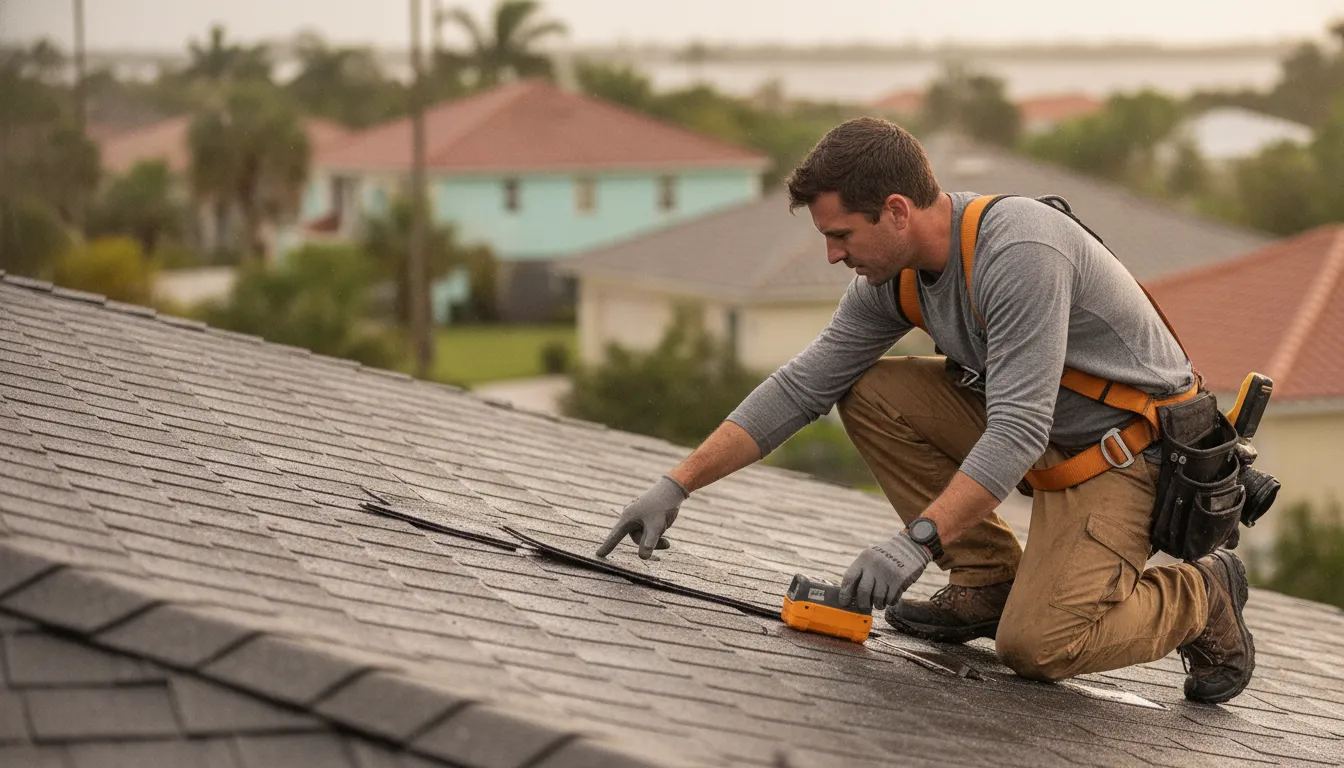
Once the contaminated materials are gone, it’s time to rebuild and make your space feel like home again. The repair costs can vary widely, but it helps to have a general idea of what to expect. For example, replacing drywall typically costs around $2 to $4 per square foot for installation and finishing. If your flooring was removed, new carpet installation runs about $3 to $6 per square foot, with tile or vinyl options often costing more. A fresh coat of paint to finish the job can add another $2 to $5 per square foot. And if the problem started with a faulty roof, you’ll need to include the cost of professional roofing services to prevent it from happening again. These numbers can add up, which is why a comprehensive quote is so important.
HVAC System Decontamination
If mold gets into your HVAC system, it can spread spores throughout your entire home every time the air kicks on. Cleaning mold from air ducts is a complex job that requires specialized equipment and expertise to avoid cross-contamination. According to the EPA, you should consider cleaning your air ducts if there is visible mold growth inside the ducts. This service is not always included in a standard remediation quote and can add a significant amount to your final bill, so be sure to ask about it.
Will Insurance Cover Your Remediation Costs?
Many homeowners are surprised to learn their policy might not cover mold. Typically, homeowners insurance does not cover mold damage if it results from a long-term leak or neglect. However, if the mold was caused by a “covered peril,” like a sudden pipe burst, you may have coverage. It’s essential to read your policy carefully and document everything with photos and records. Understanding your homeowners insurance policy is the first step, and we can help you with the documentation needed for a claim.
Other Financial Impacts to Consider
Beyond the direct costs of repairs, you should also plan for other financial impacts. If the mold infestation is severe, your home may be unsafe to live in during the remediation process, requiring you to budget for a hotel or short-term rental. It’s also crucial to consider the long-term impact on your property’s value. A documented history of mold can be a major red flag for future buyers. However, investing in professional remediation and keeping all the paperwork proves the problem was handled correctly, protecting your home’s market value. Trying to save money with a DIY fix could cost you far more in a lost sale down the road.
How Can You Lower Your Mold Remediation Costs?
Discovering mold can feel like a major blow to your budget, but you have more control over the final bill than you might think. The best way to manage remediation expenses is to be proactive. By taking a few smart steps before and after water damage happens, you can significantly reduce the scope of a mold problem and, in turn, the cost to fix it. This isn’t about cutting corners on safety; it’s about smart prevention and quick action that protects your home and your health. Many homeowners are surprised to learn that the biggest cost driver isn’t the mold itself, but the extent of its spread. When you address the source of moisture quickly and catch growth in its early stages, the remediation process is simpler, faster, and much less expensive. Think of it as an investment in your home’s health and your peace of mind. From tackling moisture right away to knowing when to call for backup, these strategies will help you keep mold remediation costs in check without compromising on a safe, clean home. Let’s walk through the most effective ways to protect your property and your wallet.
Act Quickly to Prevent Mold Spread
When you spot a leak or a flood, the clock starts ticking. Mold can begin to grow in as little as 24 to 48 hours, so waiting to see what happens is not an option. The longer moisture sits, the more likely you are to face a widespread mold issue, which is far more complex and costly to resolve. Acting fast is the single most important thing you can do to keep costs down. As soon as you notice water damage, your first call should be to a professional water damage restoration team. They have the equipment to extract water and dry out the area completely, stopping mold before it even has a chance to start.
Maintain a Dry, Well-Ventilated Space
Mold needs moisture to survive, so one of the best long-term strategies is to make your home an uninviting place for it. This means controlling your home’s humidity levels. In a humid climate like ours in Florida, running a dehumidifier in damp areas like basements or crawl spaces can make a huge difference. Always use exhaust fans in bathrooms and kitchens to vent steam outside. And if you spot a leaky pipe or a drip under the sink, fix it right away. Maintaining good airflow and keeping things dry is a simple, everyday habit that can prevent a very expensive mold problem down the road.
Perform Regular Visual Inspections
You don’t have to be a mold expert to spot the early signs of trouble. Make it a habit to regularly check areas where moisture is common: under sinks, around tubs and toilets, in the laundry room, and near windows where condensation forms. Look for discoloration, peeling paint, or a musty smell. Everyone should keep their eyes open for potential mold problems, no matter how clean their home is. Catching a small patch of mold early means you can address it before it spreads into your walls and becomes a major project. A quick visual inspection every few months can save you thousands in future mold remediation costs.
Consider Mold-Resistant Building Materials
If you’re already replacing drywall and insulation after a water damage event, it’s the perfect time to think about long-term prevention. Opting for mold-resistant building materials is one of the smartest moves you can make, especially here in Florida. These products include specialized drywall, moisture-resistant insulation, and paints with additives that prevent mold from taking hold. While they may have a slightly higher upfront cost, think of it as an investment in your home’s future. The long-term savings from avoiding another round of remediation, not to mention the benefit of healthier indoor air, make it a worthwhile choice during the reconstruction phase.
When our team at Go Time Restoration handles the repairs after a remediation job, we often recommend these advanced materials. Proper installation is key to their effectiveness, and our experienced professionals ensure everything is put back together correctly to offer the best possible defense against future moisture issues. By rebuilding with materials designed to withstand humidity, you’re not just repairing the damage—you’re upgrading your home’s resilience. It’s a proactive step that provides lasting peace of mind, knowing you’ve created a less hospitable environment for mold to return and cause problems down the road.
Compare Quotes from Vetted Professionals
If you suspect you have a mold problem that’s too big to handle yourself, don’t just hire the first company you find. Take the time to get at least two or three detailed, itemized quotes from reputable local professionals. A trustworthy company will be transparent about their process and costs. Be wary of any quote that seems unusually low, as it might not cover the full scope of work needed for proper remediation. Ask for references, check online reviews, and make sure they are licensed and insured. Making an informed decision upfront ensures you get quality work without any surprise fees. You can always contact us for a clear, comprehensive estimate.
DIY vs. Pro: When to Make the Call
It can be tempting to try and save money by tackling mold yourself, and for very small, surface-level spots (less than 10 square feet) on non-porous materials, a DIY approach might work. However, if the mold covers a large area, smells strong, or you suspect it’s hiding behind walls or under floors, it’s time to call a professional. A mold removal specialist has the right training and safety gear to contain the spores and remove the infestation completely. Trying to handle a large-scale problem on your own can actually spread the mold further and expose you to health risks, leading to bigger costs in the long run.
Essential Safety Gear for DIY Cleanup
If you’ve determined the mold is confined to a small, manageable area and you’re set on tackling it yourself, please don’t just grab a sponge and some soap. Proper safety is non-negotiable to protect yourself from inhaling harmful spores. You’ll need to gear up like a pro, even for a small job. This means wearing an N-95 respirator, safety goggles, and long gloves that cover your forearms. For any job that might stir up dust or spores, a full-body disposable suit is also a smart idea. Good ventilation is just as important, so open windows and use fans to direct air outside while you work. Treating mold without the right safety equipment can turn a home improvement project into a health hazard.
DIY Cleaning and Sealing Techniques
When you search for DIY mold cleaning methods, you’ll find plenty of suggestions, from using a bleach and water solution to applying concentrated hydrogen peroxide. While these can be effective on non-porous surfaces like tile or glass, they often fall short on materials like drywall or wood. Bleach can kill surface mold but its water base can soak into porous materials, potentially feeding the mold you can’t see. The most effective part of a DIY job is often the removal of contaminated materials altogether. If a piece of drywall or carpet is moldy, the safest bet is to cut it out and replace it. This is why even small jobs can quickly become complicated, highlighting the limitations of surface-level cleaning.
What If You Can’t Afford Remediation?
Seeing a high price tag for mold remediation can be incredibly stressful, especially when it’s an unexpected expense. If the cost feels out of reach, don’t lose hope. You have a few options to explore. First, check with your homeowner’s insurance provider. While standard policies often exclude mold caused by long-term issues like humidity, they may offer coverage if the mold is the direct result of a sudden, covered event like a burst pipe. It is always worth a phone call to ask your provider about your specific policy. Document everything and be prepared to explain the source of the water damage.
Beyond insurance, some local government offices or non-profit organizations occasionally have programs or grants to help homeowners with essential home repairs, which can sometimes include mold removal. It’s worth researching what might be available in Pinellas County. Finally, remember that knowledge is power. Getting a clear, itemized quote from a professional company helps you understand the true scope of the work. At Go Time Restoration, we can provide a detailed estimate that breaks down the costs, which can be essential for an insurance claim or for planning your budget. Don’t let financial fears stop you from taking the first step to make your home safe again.
When Should You Call a Mold Remediation Pro?
Deciding whether to tackle a mold spot yourself or call in a professional can feel tricky. A tiny patch on your shower grout is one thing, but after water damage, mold can be a much bigger beast. Trying to handle a serious mold problem on your own can make things worse, spreading spores and leading to higher costs down the road. Knowing the signs that point to a bigger issue is key to protecting your home and your health.
Signs You Definitely Need Professional Help
Some mold problems are simply too big or complex for a DIY approach. If you notice any of these signs, it’s time to call for professional mold remediation. A musty, earthy smell that you can’t locate is a classic sign of hidden mold. You should also look for visible mold spreading over a large area (more than 10 square feet), warped drywall, or peeling paint. If you or your family are experiencing unexplained allergy symptoms, like sneezing or itchy eyes, that seem to get better when you leave the house, mold could be the culprit. These are all indicators that the problem has moved beyond a simple surface issue.
The Professional Mold Remediation Process
When you hire a professional team, you’re not just paying for cleanup; you’re investing in a systematic process designed to safely and completely remove the mold threat. Unlike a DIY approach, which often just scratches the surface, professional mold remediation follows a strict set of protocols. This ensures that the mold is not only removed but that the underlying moisture issue is resolved and the spores are contained, preventing them from spreading to other areas of your home. It’s a multi-step strategy that protects both your property and your family’s health from start to finish.
Containment and Air Filtration
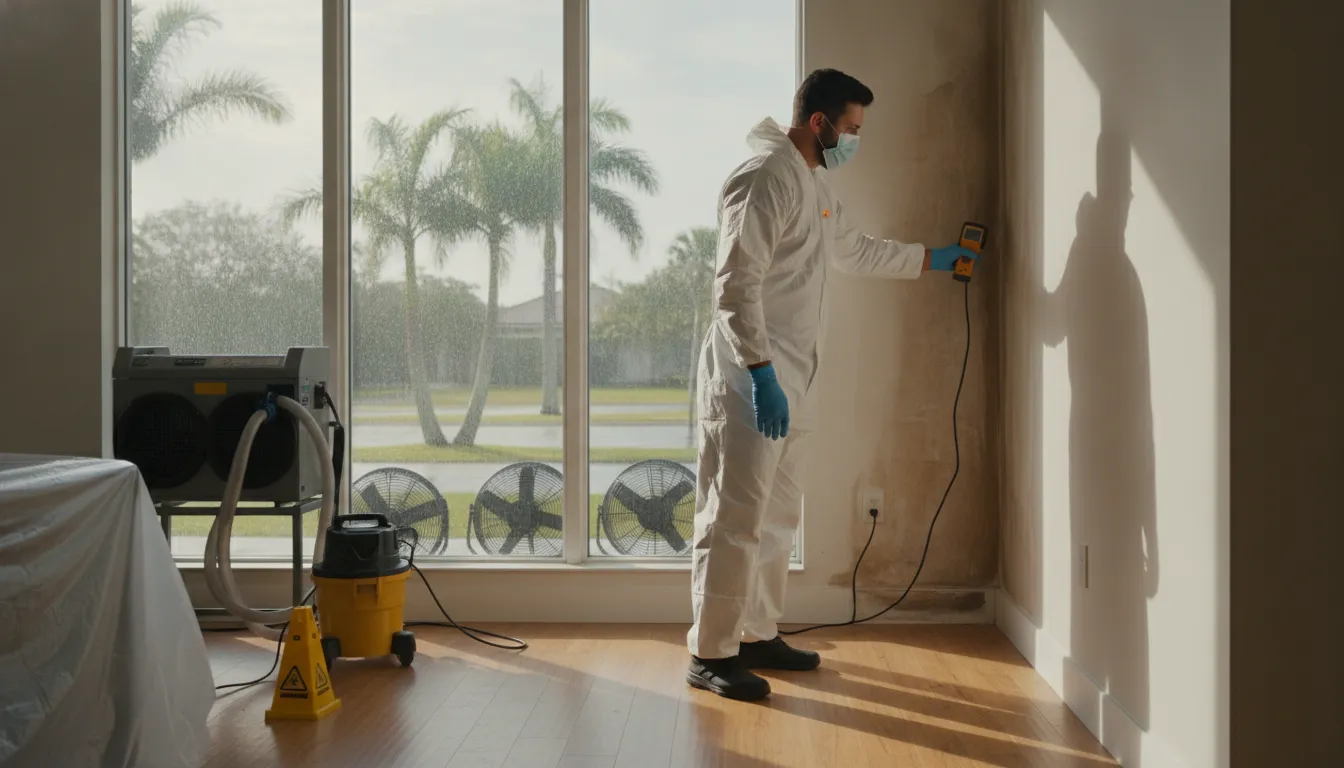
The first thing a professional crew will do is isolate the contaminated area. This is a critical step. They use heavy plastic sheeting and tape to create a containment zone, which stops mold spores from becoming airborne and traveling to unaffected parts of your home. Within this zone, they use special equipment like HEPA air scrubbers to create negative air pressure. This acts like a vacuum, pulling air from the room through a filter that captures microscopic mold spores. This level of containment is the best way to get rid of mold and keep it from coming back, ensuring the rest of your home remains safe during the cleanup process.
Drying and Dehumidification
Once the moldy materials are removed, the job is only half done. Because mold can grow within 24 to 48 hours of water damage, the next step is to eliminate the moisture that allowed it to grow in the first place. A quick response to a leak or flood is your best defense. Professionals use industrial-grade dehumidifiers and high-velocity air movers to thoroughly dry out the affected area, including wood, concrete, and other structural elements. This isn’t just about making things feel dry to the touch; it’s about using moisture meters to ensure humidity levels are back to normal, making the environment inhospitable for future mold growth. This is a key part of any effective water damage restoration plan.
Post-Remediation Verification
How do you know the job was truly successful? Reputable remediation companies recommend post-remediation verification. This involves hiring a separate, certified mold inspector to conduct air quality tests after the work is complete. This third-party testing confirms that the mold has been properly removed and that the spore count in your home’s air has returned to a safe, normal level. While this is often an additional cost, it provides unbiased proof that the remediation was effective and gives you complete peace of mind that your home is healthy again.
Do You Need to Leave Your Home During Remediation?
This is a common and important question. The answer depends on the size of the project and your family’s health. For a small, contained job, you may be able to stay in the home by simply avoiding the work area. However, for larger projects, especially those involving your HVAC system or widespread contamination, it’s often safer to relocate temporarily. According to the CDC, individuals with asthma, compromised immune systems, young children, and the elderly should not stay in the home during remediation. Your safety is the top priority, so it’s best to discuss the specifics with your remediation team. If you have concerns, it’s always a good idea to contact us to talk through your situation.
How Long Does Mold Remediation Really Take?
One of the most common misconceptions about mold is that it’s just a surface problem you can wipe away with bleach. Unfortunately, this often isn’t true. Mold has roots that can grow deep into porous materials like drywall and wood. Simply cleaning the surface doesn’t kill the underlying growth, which is why mold often comes back. Ignoring what seems like a small issue can allow hidden mold to thrive within your walls, leading to much more significant damage and health risks over time. A professional team can address the source of the moisture and ensure the mold is completely removed.
Documenting Damage for Your Insurance Claim
If you’re planning to file an insurance claim, thorough documentation is your best friend. Before any cleanup begins, take clear photos and videos of all visible mold and water damage. Keep a detailed log of every conversation you have with your insurance company, including dates, times, and the names of people you speak with. Save all receipts for any immediate repairs you had to make, like fixing a burst pipe. A professional assessment from a disaster recovery service can also provide the expert documentation you need to support your claim and show the full extent of the damage.
Related Articles
- What to Do After a House Flood: 10 Crucial Steps
- Mold Remediation Ranchero Village, FL – Go Time Roofing
Frequently Asked Questions
Can’t I just use bleach to clean up the mold myself? While bleach can clean surface mold on non-porous materials like tile, it’s not a good solution for porous surfaces like drywall or wood. The mold’s roots often grow deep into these materials, and bleach can’t reach them, which means the mold will likely grow right back. Professional remediation is designed to remove the mold at its source and address the moisture issue to prevent it from returning.
If I don’t see any mold after water damage, do I still need to worry? Yes, you should still be cautious. Mold thrives in dark, hidden places like behind walls, under flooring, or inside your ventilation system. A persistent musty smell is often the strongest indicator of hidden growth. A professional assessment can detect moisture in these unseen areas and determine if a hidden mold problem exists before it has a chance to spread.
Will my homeowner’s insurance pay for mold remediation? It really depends on your specific policy and what caused the water damage in the first place. Insurance often covers mold if it’s the result of a sudden, covered event, like a burst pipe. However, it typically won’t cover mold caused by long-term leaks or poor maintenance. The best first step is to review your policy and document everything thoroughly when you file a claim.
How long does the entire mold remediation process take? The timeline varies based on the size and location of the mold problem. A small, contained issue might only take a day or two to resolve completely. A large-scale project that involves removing and replacing structural materials could take a week or even longer. The process includes containing the area, removing contaminated materials, cleaning the space, and ensuring everything is completely dry.
What’s the real difference between mold removal and mold remediation? These terms are often used together, but they have a key difference. Mold removal is just the physical act of cleaning the visible mold. Mold remediation is a more complete process that involves not only removing the mold but also containing the area to prevent cross-contamination, fixing the moisture source that caused the growth, and cleaning the air to ensure your home is safe and healthy again.
Go Time Restoration’s Approach to Mold Remediation
When you’re dealing with the aftermath of water damage, you need a team that sees the big picture. Mold isn’t an isolated problem; it’s a symptom of a larger moisture issue. That’s why our approach at Go Time Restoration is built around a comprehensive strategy. We don’t just treat the visible mold—we identify and fix the source of the water, remove the contamination safely, and restore your property. Our goal is to provide a complete solution that ensures the mold is gone for good and your home is safe and healthy again. We believe in doing the job right the first time, which means addressing every aspect of the damage, from start to finish.
Why a Licensed and Insured Team Matters
When you’re facing a mold problem, your first instinct might be to clean it yourself, but that often just scratches the surface. Professional mold remediation is designed to eliminate the problem at its source by addressing the moisture issue that allowed it to grow in the first place. At Go Time Restoration, our licensed and insured team has the right tools and training to safely contain and remove mold, preventing it from coming back. Choosing a professional team isn’t just about getting better results; it’s about protecting your home and your family. Our credentials give you peace of mind, knowing the job is done correctly and you’re covered from any liability. We don’t just clean the mold; we provide a lasting solution.
Our Comprehensive Restoration Services in St. Petersburg
Mold can start growing within 24 to 48 hours of water damage, which is why our approach is about more than just mold. Before any remediation can begin, you have to stop the water source that’s feeding the growth—that part is non-negotiable. Our team handles the entire process, starting with immediate water damage restoration to dry out your property completely. From there, we move on to mold removal and then handle all the necessary reconstruction. This comprehensive approach means you don’t have to juggle multiple contractors. We also provide the detailed documentation needed for your disaster recovery, making a stressful situation a little easier to manage.