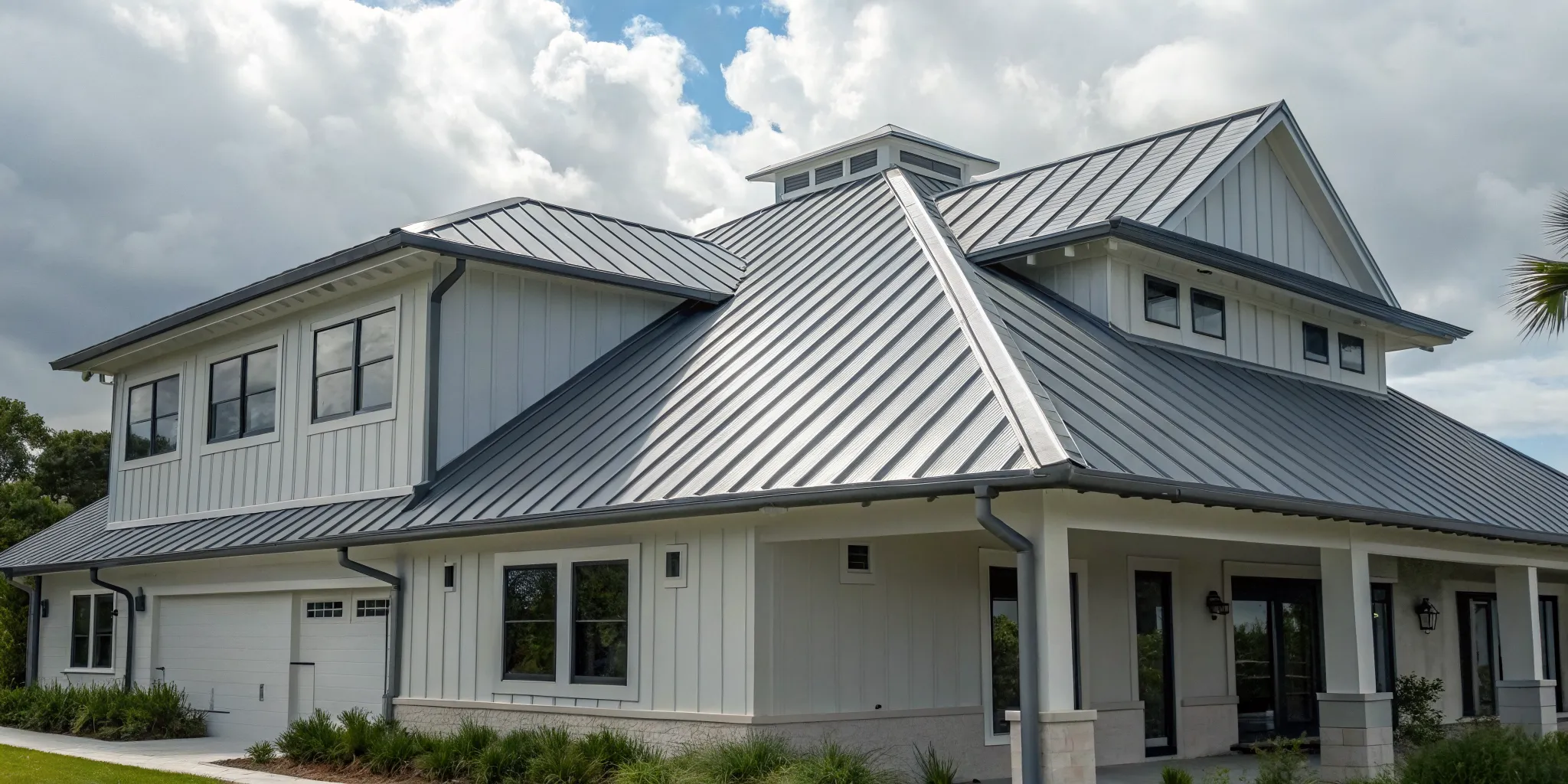
Here in St. Petersburg, we know not all roofs are created equal. A standard roof simply isn’t built to handle a hurricane’s intense wind and flying debris. So what’s the difference between a reliable roof and a liability waiting to happen? It’s not just the shingles; it’s the entire system. This guide cuts through the noise to show you what makes a true hurricane roof. We’ll cover the essentials: impact-resistant materials, secure fastening methods, and why a trusted local installer is absolutely critical for protecting your home.
Key Takeaways
- A storm-ready roof is a complete system: Its strength comes from combining high-wind-rated materials with professional installation techniques that secure every layer of the roof to your home.
- The right contractor is as crucial as the right materials: Always choose a licensed, insured, and local professional with proven experience in high-wind zones to guarantee your roof is installed correctly for Florida’s weather.
- Protect your investment with proactive maintenance: A hurricane-resistant roof can offer long-term value and insurance savings, but regular inspections and pre-storm prep are essential to keep it in top shape.
Understanding Hurricane Threats to Your Home
When we hear a hurricane is on its way, the first thing we usually ask is, “What category is it?” While wind speed is a major factor, it’s only one piece of the puzzle. A hurricane brings a whole host of threats that can impact your home in different ways. Understanding these dangers is the first step in making sure your roof, and your entire home, is truly prepared for whatever the storm throws its way. From coastal surges to hidden tornadoes, knowing what you’re up against is key to protecting your property and the people inside it.
Hurricane Categories and Wind Speeds Explained
The Saffir-Simpson Hurricane Wind Scale is what we use to classify storms. A storm officially gets a name once its winds hit 39 mph, but it doesn’t become a hurricane until winds reach 74 mph. From there, the categories climb. A Category 3 storm, with winds of 111 mph or more, is considered a major hurricane. While higher categories mean more destructive potential, it’s a mistake to underestimate a Category 1 or 2 storm. Even lower-speed winds can lift shingles, turn unsecured yard items into projectiles, and cause significant damage to an unprepared roof. For homeowners in Pinellas County, every named storm deserves our full attention and preparation.
Beyond Wind: Other Dangers to Prepare For
Focusing only on wind speed gives you an incomplete picture of a hurricane’s power. The most devastating and costly damage often comes from other related events that accompany the storm. Water, in particular, is a destructive force that can cause problems long after the winds have died down. From coastal surges pushing seawater miles inland to torrential rain finding its way into your attic, water is a primary enemy of your home’s structure. Hurricanes can also spawn other weather events, creating pockets of intense, localized damage that are impossible to predict, making a resilient roof your most important asset.
Storm Surge and Flooding
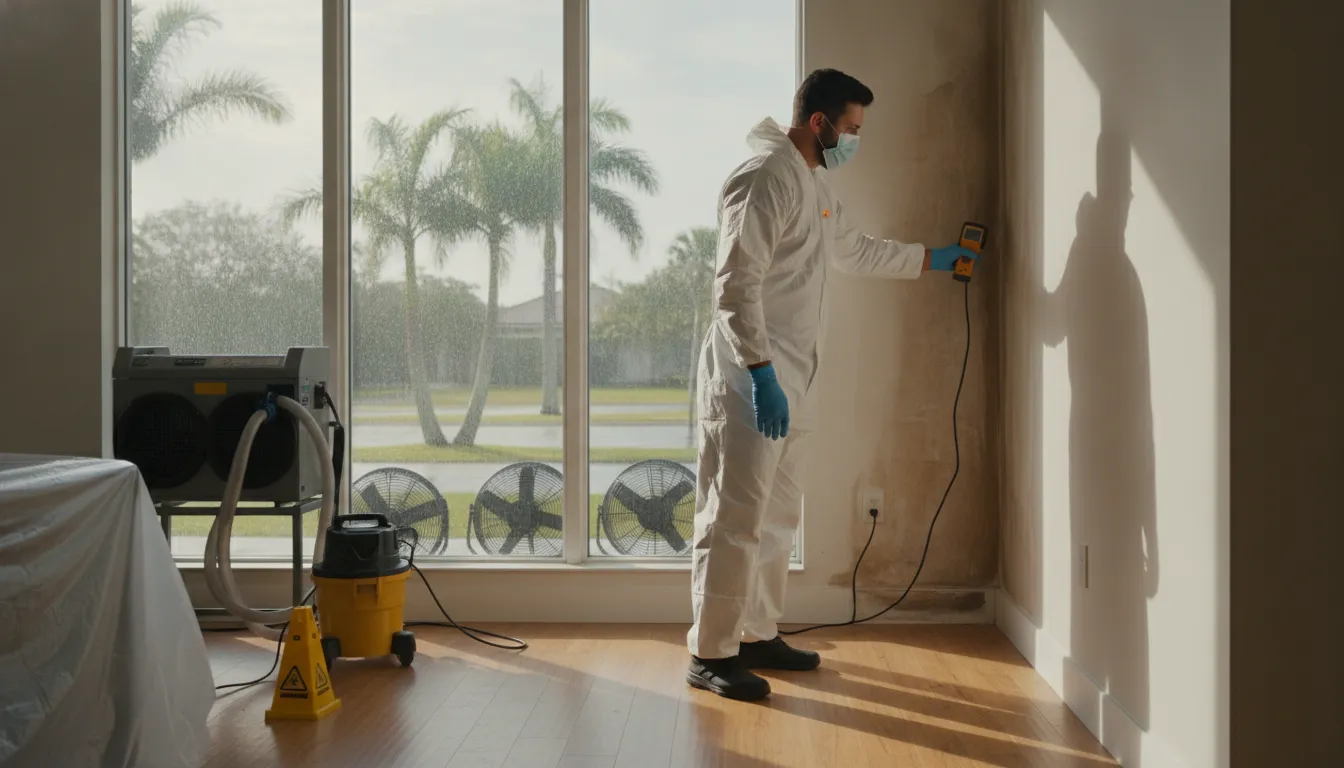
Living in a beautiful coastal area like St. Pete comes with the risk of storm surge. This isn’t just rising water; it’s a wall of ocean water pushed inland by the hurricane’s powerful winds, leading to catastrophic flooding. But flooding also happens from above. If high winds damage your roof, it creates an open invitation for gallons of rainwater to pour into your home, ruining insulation, drywall, and personal belongings. This is why a secure roof is your first line of defense. If your home does experience this kind of water intrusion, addressing it quickly is critical to prevent long-term issues like structural rot and mold. Professional water damage restoration is essential to properly dry out your home and salvage what you can.
Wind-Driven Rain
Wind-driven rain is exactly what it sounds like: rain propelled sideways by hurricane-force winds. This intense, horizontal rainfall can force water into tiny, vulnerable gaps in your home’s exterior, like around windows, vents, and under roof shingles. It’s a sneaky kind of water damage that can go unnoticed at first, seeping into your walls and attic. What’s more, as some experts point out, this type of damage might not be covered by a standard flood insurance policy. A properly sealed and installed roofing system is designed to resist this powerful intrusion, keeping your home dry even when the rain is coming from all directions.
Embedded Tornadoes
As if a hurricane wasn’t enough to worry about, they can also spawn tornadoes as they make landfall. These embedded tornadoes create concentrated zones of extreme wind and flying debris that can tear a roof apart in seconds. Their paths are unpredictable and can cause severe damage to one home while leaving a neighbor’s untouched. This threat highlights why your roof needs to be more than just a cover; it needs to be a shield. Having impact-resistant materials and reinforced fastening is crucial to withstand the violent, rotating winds and potential impacts that these tornadoes can unleash on your property.
What Makes a Roof Hurricane-Proof?
When a hurricane is on the horizon, your roof is the first and most important line of defense for your home. But what exactly separates a standard roof from one that can stand up to severe weather? It’s not just about the materials you choose; it’s about a complete system designed for resilience. A hurricane-ready roof is engineered to handle intense wind, resist impacts from flying debris, and stay securely attached to your home when it matters most. Let’s break down the key components that make a roof truly prepared for a storm.
Aiming for “Resistant,” Not “Proof”
First, let’s be clear: no roof can be completely “hurricane-proof.” The term itself is a bit of a myth. Instead, our goal as homeowners should be to create a roof that is highly “hurricane-resistant.” This resilience isn’t about one single feature but a system of components working together. The design itself plays a part; a roof with a steeper slope, around 30 degrees, is better at resisting the powerful lifting forces of wind. The materials you choose are also critical. Metal roofing is a top contender in areas like ours because it’s extremely durable and can withstand winds exceeding 140 mph. Finally, it all has to be tied together correctly. Reinforced connections like metal straps and clips are essential to fasten the roof securely to the walls of your home, ensuring the entire structure holds strong.
Standing Strong Against High Winds
Hurricane-force winds don’t just blow against your roof; they create powerful uplift forces that can pull shingles and panels right off. These winds also drive rain sideways, pushing water into tiny crevices where it would never normally go. A hurricane-ready roof is designed specifically to counter these forces. Materials are rated for their ability to resist high-speed winds, with some metal roofing systems able to handle gusts of 150 mph or more. The shape of your roof also plays a part, with hip roofs (which have four slopes) generally performing better in high winds than gable roofs (which have two).
Defending Against Flying Debris
During a hurricane, everyday objects can become dangerous projectiles. Tree branches, patio furniture, and loose items from neighbors’ yards can all be thrown against your home at high speeds. A resilient roof needs to be strong enough to resist these impacts without puncturing or cracking. Heavier materials like concrete and clay tiles offer excellent natural resistance because of their sheer weight and durability. For a more budget-friendly option, you can choose impact-resistant asphalt shingles, which are specially designed with a reinforced mat to better absorb the force of flying debris and reduce damage.
Why Secure Fastening is Non-Negotiable
You can have the best materials in the world, but if they aren’t installed correctly, they won’t protect your home. Proper installation is critical for a hurricane-ready roof. This means going beyond the basic building code requirements. Professional contractors use enhanced fastening techniques, such as using more nails per shingle and a closer spacing pattern to secure the roof deck to the trusses. Ring-shank nails, which have more gripping power than smooth nails, are also essential. A secure installation ensures every component of your roofing system works together to form a powerful shield against the storm.
Designing a Hurricane-Resistant Roof Structure
The architectural design of your roof is far more than an aesthetic choice—it’s a critical element of your home’s defense system against hurricanes. From its overall shape to the angle of its slope, every detail influences how your roof will perform under the stress of high winds and torrential rain. A well-designed roof structure works to deflect wind, prevent water intrusion, and maintain its integrity when it matters most. Understanding these design principles is the first step toward building a truly resilient roof that can weather the storm.
The Importance of Roof Shape
When you’re thinking about a new roof, its shape is one of the most important factors in hurricane readiness. The design of your roof directly influences how it interacts with powerful winds. A hip roof, which has four sloping sides that meet at the top, is generally considered the most aerodynamic and wind-resistant option. In contrast, a gable roof, with its two sloping sides and flat, triangular ends, can act like a sail in a storm. The wind hits those flat ends and creates immense pressure and uplift, which can lead to catastrophic failure. For homeowners in St. Petersburg, choosing the right roof shape is a foundational step in protecting your property from severe weather.
Why a Hip Roof is Often Recommended
The reason experts so often recommend hip roofs in coastal areas comes down to simple physics. Because a hip roof slopes on all four sides, wind can flow over and around it more easily, rather than pushing directly against a large, flat surface. This aerodynamic profile significantly reduces the dangerous uplift forces that can tear shingles, panels, and even the underlying roof deck away from your home. By deflecting the wind instead of fighting it, a hip roof is inherently more stable during a hurricane. This design is a proven performer in high-wind regions, making it a smart and reliable choice for any Florida home.
Disadvantages and Considerations for Hip Roofs
While hip roofs offer superior protection, it’s important to know they come with a few trade-offs. Their more complex design requires more materials and a more intricate framing structure, which means they are typically more expensive to build than a simple gable roof. This complexity can also translate to higher labor costs during installation. However, it’s helpful to view this as a long-term investment. The added upfront cost can be offset by the enhanced durability and the potential savings on costly repairs or even a full replacement after a major storm. It’s a balance between initial budget and long-term peace of mind.
Finding the Optimal Roof Slope (Pitch)
Beyond the overall shape, the specific angle, or “pitch,” of your roof is another critical detail. A roof that is too flat can allow wind-driven rain to pool and seep underneath, while a roof that is too steep can catch more wind and act like a larger sail. Research and building science have shown that a moderate slope is often the sweet spot for hurricane resistance. A roof with a pitch between 4/12 and 6/12 (meaning it rises 4 to 6 inches for every 12 inches of horizontal run) provides a great balance. This angle is steep enough to shed water effectively but not so steep that it creates excessive wind load, helping to minimize uplift forces during a storm.
Minimizing Vulnerable Roof Overhangs
Roof overhangs, or eaves, are great for providing shade, but they can become a serious vulnerability during a hurricane. When powerful winds blow against your home, they can get caught underneath long overhangs, creating a powerful lifting force that can pry the edges of your roof right off. To reduce this risk, it’s best to keep overhangs relatively short—experts often recommend a maximum of 20 inches. Minimizing this leverage point makes it much harder for the wind to get a grip on your roof. When planning a new roof installation, a professional contractor can help you design overhangs that offer a good balance of shade and storm safety, ensuring your roof’s edges are as secure as its center.
Choosing the Best Materials for Your Hurricane Roof
Choosing the right material is one of the most important decisions you’ll make for your roof’s longevity, especially here in Florida. The material you select is your home’s first line of defense against intense sun, heavy rain, and hurricane-force winds. While a proper installation is key to any roof’s performance, starting with a high-quality, wind-resistant material gives you a significant head start. Think of it as choosing the right armor for battle; you want something proven to withstand the specific challenges it will face.
The best material for your home depends on several factors, including your budget, your home’s architectural style, and its structural design. Some materials are naturally heavier and may require extra support, while others offer a lightweight yet incredibly durable solution. As you explore your options, consider not just the upfront cost but also the long-term value, potential for insurance discounts, and overall peace of mind. We’ll walk through some of the top choices for hurricane-resistant roofing to help you find the perfect fit for your property.
The Strength of Interlocking Metal Panels
Metal roofs have become a top choice in hurricane-prone areas, and for good reason. Their interlocking panels create a strong, unified shell over your home that is incredibly resistant to wind uplift. Made from materials like steel or aluminum, these roofs are exceptionally durable and can withstand winds of 150 mph or more. Beyond their strength, metal roofs are also energy-efficient, reflecting solar heat to help keep your home cooler. While the initial investment can be higher than other options, their long lifespan and resilience make them a smart choice for Florida homeowners looking for maximum protection.
Wind Resistance and Potential Downsides
While metal roofs are incredibly resistant to wind uplift, they do come with a couple of considerations. The upfront cost is typically higher than for traditional asphalt shingles, which is an important factor for many homeowners’ budgets. However, it’s helpful to view this as a long-term investment in your home’s safety and durability. Another point to consider is the noise level during heavy rain or hailstorms, which can be a concern for some. Fortunately, this can often be managed with proper sheathing and insulation installed underneath the metal panels, turning a potential drawback into a manageable detail for a highly secure roofing system.
Shingles Built for a Storm
If you prefer the classic look of asphalt shingles but want an upgrade in durability, impact-resistant shingles are an excellent option. While they may not have the same wind resistance as metal or tile, they are specifically engineered to better withstand flying debris during a storm, which is a major cause of roof damage. These shingles are a more affordable way to strengthen your roof compared to a full replacement with metal or tile. Choosing impact-resistant shingle roofing can significantly reduce the risk of damage and give you greater confidence when a storm is on the horizon.
What Are Hurricane Shingles?
So, what exactly makes a shingle a “hurricane shingle?” It’s not just a marketing term; it refers to shingles specifically engineered to handle Florida’s severe weather. Unlike standard shingles, these are designed to withstand high wind speeds and resist impacts from flying debris. They achieve this with a few key upgrades: a much stronger adhesive strip that helps seal the shingles together to prevent wind uplift, a reinforced internal mat that absorbs the force of impacts, and an enhanced nailing zone that provides a more secure attachment to the roof deck. These features are what we look for when recommending a shingle roof for a home in St. Pete, as they provide a critical layer of defense against storm damage.
The Heavy-Duty Protection of Tile
The sheer weight of concrete and clay tiles makes them a formidable opponent for high winds. These materials offer natural resistance to wind uplift and are secured with robust anchoring systems, making them a popular and effective choice in our region. Tile roofing provides excellent protection against intense weather and offers a timeless aesthetic that complements many Florida homes. However, because they are so heavy, your home’s structure must be able to support the extra weight. A professional assessment is necessary to ensure your roof framing is up to the task before installation.
Wind Ratings and Installation Considerations
When you’re comparing roofing materials, you’ll notice they all have a wind rating. This number tells you the maximum wind speed the material is designed to handle, but here’s the catch: that rating is only as good as the installation. A top-tier shingle or metal panel won’t protect your home if it isn’t fastened correctly, which is why the quality of the installation is just as crucial as the material itself. A professional roofer who understands Florida’s building codes will use enhanced fastening techniques, like using a specific nailing pattern and the right number of nails, to make sure your roof acts as a single, solid shield against the storm.
Protecting Flat Roofs with Reinforced Membranes
For homes with flat or low-slope roofs, a reinforced membrane system is the way to go. Materials like TPO, EPDM, and PVC are engineered to perform well in extreme weather. When properly installed and fastened, some of these advanced roof membrane systems can withstand uplift pressures from winds exceeding 130 mph. These materials create a seamless, waterproof barrier that protects the vulnerable surface of a flat roof from both wind and water intrusion, making them an essential choice for modern architectural designs in coastal areas.
Lightweight and Strong: Synthetic Composite Tiles
If you love the look of classic slate or wood shake but are concerned about weight or maintenance, synthetic composite tiles are a fantastic modern solution. These tiles are engineered to be lightweight and easy to install, which means they can often be used on homes that can’t support the heavy load of traditional tile. Despite their light weight, they are incredibly tough. Many composite tiles carry a Class 4 impact rating—the highest available—meaning they offer superior resistance to damage from flying debris. With the ability to withstand winds up to 110 mph, they provide a balanced combination of aesthetic appeal, high performance, and structural flexibility for Florida homes.
A Note on Wood Shake Roofing
While wood shake roofing can be engineered to resist incredibly high winds, sometimes up to 200 mph, it’s generally not a top recommendation for our climate here in St. Petersburg. The primary reason is its vulnerability to the elements that have nothing to do with wind. Wood is susceptible to rot, mold, and insect infestations, all of which are constant battles in Florida’s humidity. It’s also combustible, which can be a concern for home insurance. On top of that, wood shake is expensive and requires specialized installation and repair, making it a high-maintenance choice with too many practical drawbacks for most homeowners in our area.
The Unseen Hero: Secondary Water Barriers
Even the strongest roofing materials can be compromised during a severe hurricane. A powerful gust of wind or a direct hit from a large piece of debris could lift or break a shingle or tile, creating an opening for water to get in. This is where your roof’s secondary water barrier becomes the most important feature you didn’t know you had. Think of it as your roof’s plan B. According to experts, a strong, sealed roof deck or a high-quality underlayment is critical to prevent leaks if the outer roof covering fails. This unseen layer is your last line of defense against the kind of widespread water damage that can turn a roofing problem into a whole-house disaster.
The Role of a Sealed Roof Deck
A sealed roof deck is the ultimate backup plan for preventing water intrusion. This process involves applying a special waterproof membrane over the seams of the plywood or OSB sheathing that makes up your roof’s foundation. By sealing these joints, you create a continuous waterproof barrier before any underlayment or shingles are even installed. If wind-driven rain manages to get past your primary roofing material and underlayment, the sealed deck stops it in its tracks. This fortification measure is a key component of the Insurance Institute for Business & Home Safety’s (IBHS) FORTIFIED Roof™ standard and provides an exceptional level of protection against leaks.
Choosing a High-Quality Underlayment
The layer between your roof deck and your shingles is the underlayment, and not all are created equal. While traditional asphalt-saturated felt (tar paper) has been used for decades, modern synthetic underlayments offer far superior performance. These advanced materials are incredibly tear-resistant, lighter, and much more effective at repelling water. As roofing manufacturer Owens Corning points out, synthetic underlayments are designed to protect your roof from wind-driven rain, which is especially important if some shingles blow off during a storm. Choosing a high-quality synthetic underlayment is a simple upgrade that adds a significant layer of security to your entire roofing system.
Self-Adhered Barriers for Critical Areas
Certain parts of your roof are naturally more vulnerable to leaks than others. These include valleys where roof planes meet, as well as areas around vents, chimneys, and skylights. For these critical spots, a self-adhered underlayment, often called an “ice and water barrier,” is essential. This is a peel-and-stick membrane that bonds directly to the roof deck, creating a watertight seal. It effectively blocks water from being pushed up under the shingles in high-wind conditions, providing targeted, heavy-duty protection exactly where your roof needs it most.
Structural Reinforcements That Make a Difference
A hurricane-resistant roof is more than just a collection of strong materials; it’s a cohesive system that is securely anchored to your home’s structure. The most powerful force a roof faces during a hurricane is wind uplift, which can try to peel the entire roof assembly off the walls. To counter this, a series of structural reinforcements are needed to create a continuous load path, transferring these forces safely from the roof down to the foundation. These reinforcements are often hidden from view, but they are the components that truly hold your home together when the winds rage. A professional roofing installation focuses heavily on these structural connections.
Hurricane Straps: Connecting Roof to Walls
Hurricane straps, or clips, are small but mighty pieces of hardware that play a huge role in your home’s stability. These galvanized metal connectors are used to physically tie your roof’s trusses or rafters to the top of your home’s walls. Without them, the roof is essentially just resting on top of the walls, held on by gravity and nails. By installing hurricane straps, you create a solid connection that makes it much more difficult for wind uplift to lift the roof off the house. This is a standard requirement in Florida’s building codes for new construction and a highly recommended upgrade for older homes.
Strengthening the Roof Deck and Attic
The roof deck is the wooden sheathing that serves as the foundation for your shingles or tiles. To prevent it from being torn off in sheets, it must be securely fastened to the underlying trusses. Modern building codes require a closer nailing pattern, using ring-shank nails for superior holding power. For homes with a gable roof—the kind with a triangular end—additional bracing in the attic is also crucial. This involves adding wood supports to strengthen the gable end against the immense pressure of hurricane-force winds, preventing it from being pushed in or collapsing.
Using the Right Fasteners
The type of fasteners used to hold your roof together is a detail that has a massive impact on its performance. It’s not enough to have strong materials; they must be attached with equally strong hardware. Professionals recommend using corrosion-resistant fasteners, like hot-dip galvanized steel or stainless steel, to connect the roof components to the house’s frame. In our coastal environment, salt and moisture can quickly corrode inferior metals, weakening their grip over time. Using the correct length, type, and number of fasteners ensures that every shingle, panel, and piece of sheathing stays exactly where it belongs during a storm.
Why Nails Are Better Than Staples for Shingles
When it comes to attaching asphalt shingles, nails are always the superior choice over staples. As FEMA suggests, nails provide far better security in high-wind areas. The reason is simple: a nail has a wide, flat head that presses the shingle down over a larger surface area. A staple, on the other hand, is just a thin line of metal that can easily tear through the shingle mat under the stress of wind uplift. Furthermore, ring-shank nails have small ridges along the shaft that grip the wood, making them much more difficult to pull out. Using the right nails is a hallmark of a quality roofing job.
How Much Does a Hurricane Roof Cost?
Thinking about a new roof is a big deal, and the cost is often the first thing on everyone’s mind. A hurricane-resistant roof is an investment in your home’s safety and your peace of mind. The final price tag depends on several factors, from the materials you choose to the specific features that make it storm-ready. Let’s break down what goes into the cost so you can plan your budget with confidence.
What You’re Paying For: Materials vs. Labor
The total cost for a new roof typically includes both the materials and the professional labor to install them. On average, a full roof replacement can range from $8,000 to over $25,000. The biggest variable here is your choice of material. For example, impact-resistant architectural shingles are a popular and effective option, while standing-seam metal or classic tile roofs often come with a higher initial price. When you get a free roofing quote, it should clearly separate these costs so you know exactly what you’re paying for. Our team can walk you through the different roofing services and material options to find a solution that fits your home and budget.
How Roofing Brands Impact Your Final Cost
Just like with any major purchase, the brand you choose matters. Leading roofing manufacturers invest heavily in research and development to create products that stand up to extreme weather. Brands like GAF and Owens Corning are known for their advanced technologies and superior materials designed specifically for high-wind regions like ours in St. Petersburg. While a premium brand might cost more upfront, you’re paying for proven performance and durability. These top-tier products often come with better warranties, giving you an extra layer of protection for your investment.
Looking Beyond the Price: Warranties and Value
It’s helpful to look at your new roof as a long-term asset, not just an expense. While materials like metal can have a higher initial cost, their incredible durability and long lifespan often make them more cost-effective over time. A strong warranty is a key part of this long-term value. It protects you from material defects and sometimes even covers labor costs if an issue arises. A well-built, hurricane-resistant roof also reduces the need for frequent repairs, saving you money and stress down the road. Plus, many modern roofing materials can improve your home’s energy efficiency, which helps lower your utility bills.
Can a Hurricane Roof Lower Your Insurance?
Here’s some good news for your wallet: installing a certified hurricane-resistant roof can often lead to significant savings on your homeowner’s insurance. Insurance companies in Florida offer discounts for homes with features that reduce the risk of wind damage, and a fortified roof is at the top of their list. Before starting your project, talk to your insurance agent about what specific roof ratings or features qualify for a premium reduction. We can help you select materials that meet these requirements and provide the necessary documentation for your insurer. Feel free to contact us to discuss which roofing systems offer the best protection and potential savings.
How to Choose the Right Hurricane Roofing Contractor
The best roofing materials in the world won’t protect your home if they aren’t installed correctly. Finding a trustworthy and skilled contractor is just as important as choosing the right shingles or tiles. Your roofer is your partner in protecting your home, so it’s essential to choose a team that is experienced, communicative, and reliable. Here’s what to look for when you’re ready to hire a professional for your hurricane-resistant roof.
The First Step: Verify Licenses and Insurance
Before you even discuss a quote, your first step is to confirm the contractor is properly licensed and insured. This is non-negotiable. A valid license shows they meet state and local requirements, while proper insurance protects you from liability if an accident happens on your property. You can easily verify a contractor’s license through the Florida Department of Business and Professional Regulation. A reputable company will gladly provide you with their license number and proof of insurance, so don’t hesitate to ask for it upfront.
Do They Have High-Wind Area Experience?
Roofing in Florida is a specialized skill. Our weather demands a contractor who has hands-on experience with hurricane-rated materials and installation techniques specific to high-wind zones. Ask potential roofers about their experience with projects in St. Petersburg and Pinellas County. You want a team that understands local building codes inside and out and has a proven track record of installing roofs that stand up to severe weather. A qualified contractor will be able to show you a portfolio as a roofing contractor in St. Petersburg and explain how their methods are designed for our climate.
Why Clear Communication is Key
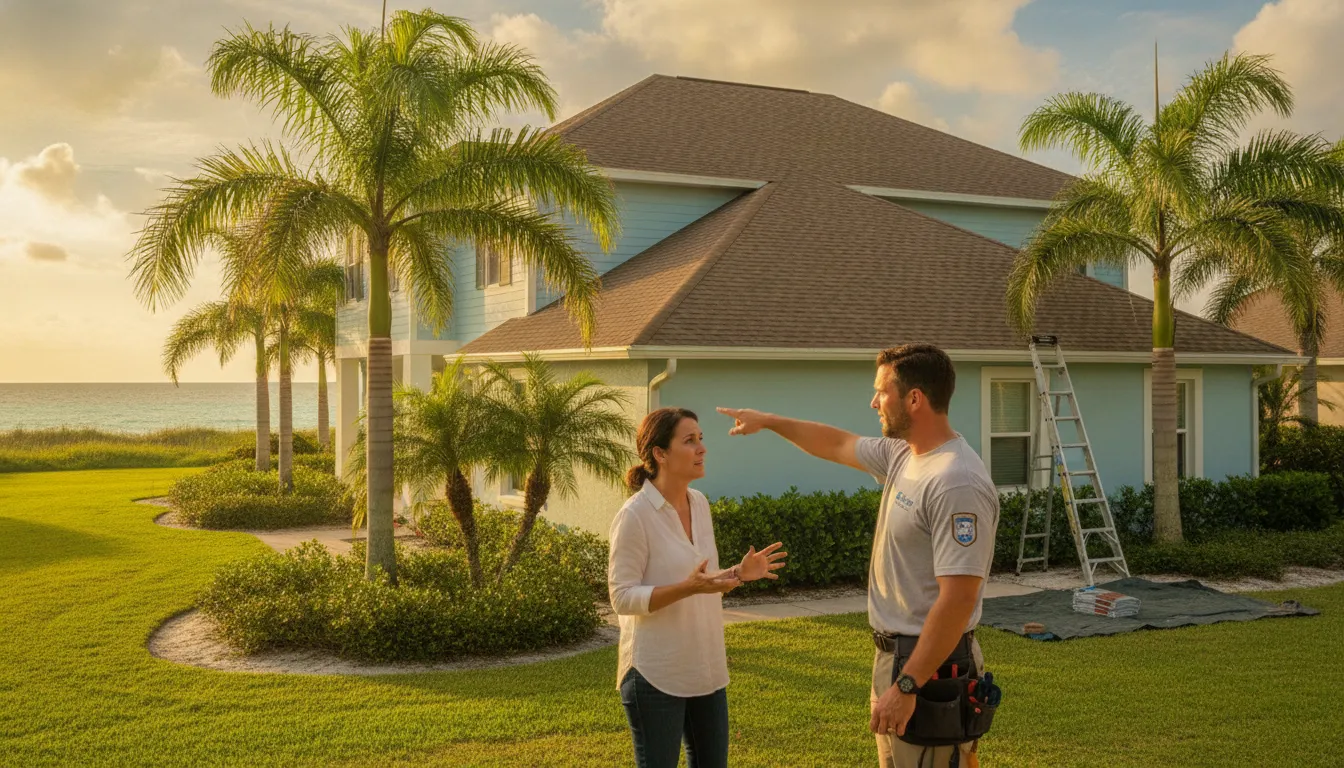
A successful roofing project depends on clear and consistent communication. From the initial inspection to the final cleanup, your contractor should be able to explain what needs to be done, why it’s necessary, and what you can expect every step of the way. They should be able to identify storm damage, calculate your roof’s specific needs, and answer your questions without using confusing jargon. If a contractor is hard to get a hold of or vague with their answers from the start, consider it a red flag.
What Are the Neighbors Saying? Check Reviews
A contractor’s local reputation speaks volumes. Look for a company with deep roots in the community and a history of satisfied customers. Search for online reviews on various platforms, but also consider asking for local references you can speak with directly. Misinformation about roofing is common, and a trusted local expert can provide you with the right advice for your home. A company that is proud of its work will be happy to connect you with past clients or point you toward their testimonials. When you’re ready, you can always contact us to discuss our experience in the area.
Hurricane Roofing Brands to Know
Choosing the right materials is a huge step, but even the best products won’t perform well without expert installation. The roofing industry has several trusted brands known for creating materials that stand up to extreme weather. Understanding what each one offers can help you make an informed decision for your home. We work with top-tier manufacturers to ensure your roof is built with quality materials designed to protect you and your family when it matters most. Here are a few of the key players whose products are excellent choices for Florida homes.
Go Time Restoration
While big brands manufacture the materials, a local, experienced contractor is the one who turns those materials into a secure roofing system. At Go Time Restoration, we specialize in installing roofs designed for St. Petersburg’s unique climate. We understand local building codes and the specific challenges our weather presents. Our team provides the expert roofing services needed to ensure every shingle, tile, or panel is perfectly placed and fastened for maximum wind resistance. Think of us as your local partner in protecting your home, combining world-class materials with skilled, professional installation.
GAF
GAF is one of the most recognized names in roofing, and for good reason. Their products are engineered for durability, which is essential in our area. For example, “GAF Timberline HDZ shingles are designed for high-wind areas, providing superior wind resistance, which is crucial for hurricane-prone regions.” This means they are manufactured with advanced technology to help them stay put during intense storms. For homeowners looking for a reliable and proven option, GAF provides a great balance of performance, style, and value that we often recommend.
Owens Corning
Owens Corning is another industry leader, known for innovation in roofing materials. They offer products that not only protect your home but can also help make it more comfortable. As one source notes, “Owens Corning’s ENERGY STAR shingles are engineered to reflect sunlight, which can help lower energy costs and improve the overall energy efficiency of homes in hurricane zones.” In the Florida heat, a roof that helps keep your home cooler can make a significant difference in your utility bills, giving you both storm protection and energy savings.
DECRA
For homeowners seeking a premium solution with exceptional strength, DECRA is a fantastic choice. This brand specializes in stone-coated steel roofing that offers the look of traditional materials like tile or shingles but with the durability of steel. “DECRA roofs are known for their impact resistance and energy savings, making them a premium choice for homeowners looking for longevity and durability in hurricane conditions.” This makes them highly resistant to damage from flying debris during a storm, offering one of the highest levels of protection available for your home.
How to Maintain Your Hurricane-Resistant Roof
Investing in a hurricane-resistant roof is one of the smartest moves you can make as a Florida homeowner. But it’s not a one-and-done deal. Just like any other major component of your home, your roof needs consistent care to perform at its best when you need it most. Regular maintenance ensures your roof remains a reliable shield against the elements, protecting your investment and giving you peace of mind season after season. Think of it as preventative care for your home’s first line of defense.
Why Regular Inspections Matter
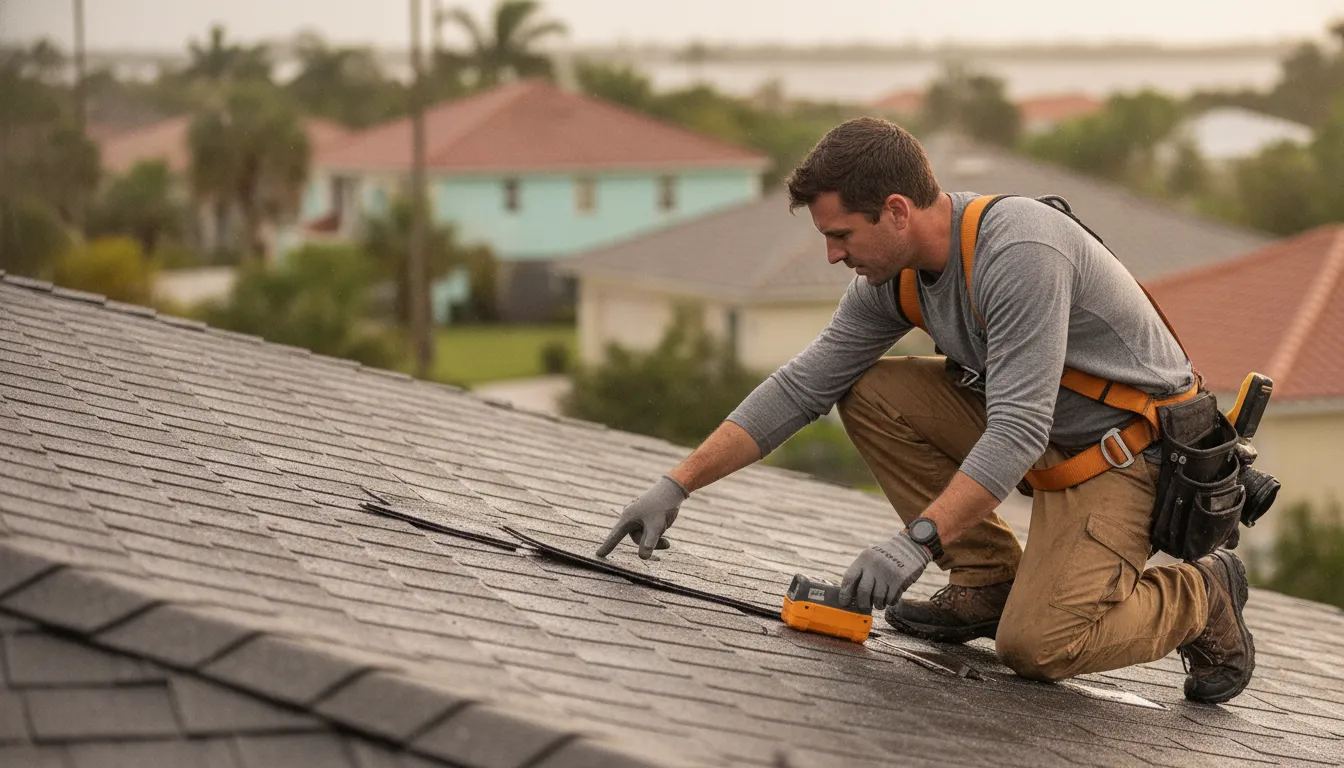
It’s easy to assume a new, strong roof is invincible, but Florida’s intense sun, heavy rains, and high humidity put constant stress on roofing materials. A professional roof inspection is your best tool for catching minor issues, like a loose shingle or compromised flashing, before they turn into major leaks during a storm. Even a single severe weather event can cause hidden damage that compromises your roof’s integrity. Getting an expert opinion helps you sidestep costly misinformation and ensures you have an accurate understanding of your roof’s condition, so you can make informed decisions about its upkeep.
Your Pre- and Post-Storm Checklist
Being proactive before and after a storm can make a huge difference. Before a hurricane is on the horizon, trim any tree limbs hanging over your roof and clear your gutters and downspouts to allow for proper water drainage. Secure loose objects in your yard, like patio furniture or grills, that could become airborne projectiles. After the storm passes, safely walk your property and look for any obvious signs of damage from the ground. Check your attic for water stains or drips. For a thorough post-storm assessment, it’s always best to call in a professional who can safely identify issues you might not see.
Should You DIY or Call a Pro for Repairs?
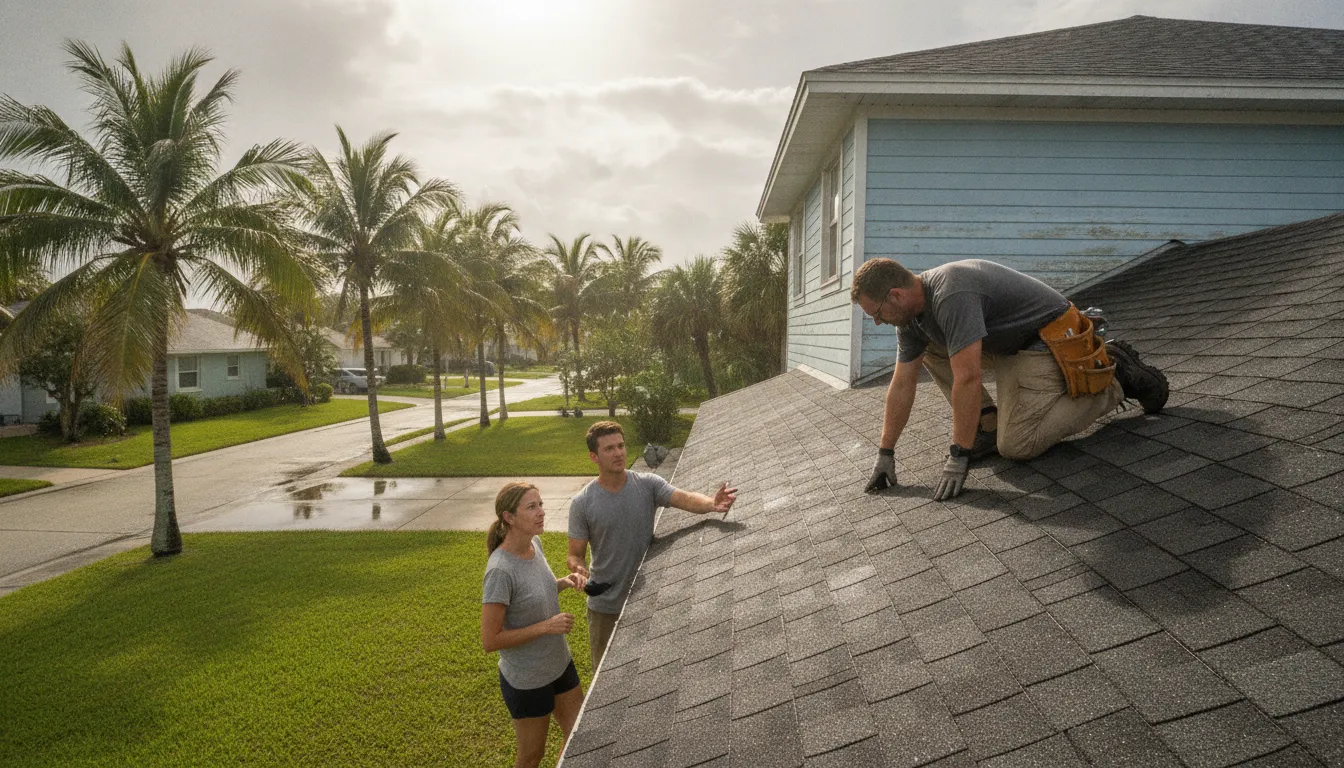
While tackling a weekend project can be satisfying, roof repair is a job best left to the experts. Working on a roof is inherently dangerous without the proper safety equipment and training. Professionals are skilled at spotting subtle signs of wear and tear that an untrained eye would miss. Attempting a DIY fix can often lead to more significant problems down the road and may even void your roofing material’s warranty. By hiring a licensed and insured contractor, you ensure the job is done right, maintaining your roof’s ability to withstand high winds and heavy rain. When you spot a problem, get in touch with a professional to handle it correctly.
Applying Asphalt Cement for Extra Security
Think of asphalt cement as the ultimate glue for your roof. This powerful adhesive provides an extra layer of security, helping to secure shingles and other roofing components against the intense forces of a hurricane. A professional installer applies this cement at the most critical points, like the edges and seams of your shingles, which are especially vulnerable to wind uplift. By creating a stronger bond, this material significantly reduces the risk of wind-driven rain getting underneath your shingles and causing leaks. It’s a simple but highly effective technique that adds another level of resilience to your roofing system, ensuring every part works together to keep your home safe and dry.
Scheduling a Wind Mitigation Inspection
One of the most valuable things you can do for your home is to schedule a wind mitigation inspection. This isn’t just a standard check-up; it’s a specialized assessment designed to identify your roof’s specific vulnerabilities to hurricane-force winds. A certified inspector will examine how your roof is constructed and attached to your home, looking for features that increase its storm resistance. This proactive step is a win-win. Not only does it give you a clear roadmap for any necessary improvements, but a favorable report can also lead to significant discounts on your homeowner’s insurance. A professional roof inspection is the best way to catch small issues before they become major problems during a storm.
Related Articles
Frequently Asked Questions
How often should I have my roof inspected for storm readiness? It’s a great practice to have your roof professionally inspected at least once a year, especially before hurricane season begins. An annual checkup allows an expert to spot and address any minor vulnerabilities before they become serious problems during a storm. It’s also wise to schedule an inspection after any major weather event, even if you don’t see obvious damage from the ground.
Is a metal roof the only truly “hurricane-proof” option? While metal roofs offer some of the highest wind resistance available, they aren’t the only strong choice. Properly installed concrete or clay tiles are incredibly resilient due to their weight and durability. Additionally, modern impact-resistant shingles are specifically engineered to handle high winds and flying debris far better than standard shingles. The best option for you depends on your home’s structure, your budget, and your personal style.
Will a new hurricane-resistant roof guarantee a discount on my homeowner’s insurance? Installing a fortified roof often leads to significant insurance discounts, but it isn’t an automatic guarantee. Insurance providers have specific requirements for what qualifies, which can include the type of material used, its wind-resistance rating, and the installation methods. The best approach is to talk with your insurance agent beforehand to see what features will earn you a premium reduction.
What’s more important for hurricane protection: the roofing material or the installation quality? This is a great question, and the honest answer is that they are equally important. You can have the most advanced, storm-rated materials on the market, but if they are not fastened correctly, they can fail under pressure. A proper installation by an experienced, licensed contractor ensures that every component, from the deck to the final shingle or panel, works together as a single, powerful system to protect your home.
My roof isn’t that old. How do I know if it’s truly prepared for a hurricane? The age of your roof is just one piece of the puzzle. A newer roof might not be up to current storm-ready standards if it wasn’t installed with enhanced fastening techniques or if it has sustained minor damage from past storms. The only way to know for sure is to have a professional contractor evaluate its condition, check the fastening patterns, and assess its overall integrity.