Mold damage in a Florida home can spread within twenty-four hours under Pinellas County’s high humidity.
The average national cost of mold removal is between $1,200 and $3,750, though severe cases can range much higher. For local property owners, determining exactly how much does mold remediation cost depends on the size of the growth, its location, and the level of structural damage. Standard mold remediation projects for small, contained areas typically start around $500, while multi-room remediation often costs $3,000 or more. Because mold thrives in the warm climate of St. Petersburg, getting a professional evaluation from a certified specialist is the best way to secure an accurate cost estimate and prevent the infestation from returning.
Schedule your free mold damage assessment in St. Petersburg today. Call (727) 361-6905.
The average national cost of mold removal is between $1,200 and $3,750, though severe cases can range much higher. For local property owners, determining exactly how much does mold remediation cost depends on the size of the growth, its location, and the level of structural damage. Standard mold remediation projects for small, contained areas typically start around $500, while multi-room remediation often costs $3,000 or more. Because mold thrives in the warm climate of St. Petersburg, getting a professional evaluation from a certified specialist is the best way to secure an accurate cost estimate and prevent the infestation from returning.
Finding mold in your home is stressful, but understanding your potential costs can help you make a smart recovery plan. Getting a clear answer to how much does mold remediation cost helps you budget wisely and act fast. This guide covers the typical price ranges for Florida homes, the factors that drive costs up or down, when your insurance policy may help, and the warning signs that mean you need professional help right away.
How Much Does Mold Remediation Cost in Florida?
For most property owners, the average mold remediation cost in Florida lands near $2,300 to $2,400. Depending on the size and location of the problem, professional mold remediation costs generally range from $1,200 to $3,750, according to cost data from Palm Building and Restoration. This price range represents the typical scope for a standard residential project. However, the unique environmental factors in Florida, such as high heat, intense humidity and severe tropical storms, can cause mold to spread quickly and drive up these final expenses.
Florida Cost Ranges vs National Averages
While national pricing guidelines offer a helpful starting point, Florida property owners face distinct regional factors. High indoor humidity, frequent tropical storms, and coastal sea breezes make local buildings highly prone to moisture issues. Additionally, Florida law requires professionals who handle mold cleanup to hold a mold remediator license, which is a state level credential that ensures safety and quality. When you hire licensed professionals, you ensure that the work complies with strict state safety codes. Though this standard of care can influence local pricing compared to states with fewer rules.
The scale of the moisture problem is the primary driver of your total bill. A small, contained mold outbreak in a bathroom can cost as little as $500 to remove. While a major infestation that has spread to multiple rooms can cost $3,000 or more, based on scale data from Servpro. Homeowners must address these issues quickly before the mold spreads and inflicts structural damage on the building.
Per Square Foot Pricing
Many local experts quote the cost of mold remediation at $10 to $25 per square foot, which includes both materials and labor, as noted by pricing records from ATI Restoration. This unit rate helps contractors estimate larger projects or spaces with widespread surface growth. In some situations with very light surface mold or simple setups. The cost can range from $2.50 per square foot to $25 per square foot, including materials and labor, according to cost estimates compiled by Look for the Realtor.
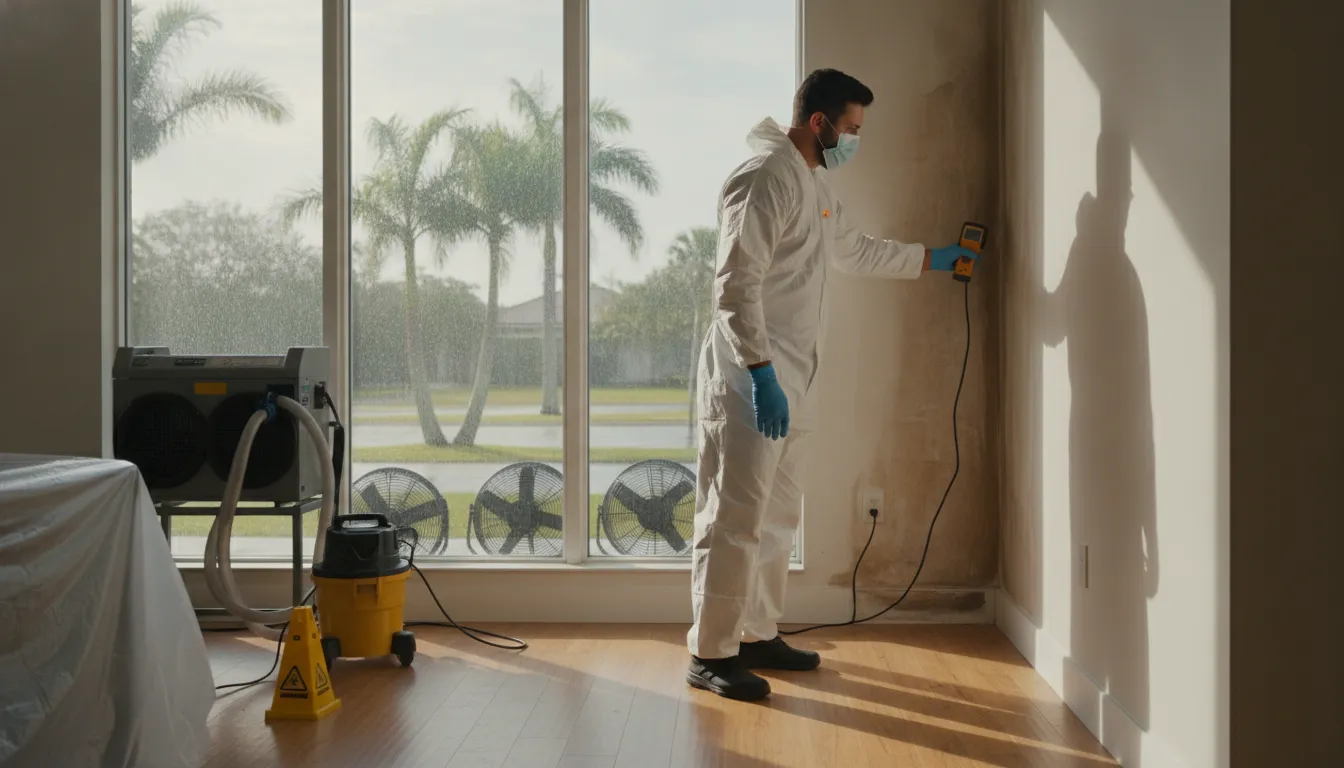
It is important to remember that square footage is not the only metric used to determine costs. Specialized containment barriers, negative air pressure machines, and structural drying equipment are often necessary to keep mold spores from spreading to clean areas of your home. These equipment and safety setups are included in the overall service fee to protect your indoor air quality.
Typical Costs by Location in the Home
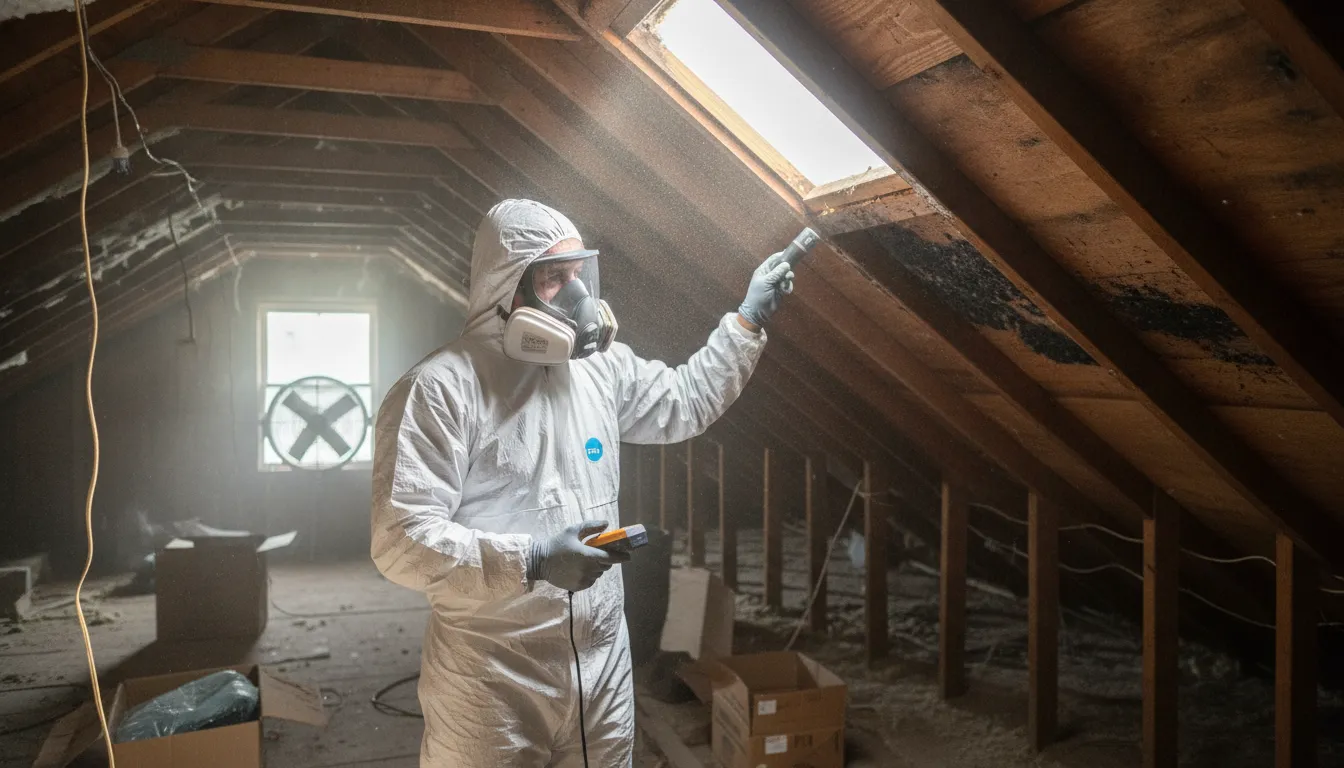
The location of the mold growth in your home has a major impact on the total price. Spaces that are hard to reach, require heavy safety gear, or have complex layouts will always cost more to clean than open, easily reached rooms. For example, attic mold remediation typically costs between $1,000 and $4,000. While basement projects generally range from $500 to $3,000, depending on the severity of the infestation, as reported by Servpro. Crawl spaces, wall cavities, and HVAC ductwork can also require special methods that alter the final invoice. Homeowners can use the table below to compare typical costs across common areas of a house.
| Area of the Home | Typical Cost Range | Primary Cost Factors |
|---|---|---|
| Bathroom or Small Room | $500 – $1,500 | Fixture removal, simple containment, localized drying |
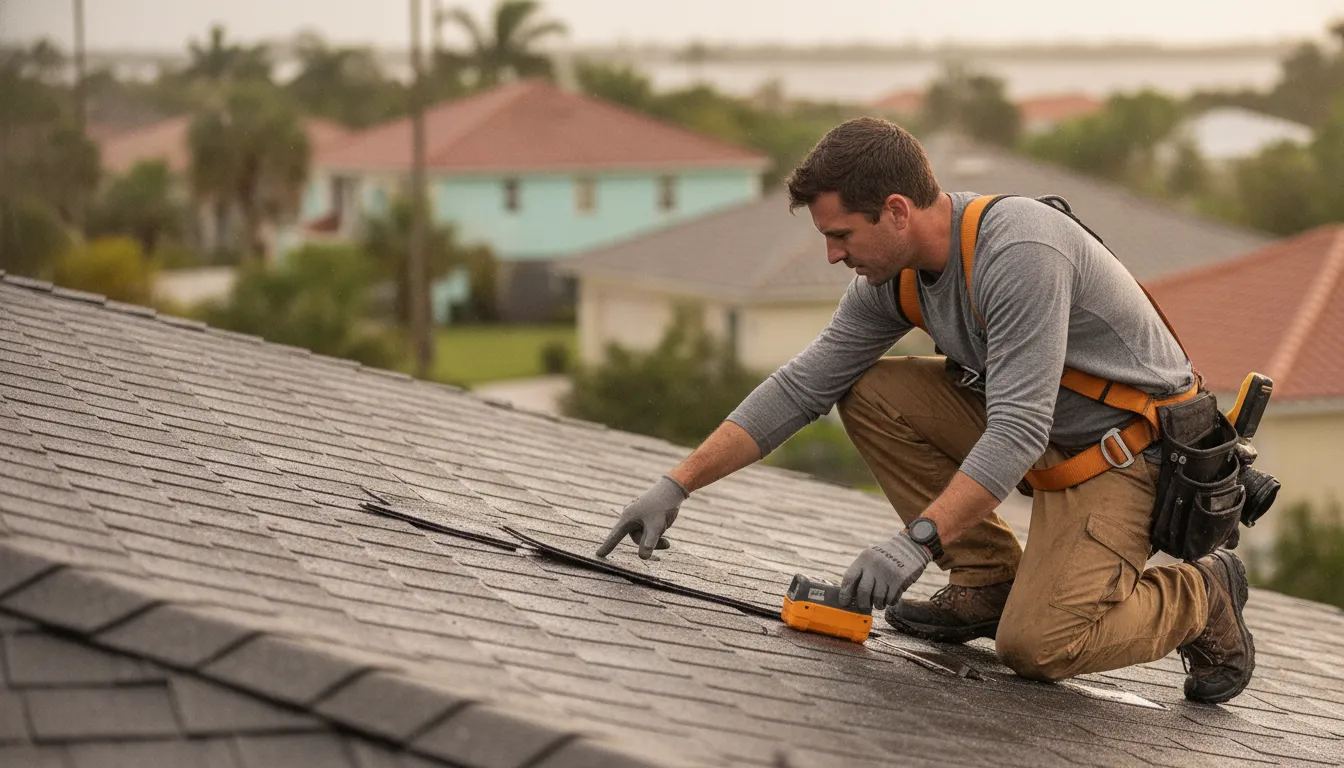
| Attic | $1,000 – $4,000 | Difficult access, roof leak repair, insulation replacement |
| Basement or Crawl Space | $500 – $3,000 | High moisture level, foundation sealing, tight workspace |
| HVAC and Ductwork | $1,500 – $5,000 | System cleaning, filter changes, air scrubbers |
| Whole-House Project | $10,000 – $30,000 | Widespread storm damage, extensive reconstruction, long-term drying |
In extreme cases, such as home flooding from a hurricane, mold can spread through walls, floors, and ceilings. For these severe scenarios, whole-house projects can range between $10,000 and $30,000, according to Palm Building and Restoration. When dealing with such extensive damage, hiring an experienced team for mold remediation in Florida is essential to restore the structure and protect the health of your family.
What Determines the Final Cost of Mold Remediation?
Every mold cleanup project has its own scope and set of challenges. A small bathroom cleanup is much simpler than treating an entire house, and understanding these differences can help you plan your budget. Several key factors dictate how much does mold remediation cost for your specific property.
The Size of the Infestation
The total area covered by mold is the main driver of project pricing. A small, contained mold outbreak in a single bathroom can be remediated for as little as $500, according to industry standards recorded by Servpro. However, when mold spreads across multiple rooms, the cost often exceeds $3,000 because of the extra labor and materials required. Larger projects need more protective barriers, more air scrubbers, and more work hours to ensure the area is safe.
Location and Accessibility
Mold that grows in easy-to-reach areas like open walls or concrete floors is relatively simple to clean. In contrast, infestations hidden in attics, tight crawl spaces, or inside finished drywall are much harder to access. Technicians must work in confined spaces, which slows down the process and increases labor costs. Hard-to-reach locations also make it difficult to set up containment zones, raising the overall fee.
The Extent of Material Damage
Mold feeds on organic materials like wood, carpet, ceiling tiles, and drywall. If the mold has penetrated deeply into these items, they cannot be cleaned and must be removed. Replacing ruined drywall, insulation, or wood framing adds to your final bill. If you are dealing with professional mold remediation, the cost of replacing these structural components will be itemized in your estimate.
Moisture Source Complexity
You cannot solve a mold problem without finding and stopping the water source first. According to a home mold guide by the University of Florida IFAS Extension, moisture is the fundamental requirement for mold growth. Without fixing the water issue, mold will return. Finding a slow, hidden leak inside a wall is much harder than fixing a simple burst pipe, and this diagnostic work can add to the total cost. In humid coastal environments like Pinellas County, repairing the moisture source right away is critical to keeping costs from rising.
Containment and HEPA Filtration Needs
To stop spores from spreading to clean parts of your home, technicians must build airtight plastic containment zones. They use negative air pressure machines and HEPA filters to trap airborne spores. The size of the containment zone and the number of machines required depend directly on the scale of the mold issue. Larger projects require more equipment, which increases the rental and setup fees on your final invoice.
Does Homeowners Insurance Cover Mold Remediation in Florida?
For most Florida property owners, the cost of removing mold depends heavily on whether their homeowners insurance policy will cover the work. Whether your provider pays for clean up is determined by the root cause of the moisture. To help you understand how these rules apply, we have broken down how insurance companies view mold claims. What counts as a covered peril, and the steps you must take to protect your coverage.
Understanding Covered Perils and Exclusions
An insurance policy does not cover mold on its own. Instead, it covers the sudden water event that caused the mold to grow. If a pipe bursts or an appliance overflows and causes water damage, the policy should cover both the water extraction and the resulting professional mold remediation. These sudden, unexpected events are known as covered perils.
However, insurance companies will deny a claim if the mold is caused by neglect, lack of maintenance, or long-term moisture issues. For example, if a slow, hidden leak from a pipe behind a wall drips for months, the carrier will likely exclude the mold from coverage. Homeowners must maintain their properties to prevent long-term damage. According to the University of Florida IFAS Extension, moisture is the fundamental requirement for mold growth, and you cannot have mold without a moisture source. If the moisture is due to a failure to make repairs, the cost falls on the owner.
How Water Damage Affects Insurability
Taking immediate action after a water leak is critical for both preventing mold growth and securing insurance coverage. Mold can begin to grow in water-damaged areas within just 24 to 48 hours of exposure. If you wait to dry out your property, you risk a denial from your insurance provider.
Most policies require homeowners to take reasonable steps to prevent further damage after a water loss. This is known as your duty to mitigate. If you do not hire a team to dry the space within 24 to 48 hours, the insurance adjuster may argue that your delay caused the mold. In that case, the carrier may pay for the initial water damage but exclude the cost of the mold cleanup. Acting fast keeps your home safe and protects your insurance claim.
The Claims Process for Florida Homeowners
Navigating an insurance claim in Florida requires strict adherence to timelines and documentation. As soon as you find water damage or mold, you must contact your insurance company to start the claims process. You will need to take clear photos of the mold, the affected materials, and the source of the water before any cleanup begins.
The insurance carrier will send an adjuster to inspect the damage and evaluate your claim. You should have a licensed restoration contractor present during this visit to ensure all hidden moisture is documented. Florida law has strict rules about claims handling, and insurance companies must adhere to specific communication timelines. To ensure you receive fair pricing and a transparent scope of work, you should ask your contractor for a detailed plan before they start the remediation. Getting multiple estimates can also help you confirm mold removal services are priced fairly.
Florida Insurance Rules and Local Endorsements
Florida insurance rules are much stricter than those in other states due to our humid subtropical climate and high risk of storms. Many standard policies in Florida place a hard cap on mold coverage, often limiting payouts to $10,000 for remediation and testing. If your cleanup exceeds this cap, you must pay the remaining balance out of pocket unless you purchased a higher limit endorsement.
For property owners in Pinellas County, it is also vital to review specific policy endorsements. Standard homeowners insurance does not cover flood damage from rising storm waters or storm surges. If a hurricane floods your home and causes mold, you will need a separate policy through the National Flood Insurance Program to cover the damage. Additionally, sinkhole activity in Pinellas County can cause structural shifts that crack pipes and lead to water intrusion. Reviewing your sinkhole and flood endorsements ensures you have the necessary coverage before a disaster strikes.
When Is Professional Mold Remediation Required?
Professional mold remediation is required when an indoor mold infestation spreads over ten square feet, grows inside your heating and cooling systems, or returns after basic cleaning. In Florida, the humid subtropical climate makes quick action vital to protect both your health and your property. If you have visible mold after major water damage, or if you suspect hidden growth behind your walls. Hiring a licensed specialist is the safest way to address the problem and find out when mold remediation is required in Florida rules.
Understand the Health Risks of Mold Spores
While there are about 100,000 mold species and most are harmless, large indoor infestations can cause severe health issues. Airborne mold spores can be inhaled easily, leading to adverse health reactions that range from mild allergies to serious breathing issues. Under specific conditions, some molds can also produce mycotoxins, which are harmful health agents linked to various types of diseases. You can read more about these risks on the University of Florida IFAS Extension site, which outlines why timely cleanup is so important for local families.
Recognize the Florida Licensing Requirements
The state of Florida regulates the mold industry closely to protect consumers from conflicts of interest. Florida law strictly separates the professionals who inspect mold from the ones who actually clean it up. Mold assessors are licensed to inspect, analyze, and recommend actions, while mold remediators are licensed to perform the physical cleanup work. Homeowners should also know the difference between a mold inspection vs mold remediation process before hiring a company to work on their home. This legal boundary helps ensure you get an honest assessment of how much work your home actually needs.
Watch for Hidden Mold and Water Damage
Hidden mold is a major risk after severe storms or plumbing leaks. If you do not prevent mold after a hurricane or major flood, water trapped inside your drywall or under flooring will trigger rapid spore growth. You should look for musty odors, water stains on ceilings, or peeling wallpaper as key signs of hidden trouble. When mold infests your HVAC ductwork, insulated attics, or crawl spaces, standard DIY cleaning methods will not work. A certified professional has the containment tools and air scrubbers needed to extract spores safely without spreading them to other rooms.
Frequently Asked Questions
How much does mold remediation cost in Florida?
Professional mold remediation in Florida generally costs between $1,200 and $3,750, with a national average near $2,300 to $2,400. This data comes from a cost analysis by Palm Building. For small or highly contained areas, costs can drop to $500, while severe mold issues affecting multiple rooms can quickly exceed $3,000.
How much does it cost to remediate mold in an attic?
The cost to remove mold from an attic typically ranges between $1,000 and $4,000. These figures are based on price estimates from Servpro. The final price depends on how easy it is to access the space and whether the roof leak has caused structural damage to the wood framing.
Does homeowners insurance cover mold remediation?
Homeowners insurance only covers mold remediation if the growth results from a sudden and accidental covered peril, such as a burst plumbing pipe. Policies do not cover mold caused by long-term neglect, high humidity, or lack of home maintenance. You should check your specific policy terms or talk with your insurance agent for details.
Why is moisture control important during mold removal?
Moisture is the fundamental requirement for mold growth. According to the University of Florida IFAS Extension, you cannot have mold without moisture. If you do not find and fix the underlying leak or high humidity source, the mold will return, which leads to additional clean-up costs.
When is professional mold remediation required?
Professional mold remediation is required if the affected area is large or if you suspect mold is causing health issues. Spores can cause allergic reactions or severe illness in sensitive individuals. Experts at the University of Florida report that some molds produce harmful mycotoxins linked to disease, making safe professional removal critical.
Delaying mold removal only allows moisture to spread, causing structural wood rot and increasing your total repair bills. Acting quickly stops active fungal growth before it damages your home’s foundation or impacts your family’s health. Our local experts can inspect the area, locate the hidden water source, and create a safe containment plan today.
When you call Go Time Roofing & Restoration, you get a certified team that understands Florida’s unique mold challenges. We handle everything from inspection through full remediation and coordinate directly with your insurance provider when possible.
Ready to schedule a free mold damage assessment? Call Go Time Roofing & Restoration at (727) 361-6905 or contact our team online on our contact page to secure your home now.