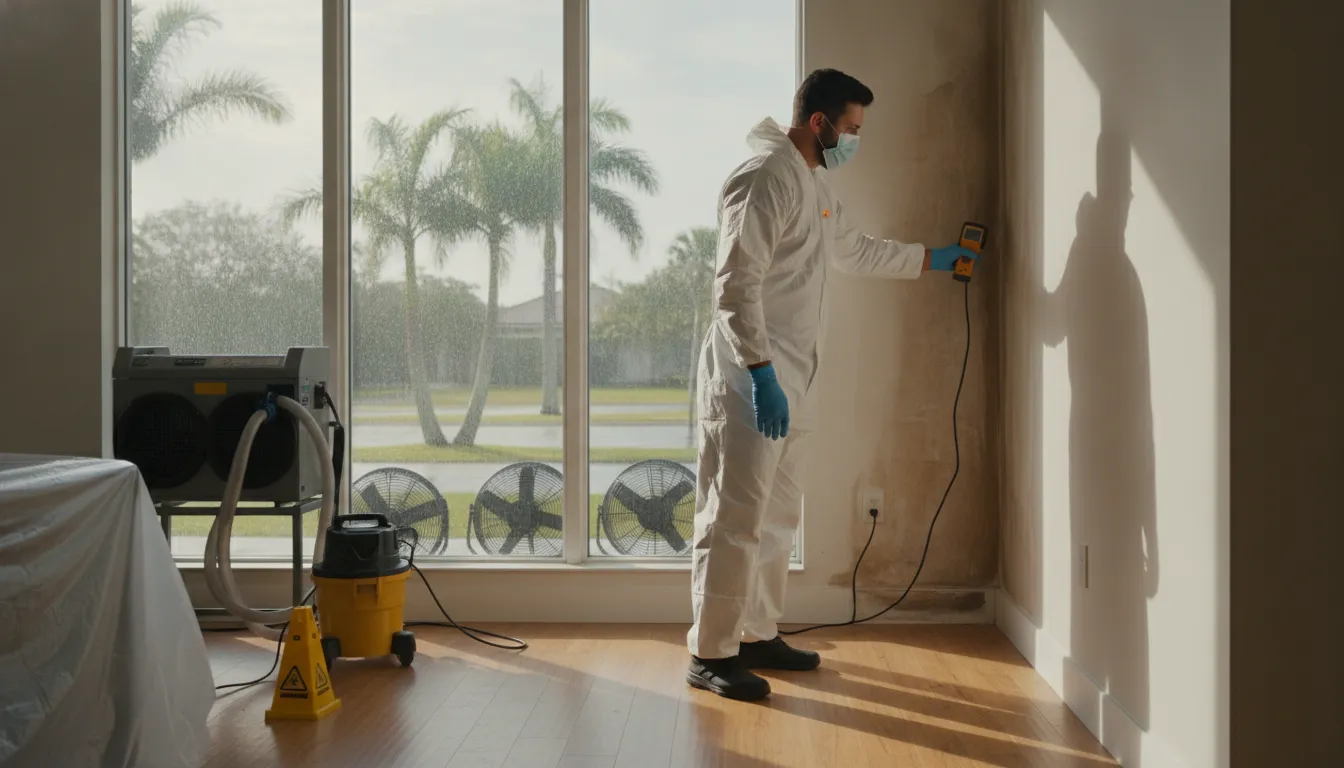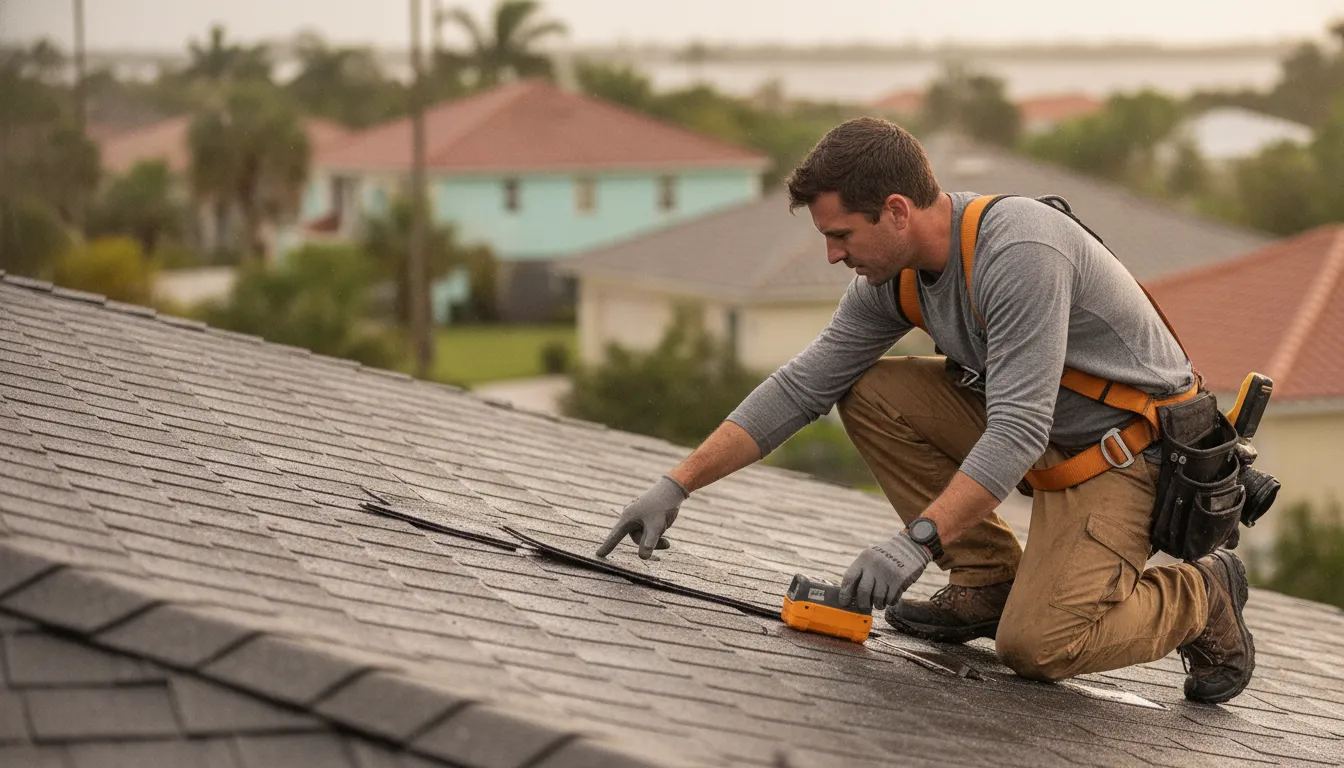
In St. Petersburg and Pinellas County, a small leak, condensation problem, or storm-related moisture issue can create the conditions for fungal growth. Florida’s high humidity supplies the consistent moisture that mold and mildew spores need to multiply, so wiping away visible spots may not solve the underlying problem.
Schedule your free mold assessment in St. Petersburg today. Call (727) 361-6905.
Mold mildew removal starts with identifying the growth and correcting its moisture source. Small areas on hard, washable surfaces may be manageable with careful cleaning, but extensive growth, porous materials, recurring moisture, or uncertain contamination call for professional remediation.
The first step is knowing what you are seeing. Mold and mildew are related fungi, but their appearance, growth pattern, and behavior can help you choose a safer response.
How to Tell Mold and Mildew Apart in Your Home
Answer: Mildew usually appears as a flat, powdery coating on a surface, while mold often looks fuzzy, slimy, or deeply established. A persistent musty odor can also signal hidden mold, especially in damp, poorly aired areas.
Florida’s heat and humidity can support both growth types, particularly after heavy rain, plumbing leaks, or storm-related water intrusion. Appearance provides useful clues, but it does not always reveal how far contamination has spread.
What mildew usually looks like
Mildew is a type of fungus, and people often use the term broadly for visible fungal growth. It commonly forms a flat layer that looks powdery or dusty.
White, gray, or yellow patches may develop on painted walls, bathroom surfaces, fabrics, or other exposed materials. Mildew often stays near the surface when moisture remains limited and the affected material is relatively nonporous.
That surface-level appearance does not make mildew harmless or permanent. Continued humidity can allow the growth to spread, discolor materials, and contribute to indoor odors.
How mold differs from mildew
Mold consists of microscopic fungi that grow through multicellular filaments called hyphae. These filaments can penetrate organic materials, including paper, leather, clothing, wood, walls, and floors.
Visible mold may look fuzzy, slimy, or irregular. Its color can range from green and brown to gray or black, although color alone cannot identify a specific type or determine its risk.
Because mold can extend below the visible surface, wiping away a spot may not remove the underlying growth. Porous materials may require careful evaluation, drying, removal, or professional remediation.
| Trait | Mildew | Mold |
|---|---|---|
| Appearance | Flat, powdery, dusty | Fuzzy, slimy, irregular |
| Common colors | White, gray, yellow | Green, brown, gray, black |
| Growth depth | Stays near the surface | Penetrates organic materials |
| Common trigger | Surface moisture | Persistent or internal moisture |
| Common result | Discoloration, odor | Material damage, deeper contamination |
Color alone does not identify a specific fungus or determine its risk. Depth and moisture control matter more than the exact shade.
For Florida homeowners, the key distinction is depth and moisture control. A small surface film may respond to appropriate cleaning, while growth that returns quickly can point to an unresolved leak or hidden dampness.
Why a musty smell matters
A strong musty odor can indicate mold growth in an unaired or concealed area. The smell may come from behind drywall, beneath flooring, inside cabinets, or near damp insulation.
Follow the odor toward likely moisture sources, but avoid opening walls or disturbing suspicious materials unnecessarily. Check for roof leaks, plumbing failures, condensation, and areas affected by recent storms.
Document visible changes and address the moisture source promptly. If the odor persists without an obvious surface cause, professional assessment can help identify the affected materials and guide safe mold mildew removal.
Do not rely on color or smell alone to make a health or safety determination. When growth covers a large area, returns after cleaning, or involves porous materials, seek qualified remediation guidance.
For more information, review the EPA’s explanation of mold and mildew differences.
Why Florida’s Humidity Makes Mold a Recurring Problem
Florida’s humid subtropical climate gives mold and mildew a dependable moisture supply, especially in homes across St. Petersburg, Tampa Bay, and Pinellas County.
High humidity constantly provides the moisture that mold and mildew spores need to proliferate. In practical terms, a home can appear dry while damp air continues supporting growth in hidden or poorly ventilated areas.
Bathrooms, kitchens, laundry rooms, closets, attics, and spaces near exterior walls deserve close attention. Condensation can accumulate around cool surfaces, while limited airflow allows moisture to linger longer than it should.
Florida homes also face moisture events that can accelerate the problem. A small plumbing leak, roof leak, appliance failure, or storm-related intrusion may wet drywall, insulation, flooring, or wood.
When those materials remain damp, mold can return after surface cleaning. The visible spot may be only one part of a broader moisture problem behind a wall, beneath flooring, or above a ceiling.
Leak repair should happen immediately rather than after the odor or staining becomes severe. Fixing the source prevents new moisture from feeding additional growth and helps protect building materials from secondary damage.
Indoor humidity should also remain as low as practical. Air conditioning, dehumidification, and consistent ventilation can reduce the moisture available to spores, particularly during Florida’s wetter periods.
Ventilation matters most where steam and warm air are produced. Bathroom exhaust fans should move moisture outdoors, and kitchen ventilation should limit condensation settling on nearby surfaces.
A musty odor can provide an early warning, even when visible growth is limited. The EPA notes that mold in unaired areas can produce a strong musty smell.
The EPA explains the difference between mold and mildew, including why moisture management matters for both conditions.
Homeowners should treat recurring growth as a moisture-control issue, not merely a cleaning issue. Repeatedly wiping surfaces without correcting leaks, humidity, or airflow leaves the underlying conditions unchanged.
After a roof or plumbing event, prompt drying is especially important. If moisture has spread into porous materials, emergency water damage restoration can address the source before mold becomes established.
For homeowners comparing response options, understanding mold remediation cost in Florida can help clarify why source control and material removal affect the scope of work.
Florida’s climate does not make recurring mold inevitable, but it leaves less room for delayed maintenance. Early leak repairs, lower indoor humidity, and better airflow create conditions that are less favorable for regrowth.
Mold and Mildew Removal: Small Areas You Can Handle Yourself
Small patches on non-porous surfaces may be suitable for careful homeowner cleanup. DIY mold and mildew removal is appropriate only when the affected area is limited, accessible, and connected to a resolved moisture problem.
For a larger area, porous materials, hidden growth, or ongoing water intrusion, stop cleaning and seek professional guidance. Florida’s humidity can allow remaining moisture to support renewed growth.
- Confirm the cleanup is limited. Keep the project to a small area, generally under about 10 square feet, on hard, non-porous surfaces. Do not disturb heavily contaminated drywall, insulation, carpet, or other porous materials.
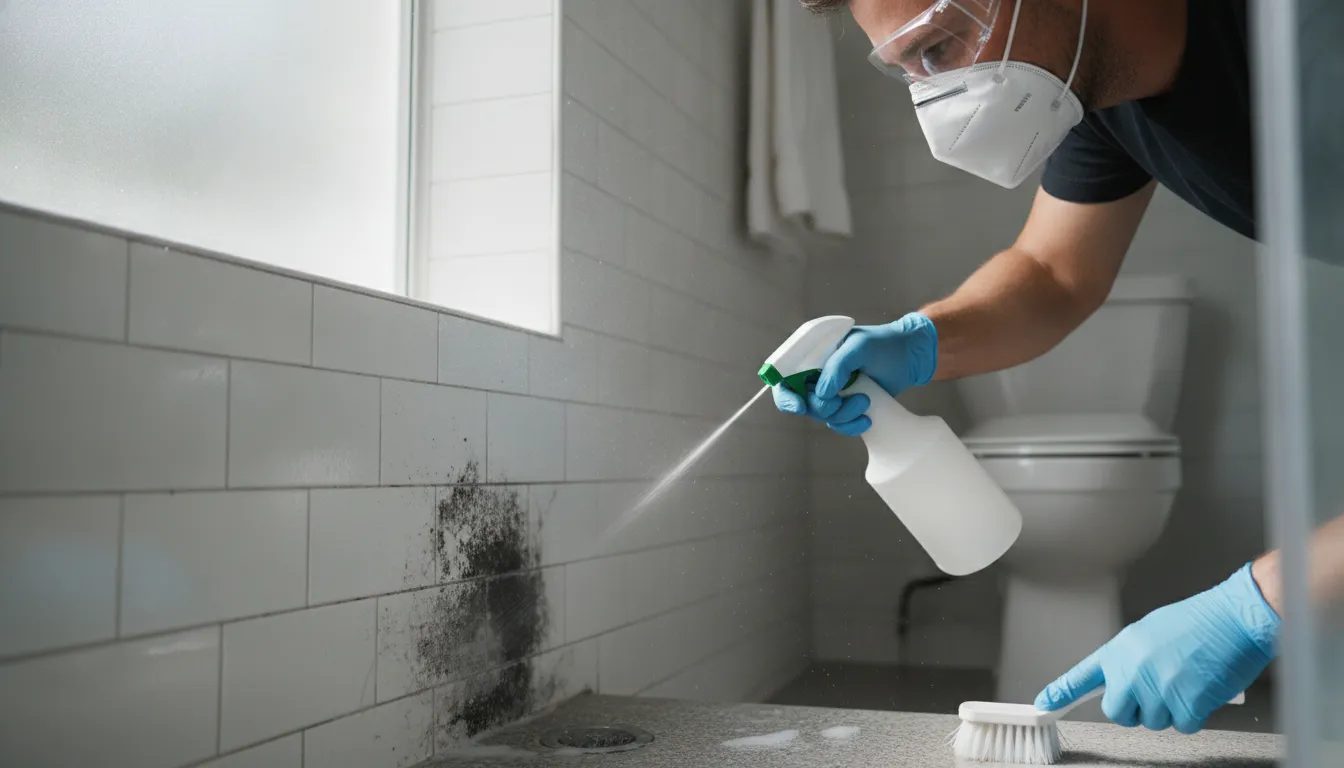
- Protect yourself before disturbing growth. Wear disposable gloves, a suitable mask, and goggles. Keep children, pets, and anyone with respiratory sensitivities away from the work area. The CDC recommends gloves, a mask, and goggles during mold cleanup. CDC mold cleanup guidance provides additional safety details.
- Ventilate the space safely. Open doors and windows while working when outdoor conditions and security allow. Ventilation helps air out the room and reduce airborne spore concentration. Do not use fans if they would spread contamination into unaffected areas.
- Clean hard surfaces with water and detergent. Scrub away visible growth using water and detergent. Avoid aggressive dry brushing, which can disturb spores. Never mix bleach and ammonia because the combination can create toxic vapors. Follow any product label directions, and never combine cleaning chemicals.
- Dry everything completely. Use fans and a dehumidifier when electricity is safe to use. Dry the cleaned surface and nearby materials as quickly as possible. Items that cannot be cleaned and dried within 24 to 48 hours after water damage should be discarded, according to CDC guidance.
- Address the moisture source. Repair the leak, condensation problem, or ventilation failure before considering the cleanup finished. Mold can return when the underlying moisture remains. Painting or caulking over growth does not solve the problem.
Document water-damaged materials before disposal if an insurance claim may be involved. For urgent leaks or widespread moisture, review this guide to emergency water damage restoration in St. Petersburg.
DIY cleanup should leave the surface visibly clean and fully dry. If musty odors persist, growth returns, or the affected area expands, professional mold and mildew removal can help identify hidden moisture and prevent secondary damage.
When to Call a Professional for Mold and Mildew Removal
Call a professional when mold covers a large area, affects porous materials, or appears after serious water intrusion. Hidden growth, HVAC contamination, health concerns, and recurring moisture also require expert evaluation and removal.
Small, isolated growth on a washable hard surface may be manageable with careful precautions. Professional mold and mildew removal becomes the safer choice when contamination can spread or the source remains unresolved.
Extensive or Hidden Growth Needs Professional Control
Visible growth across multiple rooms usually exceeds a reasonable do-it-yourself cleanup. Extensive contamination can release spores during removal and create secondary damage when handled without containment.
Porous materials require special attention because mold can penetrate drywall, insulation, carpet, upholstery, paper, and unfinished wood. Wiping the surface may remove discoloration while leaving contamination inside the material.
Growth behind walls, beneath flooring, inside cabinets, or above ceilings is another clear warning sign. Opening an affected area without a containment plan can spread spores into clean portions of the home.
Suspect hidden growth when musty odors continue after visible surfaces are cleaned. Repeated staining, bubbling paint, warped drywall, or moisture around plumbing can also point to concealed contamination.
HVAC Contamination and Health Concerns Raise the Stakes
Do not use a moldy room’s HVAC system as if the problem were isolated. Air movement can distribute spores through ducts and return vents, increasing the affected area.
Professional remediation is especially important when occupants experience respiratory symptoms, allergies, or aggravated asthma. Sensitive residents should avoid disturbing suspected contamination until the situation receives qualified attention.
Professional help also protects against misidentifying the problem. A qualified team can identify microbial contamination, locate contributing moisture, and plan removal without creating additional exposure or property damage.
Florida Requires Licensed Mold Remediation
Florida regulates mold remediation as a specialized service. The work requires a licensed Mold Remediator, identified by license designation MRSR5100, according to the customer’s remediation guidance.
That requirement matters when a project involves extensive growth, contaminated building materials, or water intrusion behind walls. Homeowners should verify the provider’s qualifications before authorizing remediation work.
For additional guidance, review when mold remediation is required in Florida. The decision depends on contamination extent, material condition, moisture source, and occupant safety.
Do Not Paint or Caulk Over Active Mold
Paint and caulk can hide visible staining, but they do not remove mold or stop its growth. The underlying water problem must be corrected before the affected area receives a finish.
The CDC advises cleaning all visible mold and fixing the moisture source before painting or caulking. Covering active growth can trap moisture and make future damage harder to identify.
Water intrusion behind a wall deserves prompt attention, even when the visible damage appears limited. Leaks can continue feeding hidden growth and weaken surrounding materials.
Homeowners researching potential project expenses can review black mold removal cost in St. Petersburg. Cost depends on the affected area, materials, access, moisture source, and required containment.
In St. Petersburg and Pinellas County, humidity can prolong drying and encourage recurring growth. If contamination keeps returning after surface cleaning, arrange professional mold and mildew removal rather than repeating temporary treatments.
What Professional Mold Mildew Removal Includes
Professional mold mildew removal addresses both visible growth and the moisture conditions that allow it to return. In Florida homes, the process should be controlled, documented, and focused on safe removal.
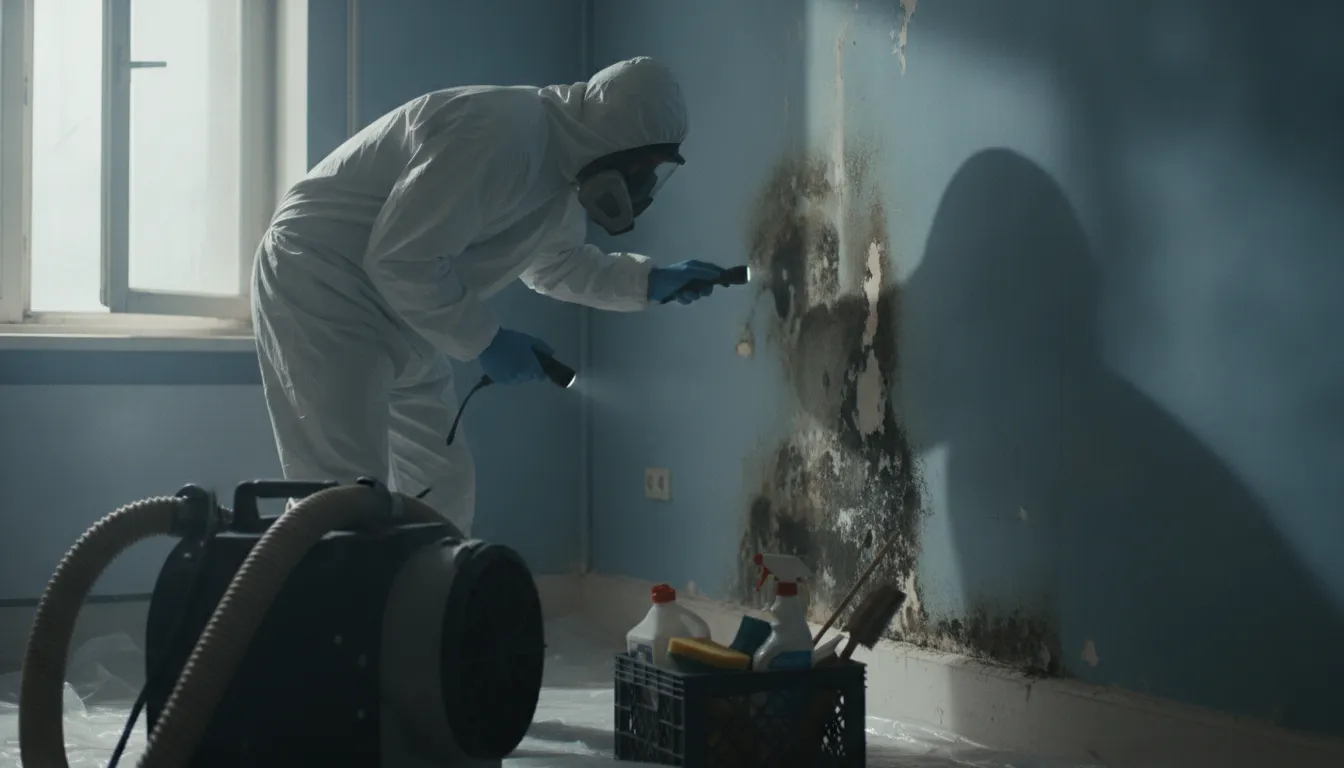
Remediation is more than cleaning a stained surface. It combines source control, containment, air filtration, material removal, drying, and verification.
- Inspection and scope definition. The technician examines affected rooms, building materials, moisture conditions, and areas where contamination may have spread. This inspection helps establish the work area and identifies the likely source, such as a roof leak, plumbing failure, or persistent humidity.
- Moisture and source control. Remediation begins by addressing the water problem. Professionals may recommend leak repairs, drying, ventilation improvements, or other corrective work before removal continues. Source control is essential because cleaning mold without fixing moisture allows growth to return.
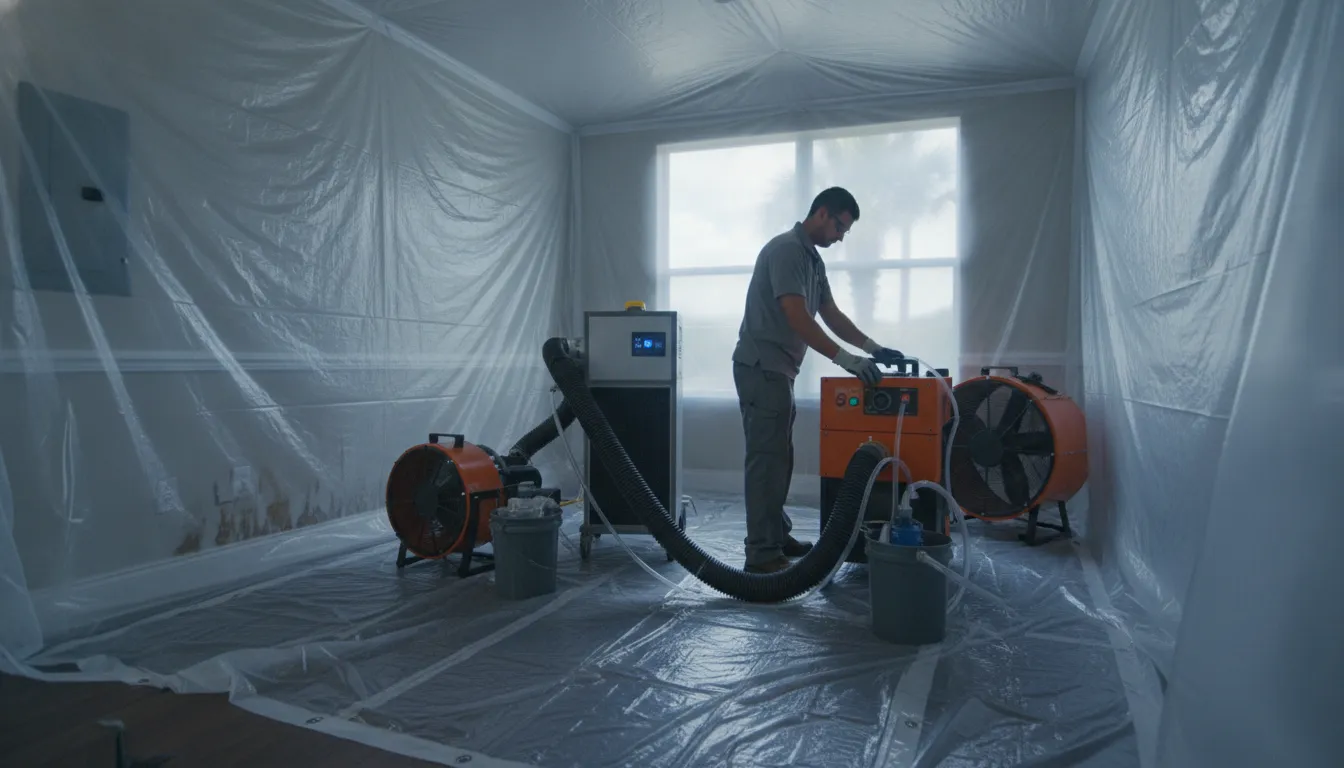
- Containment and negative air pressure. The work area is isolated from unaffected parts of the home. Negative air pressure helps keep airborne spores from moving into clean areas during removal. This control is especially important when contaminated drywall, insulation, or other porous materials must be disturbed.
- HEPA filtration and controlled removal. HEPA filtration captures microscopic particles from the work-area air. Technicians then remove materials that cannot be adequately cleaned, while protecting nearby surfaces from debris. The exact removal method depends on the material, contamination level, and moisture damage.
- Cleaning and antimicrobial treatment. Remaining salvageable surfaces are cleaned using methods appropriate for their materials. An antimicrobial treatment may be used as part of the remediation plan. The goal is to remove contamination, not simply cover it with paint or caulk.
- Drying and moisture correction. Air movement and dehumidification help reduce moisture after the affected materials are cleaned. Technicians monitor conditions before closing walls or returning items to the area. Drying matters in St. Petersburg and Tampa Bay because humid weather can slow evaporation.
- Post-remediation verification. The completed area should be reviewed to confirm that the planned work is finished and moisture conditions are controlled. Verification may include a visual assessment, moisture readings, or other project-appropriate documentation. Ask what evidence the contractor will provide before work begins.
Credentials also matter when selecting a remediation provider. In Florida, mold remediation requires a licensed Mold Remediator, identified by credential MRSR5100, according to the customer service guidance.
Look for technicians with relevant training, including IICRC Applied Microbial Remediation Technician certification. AMRT covers microbial remediation, personal protective equipment, biocides, and engineering controls such as negative pressure.
AMRT certification requires Water Restoration Technician training as a prerequisite. That background is useful when mold follows a plumbing leak, storm intrusion, or other water event.
For a homeowner-friendly overview, read what mold remediation involves before comparing estimates. A clear scope should explain the source, containment plan, removal methods, drying approach, and verification steps.
How to Stop Mold and Mildew From Coming Back
Keeping mold and mildew from returning requires moisture control, quick drying, and regular attention to vulnerable areas. Florida homes need a consistent prevention routine because humid air can keep surfaces damp.
Keep indoor humidity between 35% and 50% when possible. A simple hygrometer can show whether air conditioning or a dehumidifier is removing enough moisture. Pay special attention during warm, rainy periods in St. Petersburg, Tampa Bay, and Pinellas County.
Control humidity and ventilation
Run exhaust fans during showers and cooking, then leave them operating long enough to remove lingering moisture. Make sure bathroom and kitchen fans vent outdoors rather than into an attic or wall cavity.
Open doors and windows during cleanup when outdoor conditions and air quality make that safe. The CDC recommends ventilation during mold cleanup because moving air helps reduce spore concentration. Read the CDC mold cleanup guidance for additional safety details.
Use a dehumidifier in rooms that remain damp despite normal cooling. Empty its reservoir regularly, or connect a properly installed drain line. Do not ignore condensation around air conditioning equipment, windows, pipes, or exterior walls.
Fix leaks before they become mold problems
Repair roof leaks, plumbing leaks, appliance leaks, and failed seals as soon as you find them. A hidden moisture source can keep feeding growth behind drywall, under flooring, or above ceilings.
After a leak, remove standing water and begin drying wet materials immediately. Materials that cannot be cleaned and dried completely within 24 to 48 hours may need disposal, according to the CDC. Fans and dehumidifiers can help after electrical safety is confirmed.
Roof leaks deserve special attention because attic insulation and roof decking can stay damp after the visible ceiling dries. Review these attic mold prevention after a roof leak steps when water enters from above.
Do not cover recurring growth
Painting or caulking over mold does not stop its growth. The moisture problem must be corrected, and visible mold must be properly cleaned before applying new finishes. The CDC advises fixing water problems before painting or caulking.
Keep a simple inspection schedule for bathrooms, kitchens, attics, closets, and areas near exterior walls. Look for musty odors, staining, peeling finishes, condensation, and soft building materials. Recurring signs usually mean the source has not been fully controlled.
For extensive growth, repeated recurrence, or contamination involving porous materials, professional evaluation can identify the moisture pathway. In Florida, mold remediation is regulated and requires a licensed Mold Remediator. Early action can limit secondary damage and reduce the chance of a larger removal project.
Frequently Asked Questions
Can I remove mold and mildew myself, or do I need a professional?
Small areas on hard, washable surfaces may be manageable with protective equipment, ventilation, and careful cleaning. Extensive growth, recurring contamination, hidden moisture, or affected porous materials calls for professional remediation to reduce health and secondary-damage risks.
How do I distinguish between mold and mildew?
Mildew is a term commonly used for certain mold or fungal growth with a flatter surface appearance. Mold consists of microscopic fungi that grow as filaments and can penetrate organic materials when moisture problems persist, according to the U.S. Environmental Protection Agency.
What should I do if mold appears after water damage?
Address the leak or flooding source first, then dry the area promptly. The CDC advises discarding materials that cannot be cleaned and dried completely within 24 to 48 hours. Using gloves, a mask, and goggles during cleanup, and never mixing bleach with ammonia.
When does Florida mold require professional remediation?
Call a qualified professional when growth covers an extensive area, returns after cleaning, involves porous building materials, or follows a major leak. Florida treats mold remediation as a regulated service requiring a licensed Mold Remediator, according to the customer service guidance.
How can I prevent mold from returning in a Florida home?
Keep indoor humidity low, repair roof and plumbing leaks promptly, and improve ventilation in bathrooms and kitchens. In St. Petersburg and Tampa Bay, consistent humidity makes moisture control essential for lasting mold prevention.
Ready to Schedule a Free Mold Assessment?
Professional guidance can help identify the moisture source and determine whether affected materials need specialized remediation. Schedule a free mold assessment and inspection with Go Time Roofing & Restoration by calling (727) 361-6905. Our team can help you understand the next practical step for your Florida home.