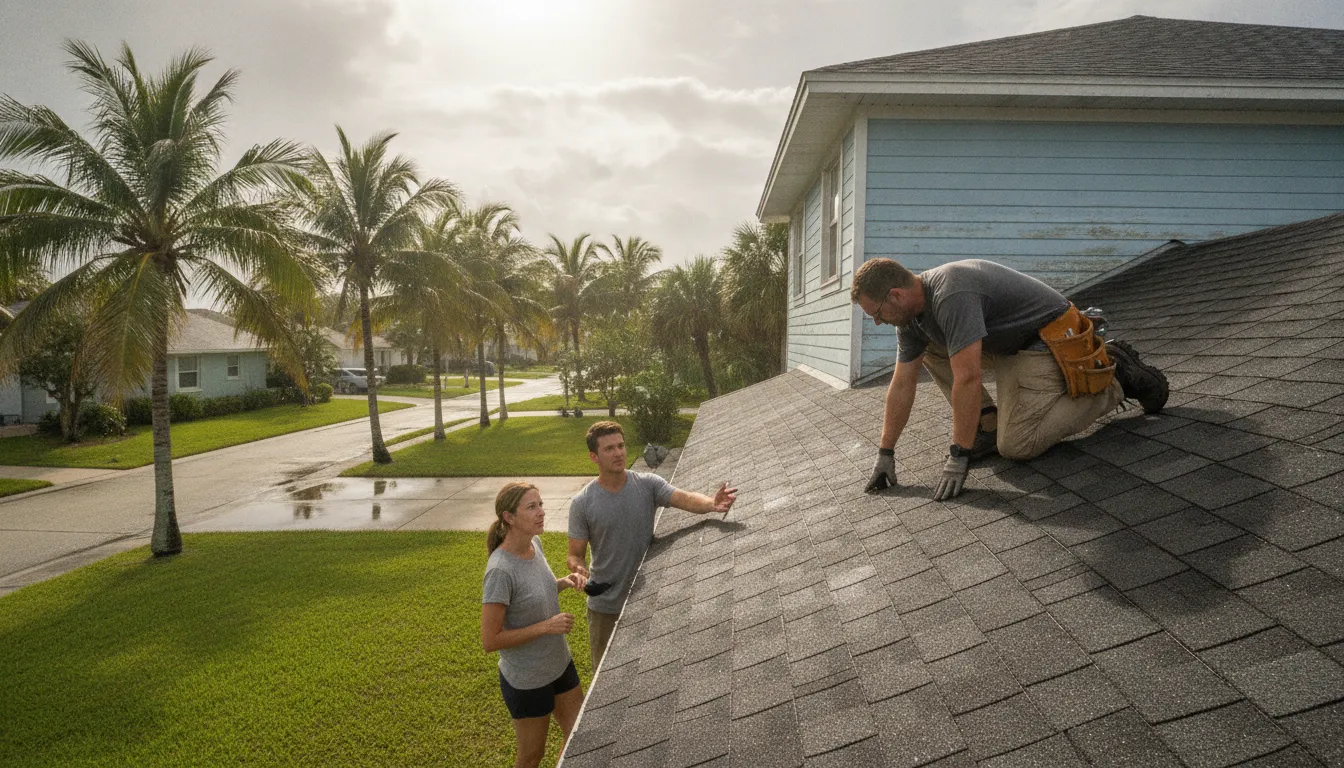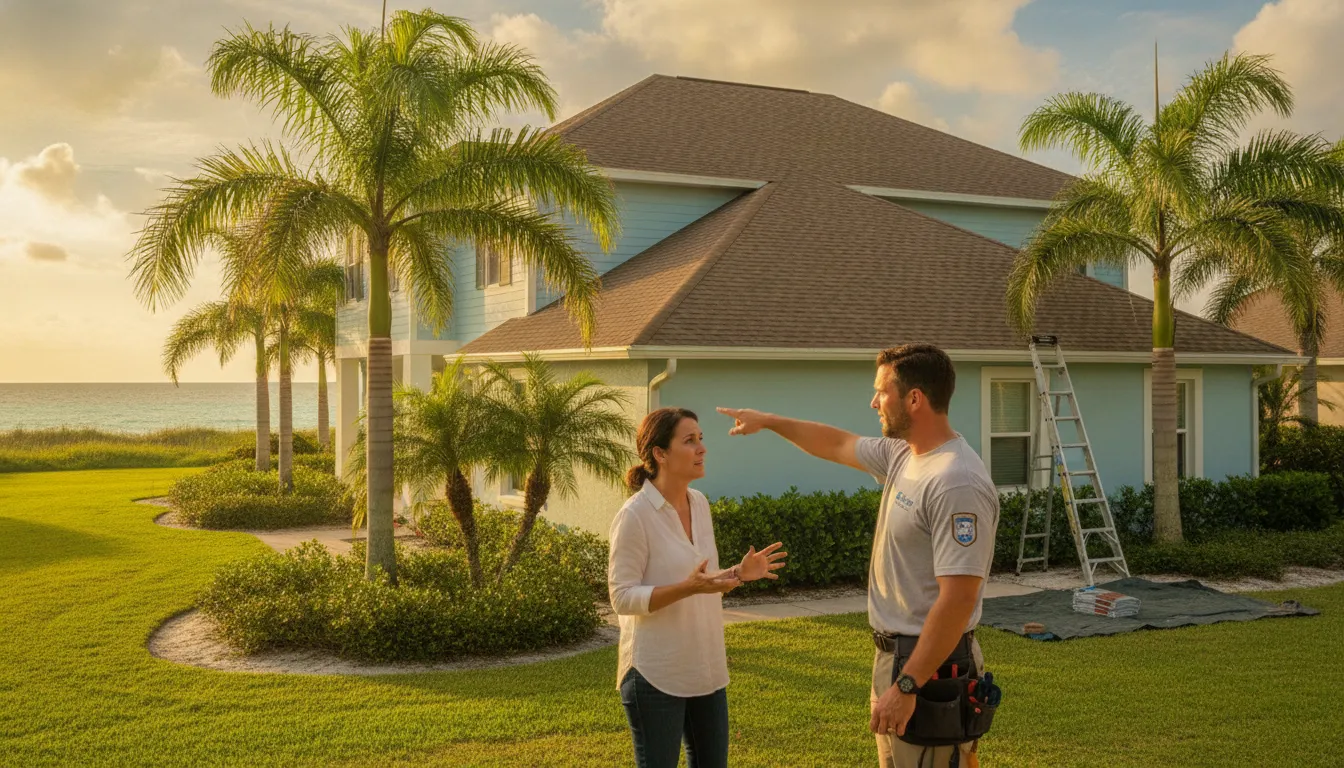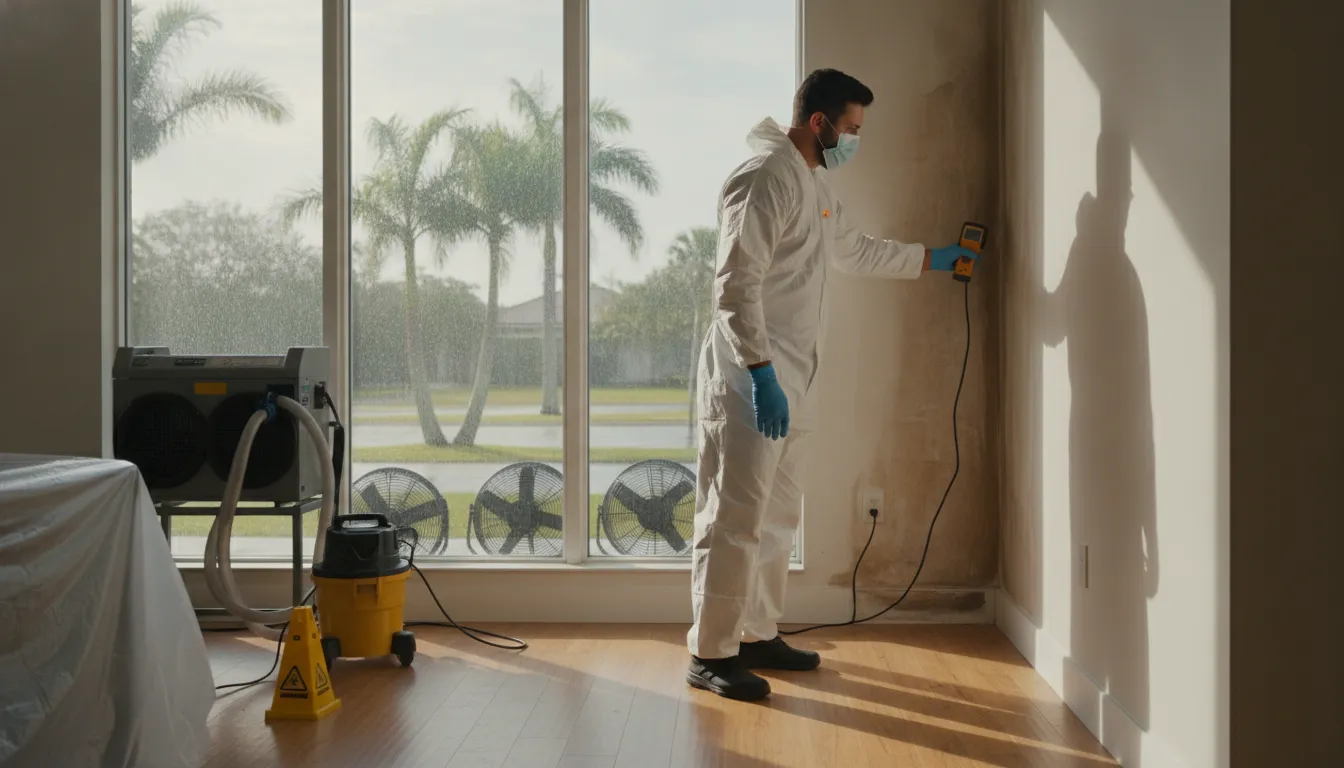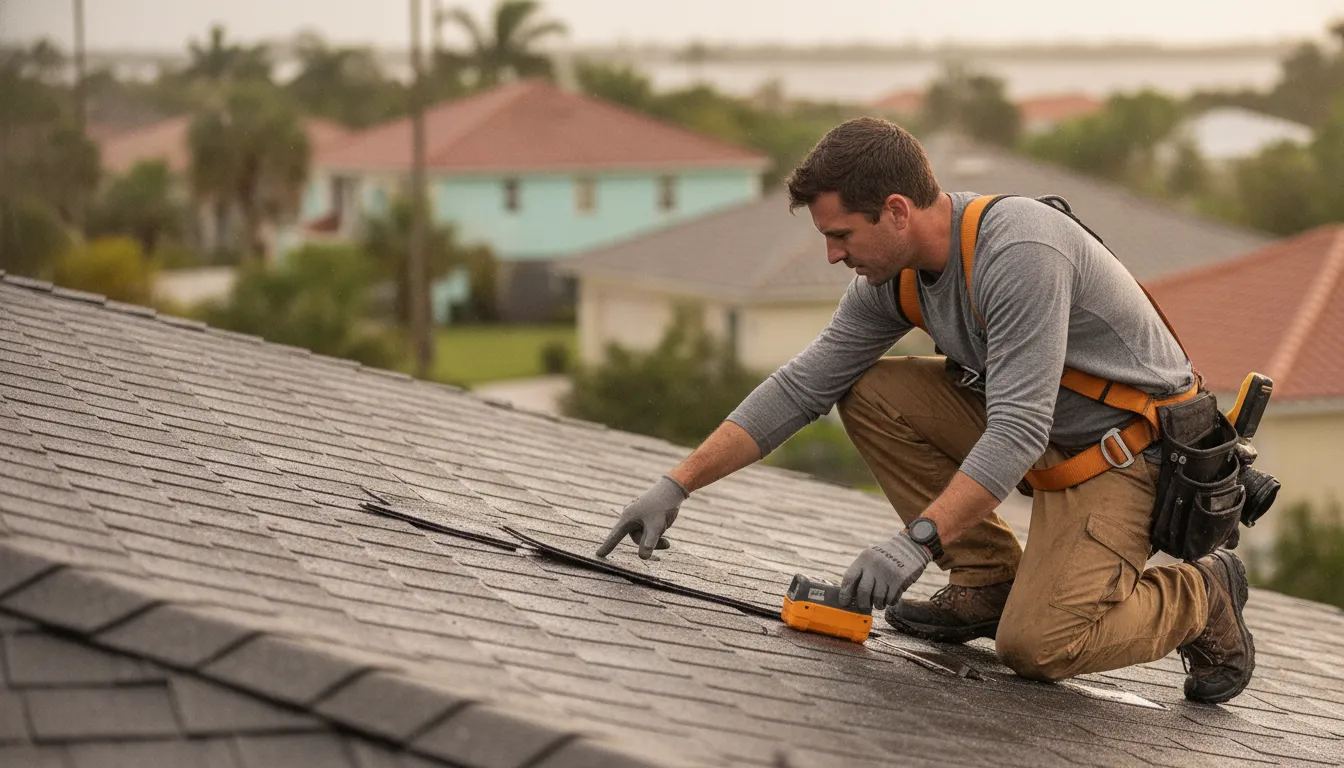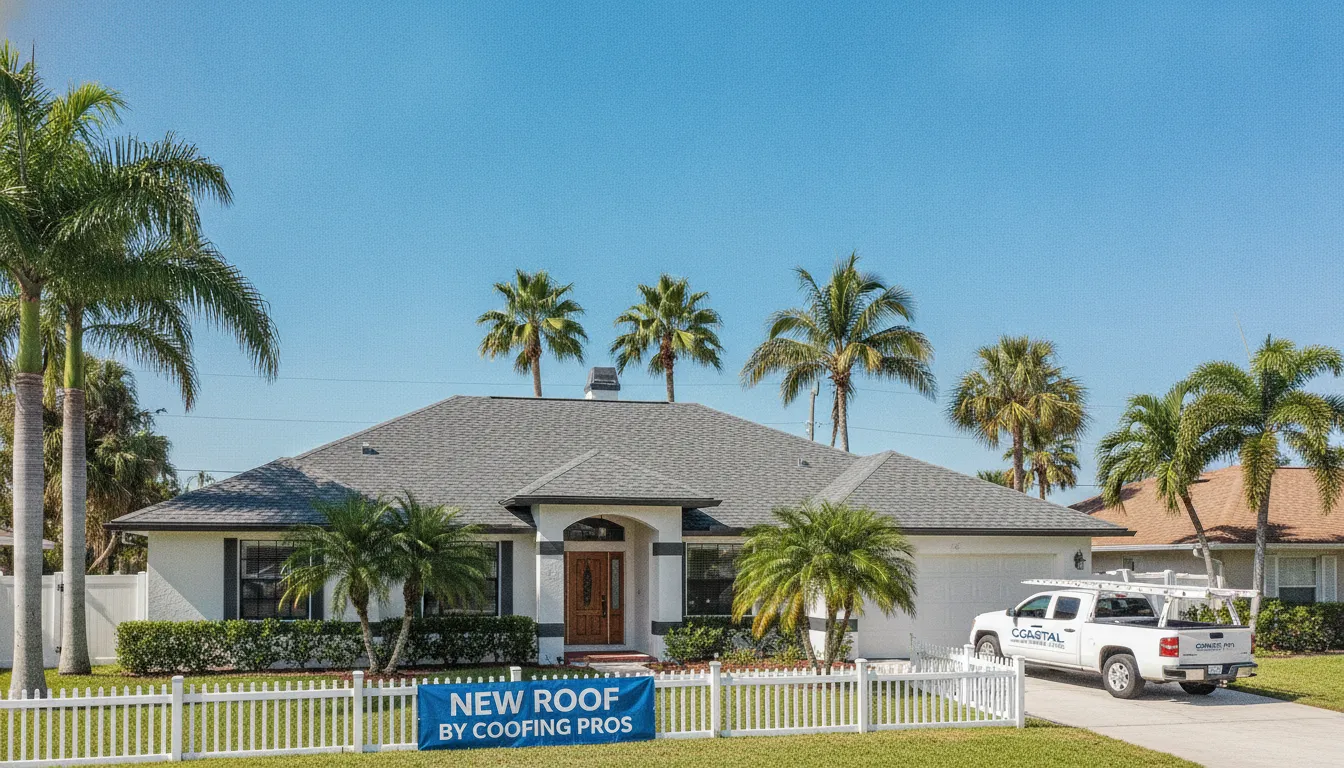
The typical shingle roof lifespan St. Petersburg homeowners can expect is between 15 and 20 years, significantly less than the national average. Salt air and year-round humidity shorten the life of standard asphalt shingles compared to cooler climates. Staying ahead of these local climate threats is essential for every homeowner in the Tampa Bay area.
If your roof is approaching 15 years old or showing signs of wear, call (727) 430-3079 or schedule a free inspection with Go Time Roofing and Restoration to assess its condition today. A professional evaluation is the most reliable way to catch small issues before they become expensive leaks.
While national roofing guides often claim asphalt shingles last 25 to 30 years, the salt air, intense UV exposure, and high humidity in Pinellas County accelerate decay dramatically. According to Ridge Top Exteriors, a shingle that lasts thirty years in the Midwest may only last fifteen years in Tampa. This harsh reality means St. Petersburg homeowners must plan for roof replacement much sooner than their peers in cooler climates. The good news? With proper maintenance and early detection of problems through Go Time Roofing’s hurricane roof inspection service, you can maximize the years your roof delivers reliable protection.
How St. Petersburg’s Climate Shortens Shingle Roof Lifespan
Living in St. Petersburg means you get abundant sunshine and beautiful beaches, but that same climate is brutally hard on roofing materials. National averages claiming 30-year shingle lifespans simply do not apply here. The combination of extreme heat, salt-laden air, and persistent humidity in Pinellas County cuts the effective shingle roof lifespan St. Petersburg homeowners can expect down to 15 to 20 years, making proactive care essential.
Extreme heat and UV radiation
The Florida sun does more than warm your attic. During summer months, shingle surface temperatures routinely climb above 150 degrees Fahrenheit. This extreme heat bakes the asphalt in your shingles, causing it to lose its natural oils and become brittle over time. Once shingles lose their flexibility, they crack under normal expansion and contraction, allowing water to penetrate your roof deck.
Scientific research published in the Journal of Building Engineering confirms that ultraviolet radiation directly impacts asphalt stiffness, making shingles prone to cracking and granule loss. This aging process accelerates much faster in St. Petersburg than in cooler states, even when damage is not visible from the ground.
Humidity and salt air exposure
Proximity to the Gulf of Mexico means our air carries constant moisture and salt spray. Humidity accelerates the breakdown of roofing materials at a chemical level, while salt air corrodes metal components like flashing, nails, and vent caps. When these fasteners rust and fail, the shingles they secure become vulnerable to wind uplift during storms.
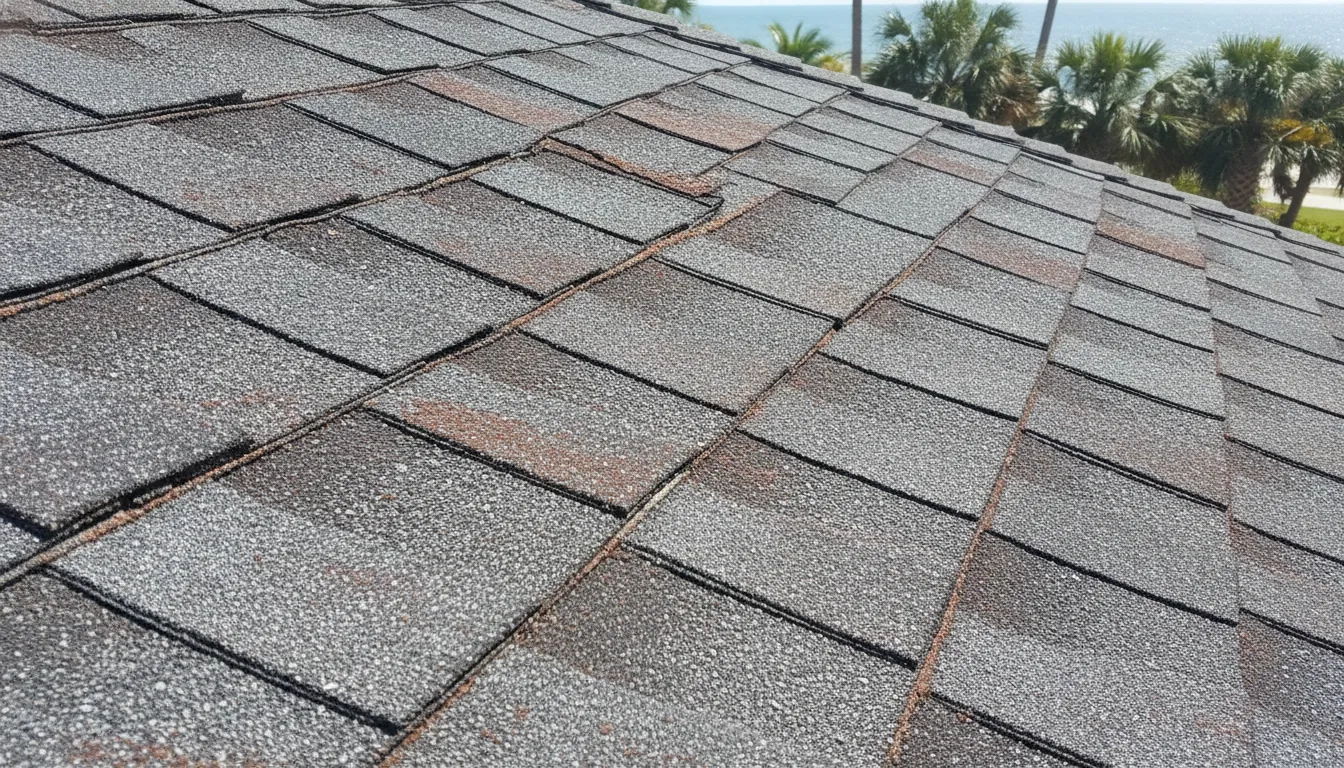
The moisture-and-heat combination also creates ideal conditions for algae and moss growth, which feed on the limestone granules protecting your shingles. Once those granules are gone, the underlying asphalt is exposed to direct UV damage and accelerated deterioration. At Go Time Roofing and Restoration, we see the effects of this coastal climate on shingle roofs across Pinellas County every day.
Accelerated local aging rates
In the Midwest, a standard three-tab asphalt shingle roof might easily last 25 to 30 years. The same shingles installed on a St. Petersburg home typically last only 15 to 20 years, sometimes less if attic ventilation is poor. This faster aging directly impacts finances: most Florida insurance companies now apply a strict 15-year rule for shingle roofs, meaning coverage becomes harder to maintain once your roof passes that threshold. Keeping a close eye on your roof’s condition helps you plan ahead and avoid surprises.
This accelerated aging is why regular inspections from a trusted St. Petersburg roofing contractor are not optional in our climate. A professional can identify deterioration you would never spot from the ground.
What Is the Average Shingle Roof Lifespan in St. Petersburg?
The short answer is 15 to 20 years for architectural asphalt shingles, and 10 to 15 years for budget three-tab shingles. These ranges are significantly shorter than national averages because of our unique environmental stressors. Understanding the realistic shingle roof lifespan St. Petersburg property owners face helps you budget for replacement and avoid the scramble that comes with unexpected leaks.
Lifespan comparison by roof type
| Roof Type | National Average | St. Petersburg Average | Key Factor |
|---|---|---|---|
| 3-Tab Shingle | 15-20 years | 10-15 years | Thinner material degrades faster in heat |
| Architectural Shingle | 20-30 years | 15-20 years | Best value for local climate conditions |
| Metal Roofing | 40-70 years | 30-50 years | Superior longevity but higher upfront cost |
| Tile Roofing | 50+ years | 30-50 years | Heavy weight requires structural reinforcement |
How proper attic ventilation extends life
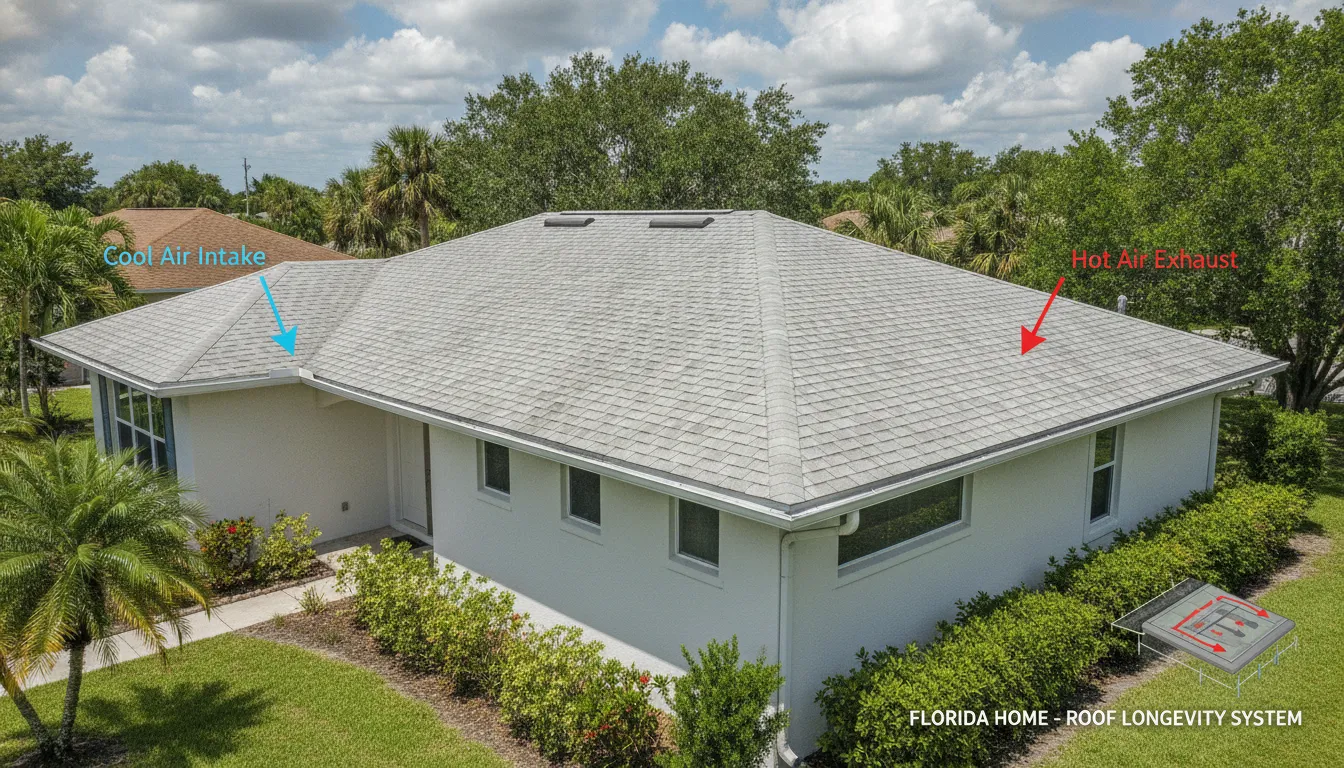
One of the most overlooked factors in shingle longevity is attic airflow. Without adequate ventilation, superheated air becomes trapped beneath the roof deck, effectively cooking shingles from the inside out. Experts at Ridge Top Exteriors report that poor attic ventilation can shorten roof life by five to ten years. Ensuring your attic has balanced intake and exhaust vents is one of the most cost-effective ways to protect your investment.
The Florida insurance reality
Homeowners must also account for state-specific insurance regulations. Many Florida carriers refuse to write or renew policies for homes with shingle roofs older than 15 years, regardless of visible condition. Even if your roof looks sound from the street, its age alone can trigger higher premiums or non-renewal. Planning for replacement before the 15-year mark keeps your coverage intact and your out-of-pocket costs predictable.
7 Warning Signs Your Shingle Roof Is Nearing the End
Recognizing the signs of approaching failure gives you time to plan, budget, and act before water damages your home’s interior. For St. Petersburg homeowners, these seven indicators are especially critical given our shortened lifespan expectations.
- Curled or buckled shingle edges. Look for shingle tabs that turn upward or develop a wavy appearance. This is caused by excessive attic heat or simple old age, both of which are pronounced in Pinellas County.
- Granule loss in gutters. Check your downspouts and gutters for sand-like grit. These granules protect shingles from UV rays, and losing them means the protective layer is wearing thin. Go Time Roofing’s asphalt shingle roof replacement specialists can assess whether your shingles still have adequate granule coverage.
- Missing or broken shingles. High winds during Florida storms frequently tear aged shingles off the deck. Bare spots or dark patches indicate the roof is now vulnerable to water intrusion.
- Cracked or split shingle surfaces. As asphalt dries out from heat exposure, deep cracks develop across the surface. This is a definitive sign the material has reached the end of its service life.
- Sagging roof deck lines. Stand across the street and examine your roof’s ridge line. A dip or sag suggests the plywood deck below is rotting from prolonged moisture exposure.
- Dark algae streaks or moss patches. According to the EPA, persistent moisture promotes biological growth that degrades roofing materials. In St. Petersburg’s humid climate, these growths trap water against shingles and speed deterioration.
- Daylight visible from the attic. Go into your attic with a flashlight on a sunny day. If you see light piercing through the roof boards, water can also enter. Schedule a roof leak repair evaluation immediately to prevent interior damage.
How Can You Extend Your Shingle Roof Life in Pinellas County?
You can meaningfully extend your roof’s service life with consistent, targeted maintenance. While you cannot change the climate, you can control how well your roof resists it. Go Time Roofing and Restoration recommends these seven maintenance actions for every St. Petersburg homeowner.
- Schedule biannual professional inspections. Have your roof examined in spring and fall. A trained eye catches loose shingles, failing seals, and minor damage before they escalate. Our roofing services and inspections are tailored to Pinellas County conditions.
- Keep gutters and downspouts clear. Clogged drainage forces water to back up under shingle edges, rotting the deck below. Clean gutters at least twice a year, more often if you have overhanging trees.
- Trim overhanging tree branches. Branches that touch your roof scrape away granules during wind events and provide a pathway for pests. Keeping limbs trimmed also reduces debris buildup.
- Reseal flashings and pipe boots. The rubber boots around vent pipes and metal flashings at roof-to-wall intersections dry out and crack over time. Replace cracked seals immediately to prevent hidden water intrusion.
- Verify attic ventilation is adequate. Ensure soffit vents are not blocked by insulation and ridge vents are clear. Proper airflow can add five to ten years to your roof’s life. Review our Florida roof maintenance tips for a complete seasonal checklist.
- Install zinc or copper strips. These strips release ions that prevent algae and moss growth. They are especially effective in humid coastal environments and reduce the need for chemical cleaning that can damage shingles.
- Arrange a professional inspection after every major storm. Hurricane season in Florida brings wind gusts that can lift and damage shingles even when no obvious debris is present. Go Time Roofing and Restoration’s post-storm assessments catch hidden problems before they spread.
When Should You Replace vs. Repair Your St. Petersburg Shingle Roof?
Every St. Petersburg homeowner eventually faces the repair-or-replace decision. Making the right call saves money and prevents repeated patchwork that never fully resolves the underlying issue.
The 25 percent rule
A practical guideline used by professional roofers: if a repair costs more than 25 percent of a full replacement, replace the entire roof. Patching an aging roof often leads to a cascade of new leaks in different locations, costing more in the long run than a single replacement project. This is especially true in our climate, where UV-weakened shingles adjacent to repaired sections are likely to fail soon after.
Age-based decision making
If your roof is under 10 years old, targeted repairs are usually the right choice. Between 10 and 15 years, evaluate each issue carefully. A single damaged area on an otherwise healthy roof can be repaired, but widespread granule loss, multiple leaks, or extensive curling indicate replacement is imminent. Beyond 15 years, most insurers will not cover the roof anyway, making replacement the financially sound decision.
The team at Go Time Roofing and Restoration can help you weigh these factors with a no-obligation assessment. Understanding your roof’s true condition empowers you to make the best choice for your home and budget. For long-term peace of mind, browse our asphalt shingle roofing services to see what a full replacement involves.
Frequently Asked Questions
What is the average shingle roof lifespan in Florida?
In Florida, asphalt shingle roofs typically last between 15 and 20 years, roughly half the national average. The combination of intense UV radiation, high humidity, and frequent storms accelerates material breakdown. According to Garabar Roofing, homeowners should plan for replacement much sooner than the 30-year mark often cited in national guides.
How does St. Petersburg’s climate affect shingle roof lifespan specifically?
St. Petersburg’s coastal location adds salt air corrosion to the typical Florida heat and humidity stressors. Roof surface temperatures exceed 150 degrees Fahrenheit during summer, baking shingles brittle. Meanwhile, salt spray corrodes metal flashings and fasteners, weakening the mechanical grip that holds shingles in place. The combination is uniquely aggressive compared to inland Florida cities.
Can regular maintenance really extend my shingle roof’s life?
Yes, significantly. A neglected roof in Pinellas County may fail at the 12-year mark, while a well-maintained roof of the same quality can reach 20 to 22 years. The key factors are biannual inspections by a qualified shingle roofing professional, prompt repair of minor damage, proper attic ventilation, and keeping the roof surface clean of debris and biological growth.
Does attic ventilation really matter for roof lifespan?
Absolutely. Without proper airflow, your attic can reach temperatures 50 degrees higher than the outside air. This trapped heat cooks shingles from underneath, accelerating asphalt degradation. Ridge Top Exteriors reports that poor ventilation can cut five to ten years off your roof’s life. Ensuring your attic has balanced intake and exhaust vents is one of the most cost-effective maintenance steps you can take.
When should I repair versus replace my shingle roof in St. Petersburg?
If your roof is under 10 years old and damage is isolated, repair is appropriate. Between 10 and 15 years, evaluate each situation individually. If multiple areas show wear, if more than 25 percent of replacement cost is needed for repairs, or if your insurance has flagged the roof’s age, full replacement is usually more economical than repeated patchwork.
Ready to Protect Your St. Petersburg Home?
Waiting to address your roof’s condition lets St. Petersburg’s salt air and humidity turn small issues into costly structural damage. A professional inspection gives you the knowledge you need to plan ahead, whether your roof needs minor repairs or a full replacement.
Talk to the team at Go Time Roofing and Restoration today. Schedule your free roof inspection or call (727) 430-3079 to speak with a local expert who understands Pinellas County’s unique climate challenges. Protect your home with the trusted name in St. Petersburg roofing.