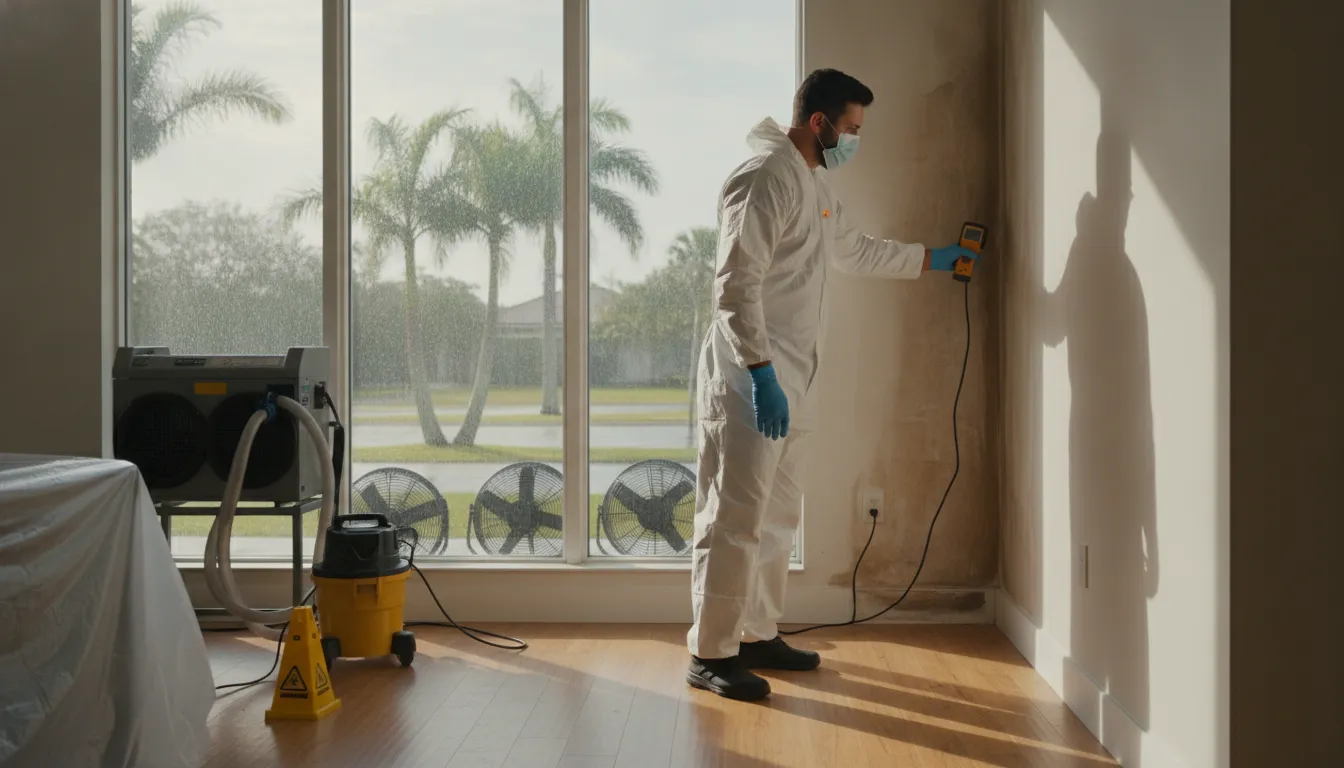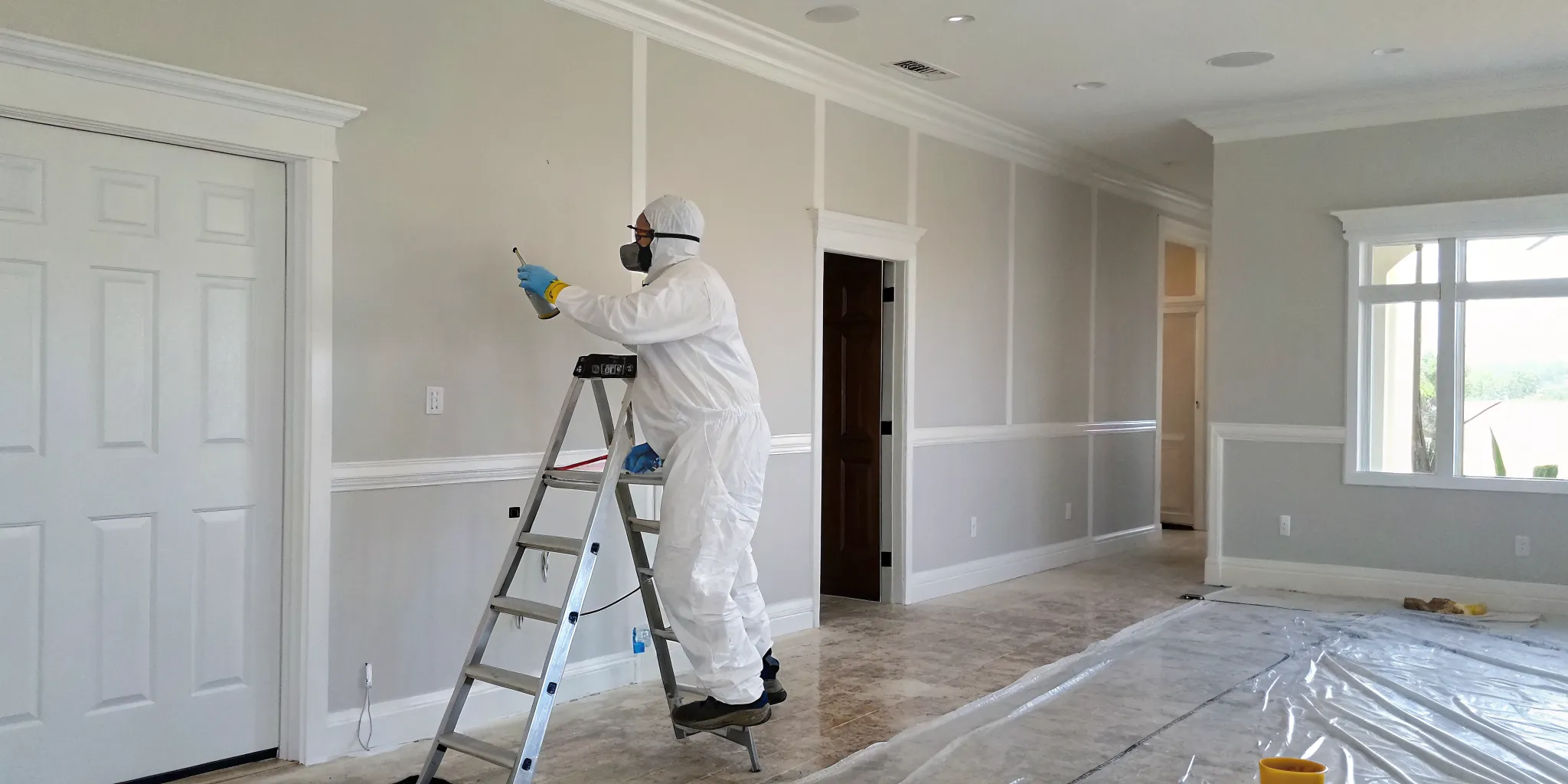
That dark residue coating your walls and ceilings is more than just an ugly stain. It’s a serious health concern that can affect everyone in your home long after the fire is out. Soot is made of tiny, toxic particles that can be easily inhaled, leading to respiratory issues, while the lingering smoke odor can cause headaches and nausea. Treating that smell as a warning sign is crucial; it means harmful contaminants are still present in your air and embedded in your home’s surfaces. Proper soot removal from walls in Pinellas County isn’t just about aesthetics, it’s about restoring a safe and healthy environment for your family.
Key Takeaways
- Treat soot as a health hazard: That black residue is a toxic byproduct that can cause respiratory issues and skin irritation. A lingering smoke smell is a clear sign that harmful particles are still affecting your home’s air quality.
- Resist the urge to DIY the cleanup: Using water or standard cleaners on soot will smear the oily particles and create permanent stains. Painting over the problem is also ineffective, as the stain and odor will eventually bleed through.
- Hire a certified pro for a true restoration: Professionals have the right tools and training to safely remove soot from all surfaces, eliminate hidden odors, and prevent long-term damage, ensuring your home is completely and safely restored.
What Is Soot (And Why Is It So Stubborn)?
After a fire, the flames might be out, but the damage often continues in the form of soot. That black, dusty residue you see coating your walls, furniture, and belongings isn’t just dirt. Soot is a toxic byproduct created when materials don’t burn completely. Think of it as a cocktail of tiny carbon particles, acids, and chemicals that get carried by smoke and settle everywhere.
What makes soot so stubborn is its composition. Unlike regular dust that you can easily wipe away, soot particles are often oily and microscopic, allowing them to penetrate deep into porous surfaces like drywall, wood, and upholstery. They cling with a surprising grip, and trying to clean them with the wrong methods can quickly turn a simple dusting job into a permanent, smeared stain. Understanding the nature of soot is the first step in tackling the aftermath of fire and smoke damage and restoring your home.
How Soot Sticks to Your Walls
Ever wonder how soot manages to cover walls in rooms the fire never even touched? It’s all about how smoke travels. During a fire, heat causes the air to expand and circulate rapidly, carrying these fine soot particles throughout your entire home via the HVAC system and natural air currents. These particles are often ionized (electrically charged), which makes them act like tiny magnets, attracting them to cooler surfaces like your walls and ceilings.
This magnetic-like attraction is why you’ll see soot clinging in strange patterns or settling heavily in corners. Because the particles are so fine, they work their way into the pores of your paint and drywall, creating a bond that is difficult to break. This is also why you can’t just paint over it; the oily residue will eventually bleed through the new paint, and the odor will remain trapped underneath.
Dry vs. Wet Soot: What You Need to Know
Not all soot is created equal, and knowing the difference is key to proper cleanup. The two main types you’ll encounter are dry soot and wet soot. Dry soot typically results from fast-burning, high-temperature fires. It has a fine, powdery texture, almost like ash. While it’s the easier of the two to manage, using water or a wet cloth is a huge mistake. This will cause the soot to smear and absorb into the surface, making it much harder to remove.
Wet soot, on the other hand, is a sticky, oily mess. It’s produced by slow-burning, low-oxygen fires, like those involving plastics or rubber. This type of soot smears easily and leaves a thick, greasy film. Because it’s so heavy and sticky, it requires specialized cleaning agents and techniques to break it down without causing further damage. Attempting to clean wet soot with household products is almost always ineffective and can spread the contamination.
Is Soot on Your Walls a Health Hazard?
After a fire, even a small one, those dark smudges on your walls and ceilings can seem like just another part of the cleanup. But soot is much more than an ugly stain. It’s a serious issue that can affect the health of everyone in your home. Understanding the risks is the first step toward making your space safe again. Soot particles are tiny, but they carry big consequences, from lingering odors to long-term health concerns. It’s important to look past the visible mess and recognize the hidden dangers that soot and smoke residue can leave behind.
Beyond the Stains: How Soot Affects Your Health
That thin layer of black dust might not look like much, but don’t be fooled. Soot is a stubborn, hazardous byproduct of incomplete combustion that can pose real risks to your health. When these fine particles are airborne, you and your family can easily breathe them in, leading to respiratory problems like coughing and shortness of breath. Direct contact can also cause skin irritation, while the persistent odors can trigger headaches and nausea. Promptly and properly addressing soot is essential for protecting your well-being.
That Lingering Smell? It’s a Warning Sign
If you’re still smelling smoke long after the fire is out, treat it as a warning. That odor isn’t just an unpleasant reminder; it’s a sign that harmful particles are still present in your home. Smoke has a way of getting everywhere, and invisible residue can settle deep inside your HVAC system, within wall cavities, and in your insulation. This hidden contamination is often a much larger problem than the soot you can see on the surface. Over time, it can lead to persistently compromised air quality and cause materials like paint to yellow, even in rooms the fire never touched. The smell is telling you the problem isn’t gone yet.
Thinking About a DIY Soot Cleanup? Read This First
After the shock of a fire, even a small one, your first instinct is probably to start cleaning. You want to get your home back to normal as quickly as possible, and I completely get that. Rolling up your sleeves and tackling the mess feels proactive. But when it comes to soot, taking a pause before you start scrubbing is one of the smartest things you can do. Soot isn’t like regular dust or dirt, and treating it the wrong way can accidentally make a bigger, more permanent mess. Let’s walk through why a DIY approach has its limits and what can go wrong.
The Limits of DIY Soot Removal
Your home deserves the best care, especially after something as stressful as a fire. While your determination is admirable, some jobs are just too big or too delicate for household cleaning supplies. Think about antique furniture, porous surfaces, or that stubborn, oily soot that seems to have settled deep into your walls. For these situations, professional fire and smoke damage services are often necessary. Experts have the right training and equipment to handle different types of soot and lingering odors without causing further damage. Relying on a professional team ensures the cleanup is thorough and your home is truly restored.
When DIY Attempts Make Things Worse
Here’s where things can get tricky. Your go-to cleaning methods might actually be the enemy here. For instance, never use water or wet cloths to wipe soot from walls. Because soot is oily, water will just smear it and drive it permanently into drywall, paint, or grout. Bleach is also a no-go; it’s ineffective on most soot and can create other chemical issues. And please, don’t just paint over it! Soot contains oils that will bleed through a new coat of paint in weeks, bringing the stain and the smell right back. Even vacuuming requires caution, as a standard vacuum can spread fine soot particles everywhere. If you’re facing a mess that seems overwhelming, it’s time to contact us.
When to Call a Soot Removal Pro in Pinellas County
While the urge to grab a sponge and start scrubbing is understandable, some jobs are just too big or too complex for a DIY approach. When it comes to soot, knowing your limits can save you from accidentally making the problem worse. Calling a professional isn’t giving up; it’s making a smart, strategic move to protect your home and your health. So, how do you know when it’s time to put down the cleaning supplies and pick up the phone?
Red Flags: Signs You Need an Expert
If you’re on the fence, look for a few clear indicators that professional help is needed. First, consider the persistence of the problem. If you’ve tried basic cleaning and are still dealing with stubborn stains or a smoky smell that just won’t quit, it’s a major red flag. These lingering odors are more than just an annoyance; they’re a sign that soot particles have deeply penetrated surfaces and could be affecting your home’s air quality. Untreated smoke damage can cause lasting issues, so it’s important to address it correctly. When the damage is widespread or affects delicate items like upholstery and antiques, professional fire and smoke damage restoration is your safest and most effective option.
Why Some Surfaces Require Professional Care
The reason some surfaces are so tricky is because of soot’s oily composition. It doesn’t just sit on top of a wall; it clings and smears. Trying to wipe it away or using a standard household vacuum can actually grind the oily particles deeper into drywall, paint, and fabric, making stains permanent. Professionals understand this and use specialized tools like HEPA-filter vacuums to lift soot without spreading it. Furthermore, porous materials like wood, drywall, and even some plastics can absorb smoke odors. Simply painting over the stain won’t work, as the smell will eventually seep back through. Experts use special shellac-based primers and sealants to permanently block odors, but applying them incorrectly can trap the smell, making it impossible to remove.
How to Choose the Right Soot Removal Service
After a fire, finding the right team to handle the cleanup is one of the most important decisions you’ll make. It’s about more than just wiping away stains; it’s about making your home safe and livable again. The company you choose will be responsible for removing harmful contaminants, eliminating persistent odors, and restoring your property without causing further damage. Not all restoration companies are created equal, so it’s worth taking the time to vet your options carefully.
Think of it as hiring any skilled professional. You want someone with the right training, the right tools, and a proven track record. A thorough company won’t just treat the visible soot; they will address the hidden smoke particles and odors that can linger for months. To find a reliable partner, you’ll want to focus on two key areas: their qualifications and how they answer your questions. A little due diligence now can save you from major headaches later and ensure your fire and smoke damage restoration is done right the first time.
Must-Have Credentials and Certifications
When you start looking at companies, the first thing to check is their credentials. Look for a team that is certified by the Institute of Inspection, Cleaning and Restoration Certification (IICRC). This isn’t just a fancy acronym; it’s the industry standard for restoration professionals. An IICRC certification means the technicians have been trained in the latest techniques for safely and effectively removing soot and smoke. They understand the different types of soot and know which methods to use on various surfaces, from drywall to delicate upholstery.
Beyond that, always confirm that the company is fully licensed and insured to work in Florida. This protects you from any liability in case of an accident on your property. A professional service will be transparent about their qualifications and happy to provide proof.
Questions to Ask Before You Hire
Once you’ve confirmed a company has the right credentials, it’s time to ask some specific questions. Their answers will give you a clear picture of their process and expertise. A trustworthy professional will welcome your questions and provide straightforward answers.
Here are a few essential things to ask before you sign a contract:
- What is your process for assessing the full extent of the damage?
- Can you explain the cleaning methods you plan to use?
- Do you have experience restoring delicate or valuable items?
- What is your estimated timeline for the project?
The way a company responds tells you a lot. You’re looking for a team that is confident, knowledgeable, and ready to help. If you’re ready to start the conversation, you can contact us with your questions.
What’s the Cost for Professional Soot Removal?
After a fire, one of the first questions on your mind is probably, “How much will this cost to fix?” It’s a completely valid concern. When it comes to professional fire and smoke damage restoration, there isn’t a one-size-fits-all price. The final cost depends entirely on the unique circumstances of your home. Think of it less like buying a product off the shelf and more like getting a custom solution tailored to your specific needs.
The first step any reputable company will take is a comprehensive inspection. This isn’t just a quick look around; it’s a detailed assessment to identify every area affected by soot, even in places you can’t see. This process helps pinpoint the source of any lingering smoke odors and determines the full extent of the damage. Only after a thorough evaluation can a professional team map out an effective cleaning strategy and give you an accurate estimate. This initial inspection is crucial because it prevents surprise costs down the line and ensures every trace of soot is accounted for. It’s an investment in getting the job done right the first time, so you can breathe easy knowing your home is truly clean and safe.
What Determines the Final Cost?
Several key factors influence the final price of soot removal. The most significant is the extent of the damage; cleaning a small kitchen fire is very different from restoring an entire home. The type of materials that burned also matters, as this affects the kind of soot created. Some soot is oily and sticky, while other types are dry and powdery, each requiring a specific cleaning approach. The surfaces that need cleaning, from porous drywall to non-porous glass, also dictate the methods and products used. Finally, the specific cleaning techniques required, which can range from specialized vacuums to chemical treatments, will play a role in the overall cost.
Why Waiting to Clean Soot Costs You More
Putting off soot cleanup doesn’t just delay the inevitable, it makes the problem worse and more expensive. Soot is acidic and, if left alone, will continue to cause damage. It can permanently stain walls, tarnish metal, and etch glass. What might have been a surface-level issue can quickly become a much deeper problem requiring more intensive restoration. More importantly, soot poses serious health risks. The fine particles can be inhaled deep into the lungs, causing respiratory issues, while lingering odors can lead to headaches and nausea. Acting quickly is the best way to protect both your property and your family’s health.
Get Your Home Back with Go Time Restoration
Dealing with the aftermath of a fire is overwhelming, and seeing soot on your walls is a constant, stressful reminder. You just want your home to feel like home again, safe and clean. That’s where we come in. At Go Time Restoration, we understand the urgency and the emotional toll of fire damage. Our job is to take the weight off your shoulders and handle the entire restoration process, from the first inspection to the final walkthrough. We’re a local Pinellas County team, and we’re dedicated to helping our neighbors get their lives back to normal with fast, reliable service you can trust. We manage all the details of the cleanup so you can focus on what matters most: your family and your peace of mind.
Our Process: From Soot Stains to Spotless Walls
When you’re facing soot damage, you need a clear plan and a team you can count on. Our process begins with a thorough assessment to understand the extent of the damage. From there, our experienced team gets to work quickly. We know how urgent soot removal is, so we use proven, effective techniques to make sure your walls are spotless and your home is safe again. We combine quality workmanship with reliable service to handle every aspect of your fire and smoke damage restoration, so you don’t have to worry. Our goal is to turn those soot-stained walls back into a clean slate.
Complete Odor and Damage Restoration
Soot is more than just a surface stain; it comes with stubborn odors and hidden damage that can linger long after the fire is out. While a DIY approach might seem tempting, it often falls short and can even make things worse. We use advanced technology and cutting-edge techniques to provide a complete restoration. Our goal isn’t just to remove the visible soot but to also eliminate any lingering odors for a fresh, clean environment. Relying on a professional team ensures your home gets the thorough care it needs during this challenging time. When you’re ready to move forward, contact us to get started.
Related Articles
- 4 Methods for Soot Removal From Walls
- The Best Soot Cleaner for Walls: A Complete Guide
- Fire Smoke Damage 101: Your Complete Guide
- Fire Damage Restoration St. Petersburg FL: Step Guide
- Smoke Damage Restoration: A Complete Guide
Frequently Asked Questions
Is it safe to stay in my house if there’s soot on the walls? It’s best to be cautious and prioritize your family’s health. Soot is composed of fine, toxic particles that you can easily breathe in, which can lead to respiratory irritation and other health concerns. That lingering smoky smell is also a clear indicator that the air quality in your home is compromised. We generally recommend limiting your time in the affected areas until a professional has assessed the situation and confirmed the space is safe.
My first instinct is to start cleaning. What’s the one thing I should absolutely NOT do? I completely understand the urge to start scrubbing, but please step away from the bucket of water. The single biggest mistake you can make is trying to wipe soot off walls with a wet cloth. Because soot is oily, water will smear the particles and drive them deeper into porous surfaces like drywall and paint, often creating a permanent stain. It’s better to pause and wait for a professional assessment than to accidentally make the damage worse.
The fire was small, but the smoky smell won’t go away. Why is that, and will it ever disappear? That stubborn odor is a sign that the problem is more than just surface-level. Smoke particles are microscopic and can travel far beyond the site of the fire, embedding themselves deep within drywall, upholstery, carpeting, and even your home’s ventilation system. The smell is your warning that these hidden particles are still present. With professional odor-neutralizing techniques that target these hidden sources, the smell can be permanently eliminated, but it rarely goes away on its own.
Will my homeowner’s insurance typically cover professional soot removal? In most cases, yes. Fire and smoke damage are standard perils covered by homeowner’s insurance policies. Professional soot removal and odor elimination are considered part of the restoration process needed to return your home to its pre-loss condition. A reputable restoration company can document the damage thoroughly and work directly with your insurance adjuster to help streamline the claims process for you.
What does a professional soot removal process actually look like from start to finish? Our process is designed to be thorough and take the stress off of you. It starts with a detailed inspection to identify every area affected by soot and smoke, including hidden spots. Next, we use specialized equipment, like HEPA-filter vacuums, to carefully lift dry soot without spreading it. We then use professional-grade cleaning agents to treat oily soot and stains. Finally, we address any lingering odors with advanced techniques, ensuring your home is not only clean but also safe and fresh.