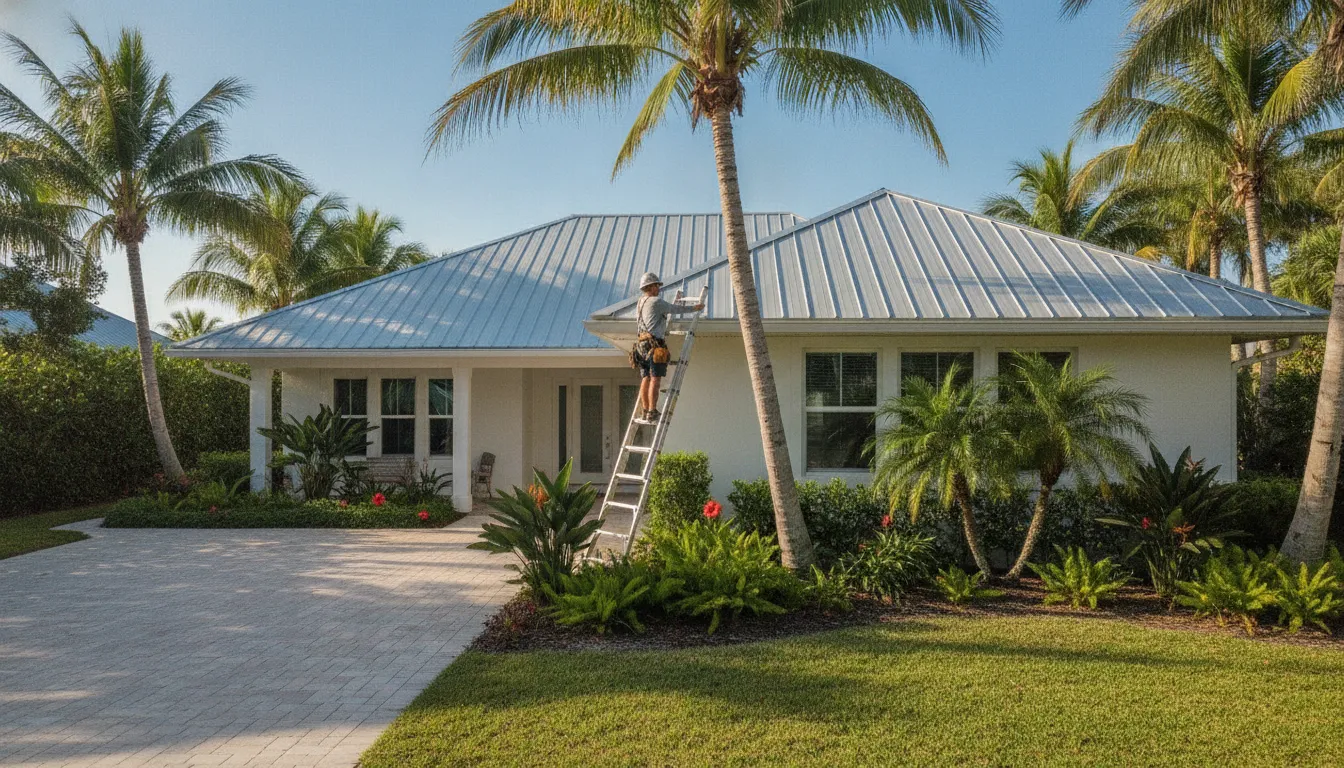
Choosing the best roofing material for a Florida home is not a matter of finding a single winner. In St. Petersburg and Tampa Bay, the roof must stand up to high humidity, heavy summer heat, algae growth, and tropical storms that can bring damaging winds. The right system also depends on your home’s structure, slope, and budget, so comparing options carefully matters more than picking a popular brand.
The best roofing material for most Tampa Bay homes balances affordability, durability, hurricane resistance, and energy performance. Asphalt shingles offer a familiar, lower-cost entry point, while metal and tile typically last longer when properly installed. Flat or low-slope systems like EPDM are practical for certain homes and commercial buildings, as long as drainage stays reliable. FEMA recommends weighing upfront cost alongside maintenance, energy savings, and local storm exposure.
This guide compares asphalt shingles, metal, clay and concrete tile, and flat and low-slope systems on the factors that matter most in a humid subtropical climate. You will see whether lifetime value or sticker price should drive your decision, and which questions to bring to a roofing contractor near the Gulf Coast.
What Is the Best Roofing Material for a Florida Home?
There is no single best roofing material for every Florida home. The right choice balances durability, installation cost, energy performance, and resistance to Tampa Bay weather.
For St. Petersburg homeowners, the strongest decision starts with the complete roof system. Materials, installation quality, ventilation, and structural integrity must work together.
Florida roofs face intense sun, heavy rain, humidity, algae growth, and occasional hurricane-strength winds. Those conditions can expose weaknesses that may remain hidden in milder climates.
Asphalt shingles remain a practical choice for many homeowners because they are widely available, affordable, and offered in several styles. They generally have a shorter lifespan than metal or tile, however.
High temperatures can make asphalt shingles brittle over time. Heat may also increase cracking and granule loss, so attic checks and routine roof maintenance matter.
Metal roofing deserves consideration when long service life and wind performance are priorities. FEMA reports that metal systems are generally more wind resistant than traditional asphalt shingle systems.
Metal can also support energy goals when paired with a cool roof finish. The U.S. Department of Energy explains that cool roofs reflect more sunlight and absorb less heat than standard roofs.
Tile offers another durable option for Florida homes. Clay and concrete tile can last more than 50 years and provide strong heat resistance, but the structure must support their substantial weight.
Tile’s shape can also promote airflow beneath the roof covering. That design may help reduce heat transfer during hot Florida summers, although performance still depends on proper installation.
Budget and future plans should influence the selection. A lower initial price may make sense for a property with a shorter ownership horizon, while a longer-lived system may better suit a forever home.
Insurance considerations can also affect the calculation. Some Florida homeowners may qualify for premium discounts when their roofs meet current wind mitigation requirements, subject to insurer approval.
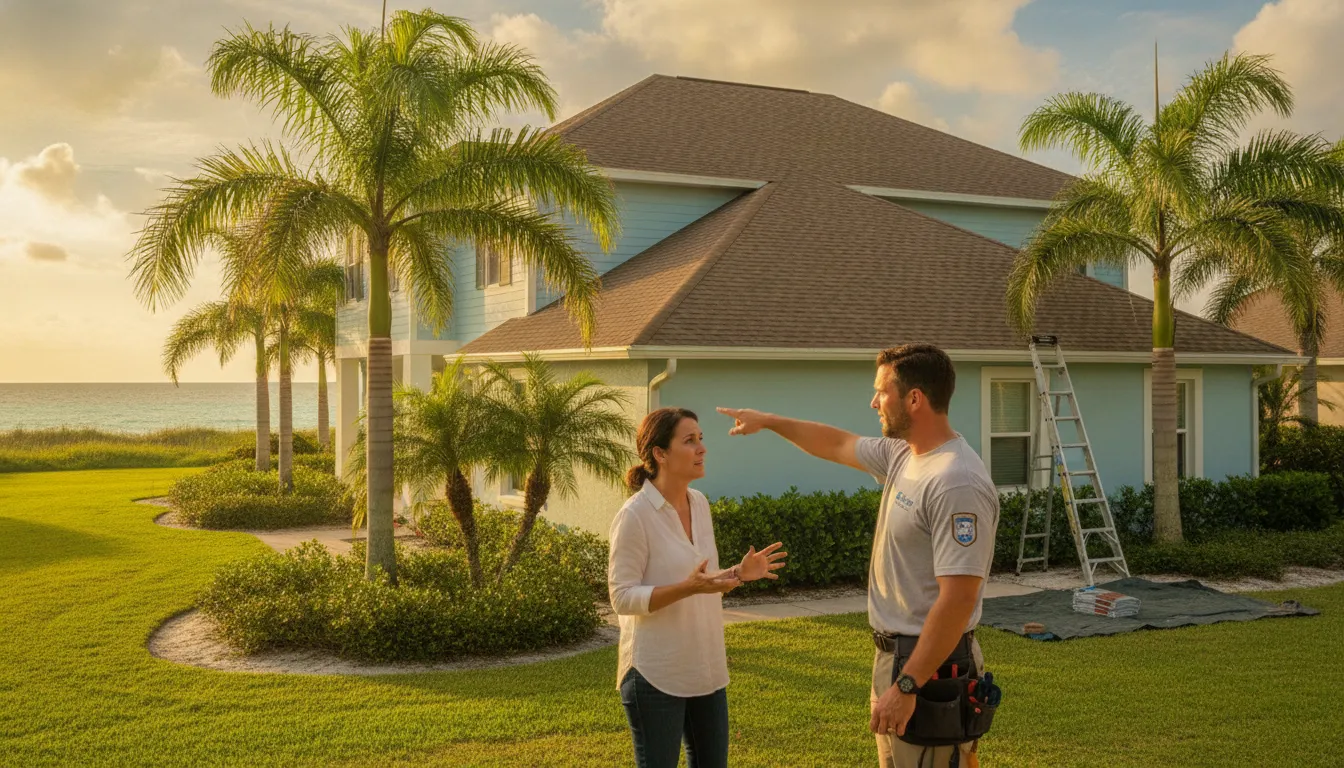
The best choice is therefore a site-specific recommendation, not a universal ranking. A professional should evaluate roof slope, decking, framing, ventilation, drainage, exposure, and the home’s expected service life.
- Set your budget and ownership timeline to weigh upfront cost against lifespan.
- Check your home’s structure to confirm it can support heavier materials such as tile.
- Compare wind ratings and hurricane resistance for Tampa Bay weather exposure.
- Review energy performance, including cool roof options for hot summers.
- Schedule a professional roof inspection before committing to a replacement.
FEMA identifies the roof as a building’s primary defense against wind and rain. The agency also emphasizes that material selection and quality installation are especially important in high-wind, rain-heavy climates.
For a balanced comparison, review our Florida asphalt shingles versus metal roofing guide. It can help you prepare focused questions before requesting estimates.
How Asphalt Shingles Perform in Florida’s Heat and Humidity
Asphalt shingles remain Florida’s most common and affordable roofing choice, but local heat and humidity affect their performance. They can provide dependable protection when installed correctly and inspected regularly.
In St. Petersburg and the wider Tampa Bay area, asphalt shingles are practical for homeowners balancing upfront cost, appearance, and expected service life. FEMA identifies affordability and style variety as major reasons for their popularity, while noting their shorter lifespan compared with metal or tile. FEMA’s roofing guidance provides additional background on sloped roof systems.
Heat can accelerate shingle wear
Florida’s intense sun and high temperatures can make asphalt shingles brittle over time. Heat accelerates deterioration, which may cause cracking or granule loss across exposed areas.
Granules protect the shingle surface from weather and sunlight. When they loosen, bare areas can become more vulnerable to continued ultraviolet exposure and water intrusion.
Humidity creates another maintenance concern. Damp conditions can encourage algae growth, especially on shaded roof slopes with limited airflow. Algae may create dark streaks and hold moisture against the surface.
Algae staining does not automatically mean the roof has failed. However, rapid growth, damaged shingles, exposed underlayment, or recurring leaks deserve a professional evaluation.
How long should Florida asphalt shingles last?
Asphalt shingles generally have a shorter service life than metal or tile, but their actual longevity varies. Installation quality, ventilation, maintenance, storm exposure, and shingle grade all influence performance.
A homeowner should avoid treating a published product lifespan as a guarantee. Florida’s heat, tropical moisture, wind events, and repeated rain can place greater demands on a roof than milder climates.
Wind rating also matters when comparing products. Ask the roofing contractor which shingle classification and installation method suit your home’s exposure. Proper fastening, secure flashing, and sound roof decking support better storm performance.
For a more detailed local maintenance timeline, review this guide to shingle roof lifespan in St. Petersburg.
Simple checks can prevent larger problems
Regular attic checks can reveal water stains on the underside of the roof deck. FEMA notes that staining may indicate a failure in the shingle layer.
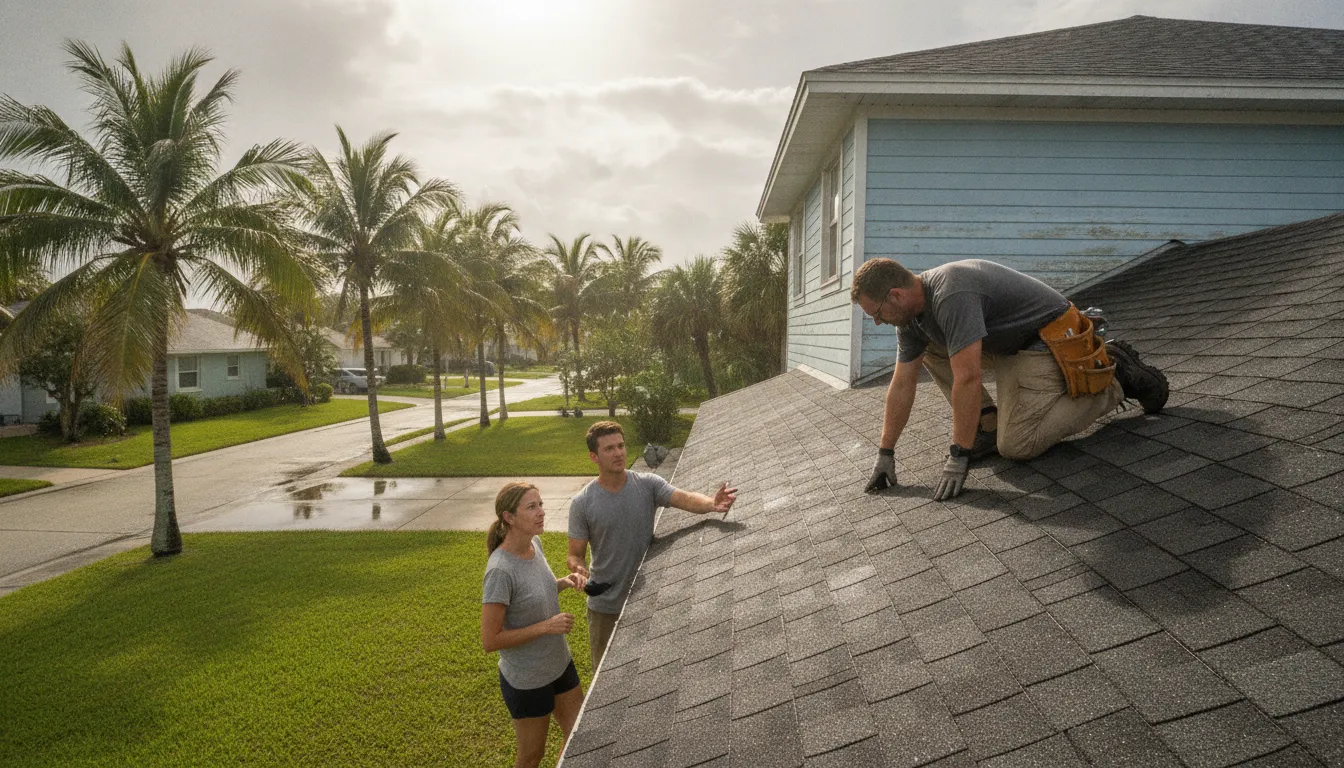
Inspect the attic after heavy rain, then look for stains, damp insulation, daylight, or musty conditions. Outside, watch for missing shingles, loose flashing, lifted edges, and unusual granule buildup near downspouts.
These checks do not replace a professional inspection. They help homeowners identify warning signs before a small leak damages decking, insulation, or interior finishes.
When comparing asphalt with longer-lasting alternatives, this Florida asphalt shingles versus metal roofing guide can help clarify the tradeoffs.
Metal Roofing: Wind Resistance, Longevity, and Energy Savings
Metal roofing is a strong candidate for Tampa Bay homes facing hurricanes, intense sun, and persistent humidity. Its performance still depends on proper design, fastening, ventilation, and installation.
For many St. Petersburg homeowners, metal combines long service life, strong wind resistance, and energy-saving potential. The right profile and installation details matter as much as the material itself.
Metal roof systems are generally more wind resistant than asphalt shingle systems, according to FEMA guidance on hurricane-resistant roofing. That advantage makes metal especially relevant in coastal Pinellas County, where wind-driven rain can test every roof component.
Hidden fasteners can further improve storm performance. They reduce exposed attachment points and potential leakage locations compared with systems that rely on exposed fasteners.
Standing-seam panels are a common choice for homeowners who want clean lines and strong weather protection. Metal shingles can also mimic traditional roofing materials, including styles that resemble slate or other familiar designs.
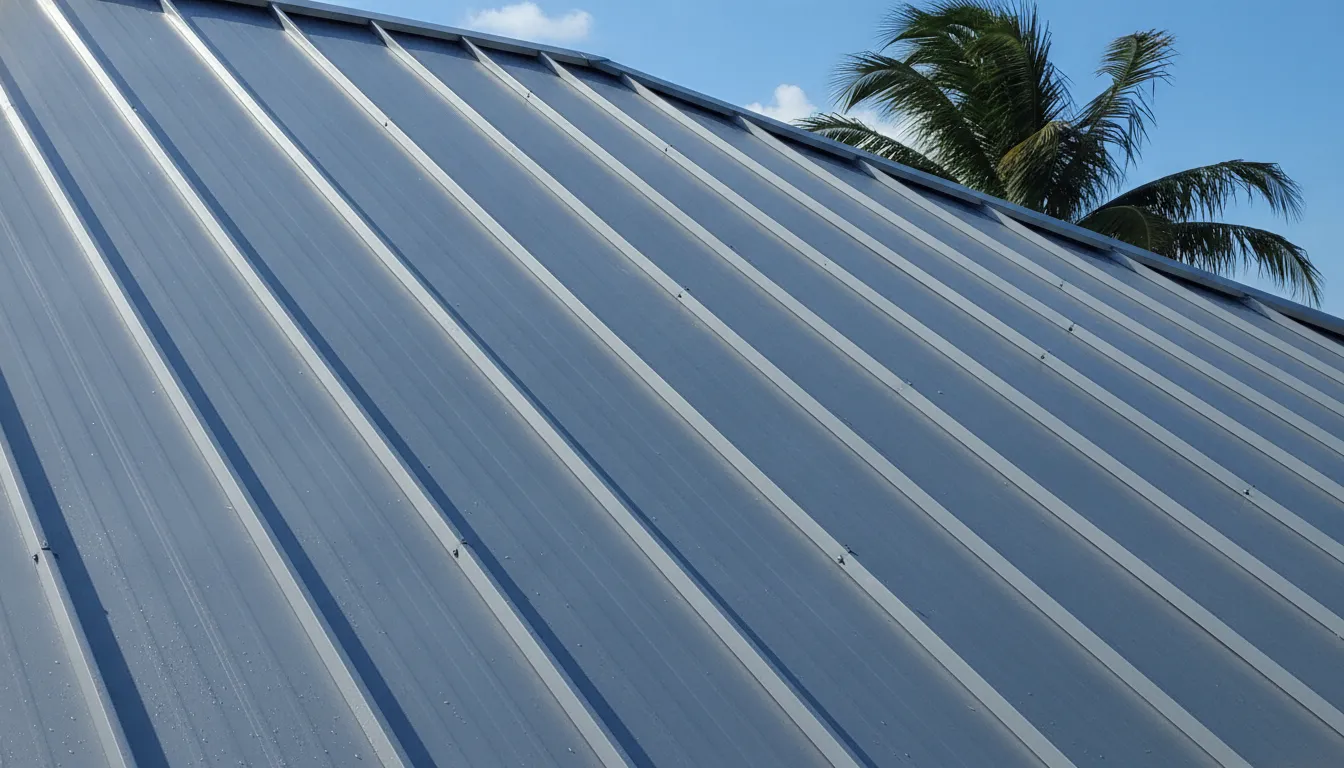
Metal roofing can also support lower cooling demand during Florida’s long hot season. The U.S. Department of Energy explains that cool roofs reflect more sunlight and absorb less heat than standard roofs.
A specialized cool-roof coating can increase that reflective performance. Coated metal reflects a significant portion of solar radiation, limiting heat absorbed by the roof surface and potentially improving indoor comfort.
These benefits are most useful when the entire roof system works together. Attic ventilation, insulation, underlayment, flashing, and structural connections all influence how efficiently the roof manages heat and moisture.
Metal roofs often last 40 to 70 years, although actual service life depends on material quality, installation, coastal exposure, maintenance, and storm conditions. A longer lifespan can help offset a higher initial investment.
Homeowners comparing options can review this guide to metal roofing and hurricane benefits in St. Petersburg. It provides additional context for evaluating wind exposure, roof design, and installation priorities.
Metal is not automatically the best choice for every property. Existing structure, roof pitch, drainage, budget, neighborhood design, and the condition of the deck should guide the final decision.
A qualified roofing evaluation can identify whether the home is ready for metal installation. It should also confirm that the selected system, fasteners, coatings, and flashing details match Tampa Bay’s weather demands.
Are Clay and Concrete Tile Roofs Worth the Weight in Florida?
Clay and concrete tiles can be excellent choices for Florida homes when the structure, installation method, and maintenance plan support them. They offer heat resistance, long service life, and airflow advantages, but their weight makes a professional structural review essential.
Tile roofing can last more than 50 years and handles Florida’s intense sun better than many conventional materials. Its curved profile also promotes natural air circulation beneath the tiles, helping release heat before it reaches the living space. The U.S. Department of Energy explains that reflective roofing materials reduce solar heat absorption in hot climates. Actual tile performance still depends on color, coating, ventilation, and the complete roof assembly. Learn more about cool roof principles from the Department of Energy.
Why tile works well in Tampa Bay heat
St. Petersburg and the wider Tampa Bay area combine high heat, strong sunlight, humidity, and frequent heavy rain. Clay tile resists heat effectively, while both clay and concrete options can provide durable protection when installed over a properly prepared roof system.
Concrete tiles also offer broad design flexibility. Manufacturers can shape them to resemble wood or natural stone, allowing homeowners to pursue a distinctive appearance without choosing a short-lived decorative product. The FEMA roof systems guide identifies this combination of durability and aesthetic versatility as a significant advantage.
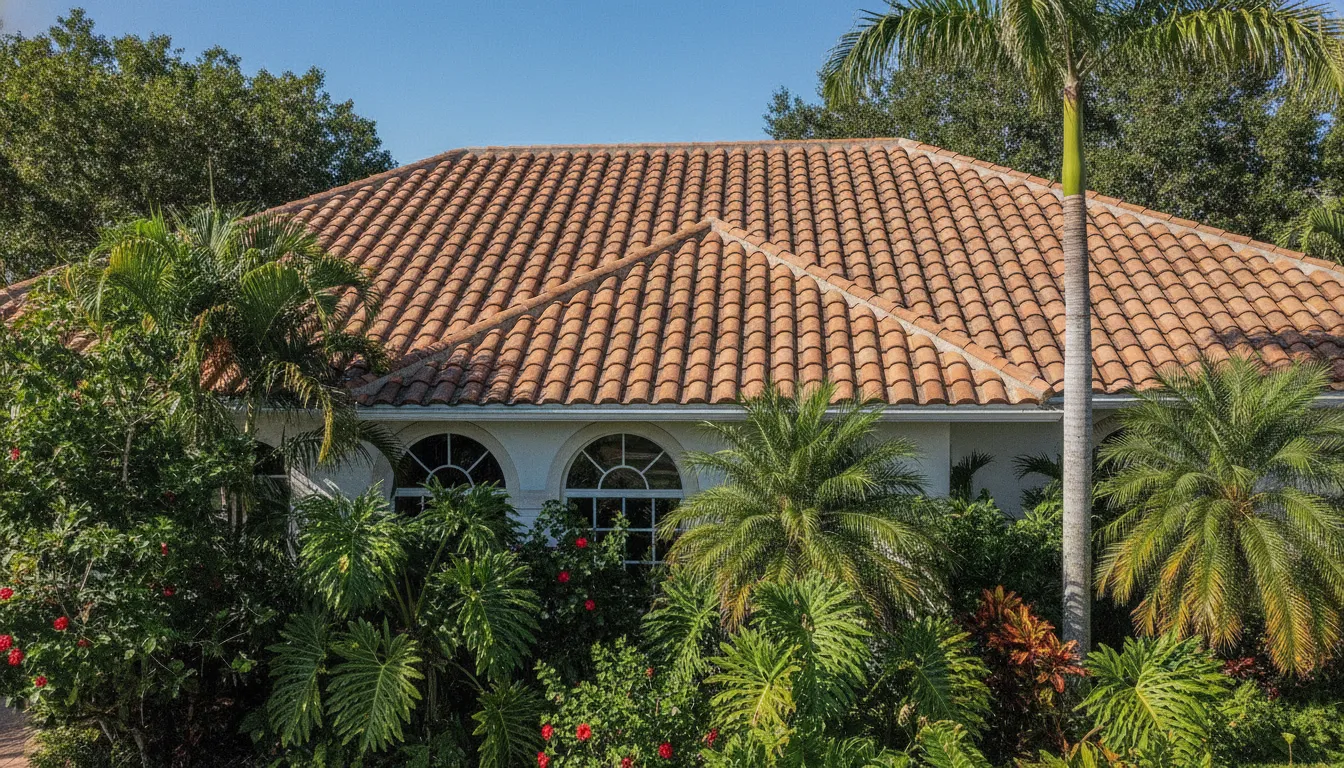
Tile’s longevity does not eliminate maintenance. Improper foot traffic can crack clay tiles, and damaged pieces can allow water into underlayment or roof decking. Because tiles can break when walked on, homeowners should avoid casual attic, antenna, or gutter access across the roof surface.
What the roof structure needs before installation
Clay and concrete tiles weigh substantially more than asphalt shingles. Before replacement, a qualified professional should verify that the home’s framing and roof structure can safely support the selected material.
This review matters especially when replacing a lighter roof with tile. The existing structure may require reinforcement, and the underlayment, flashing, ventilation, and fastening details must match Florida’s weather conditions. A lower-cost material can become expensive if structural preparation is overlooked.
Homeowners comparing options can review tile roof replacement considerations in Tampa Bay before requesting an evaluation. For a closer material comparison, see this guide to clay versus concrete tile roofs.
Tile may be the best roofing material for a Florida home when long-term durability, heat performance, and architectural character outweigh structural and installation costs. A roof assessment should confirm that the home can carry the system safely.
Flat and Low-Slope Roofs: EPDM and Modified Bitumen for Tampa Bay
EPDM and modified bitumen are practical options for Tampa Bay buildings with flat or low-slope designs. The best choice depends on drainage, installation details, exposure, and maintenance access.
Both systems can protect commercial properties and select modern homes when the roof assembly is designed for local rain, heat, and humidity. Neither system works well when neglected drainage allows water to remain on the surface.
EPDM for durable, flexible roof coverage
EPDM, or ethylene propylene diene monomer, is a synthetic rubber membrane used frequently on low-slope roofs. It resists ultraviolet radiation, ozone, and harsh weather conditions.
That weather resistance suits Tampa Bay’s intense sun and humid subtropical climate. The membrane can provide dependable coverage when seams, flashing, penetrations, and perimeter details receive careful installation.
EPDM is often considered for warehouses, offices, apartment buildings, and other commercial structures. It can also suit certain residential additions or contemporary homes with limited roof pitch.
Property owners should inspect the membrane regularly for punctures, seam separation, damaged flashing, and blocked drains. Small defects can become interior leaks during prolonged rain or tropical weather.
Learn more about system selection and maintenance in this commercial flat roof and EPDM guide for Tampa Bay.
Modified bitumen for layered low-slope protection
Modified bitumen is a multi-ply roofing system designed for low-slope applications. Installers may apply it with heat-welded seams or self-adhered methods, depending on the product and project requirements.
Its layered construction supports durability across commercial roof areas that receive regular weather exposure. A qualified contractor should evaluate the existing deck, insulation, drainage layout, and penetrations before recommending an installation method.
Heat-welded applications require trained crews and appropriate site controls. Self-adhered systems still demand clean surfaces, accurate detailing, and consistent pressure during installation.
Drainage determines performance on flat roofs
Flat and low-slope roofs need positive drainage because their geometry sheds water more slowly than steep-slope systems. EPDM and modified bitumen both require drainage maintenance to reduce ponding.
Inspect drains, scuppers, gutters, and nearby surfaces after heavy rain. Remove leaves and debris without puncturing the membrane or disturbing protective components.
Persistent ponding can place unnecessary stress on the roof assembly and increase leak risk. It may also signal settlement, clogged drainage, inadequate slope, or a deteriorated drain connection.
FEMA identifies drainage and ponding control as essential maintenance concerns for low-slope systems. See the FEMA low-slope roofing guidance for additional technical context.
For a commercial property, schedule inspections before the wet season and after significant storms. Prompt repairs help preserve the membrane and limit disruption to tenants, equipment, and operations.
Cost, Energy Efficiency, and Roof Insurance for Tampa Bay Homes
The best roofing material balances installation cost, maintenance needs, energy performance, and protection against Tampa Bay weather. A roof’s total value depends on the complete system, not material price alone.
Replacement estimates should include materials, labor, tear-off, disposal, and repairs to damaged decking. Review this roof replacement cost guide for St. Petersburg before comparing bids.
Compare total value before choosing a roof
Upfront pricing can hide future expenses. Installation complexity, local labor availability, maintenance, and storm exposure all affect the long-term cost-benefit calculation.
| Material | Typical lifespan | Relative cost | Hurricane and wind resistance | Energy efficiency | Maintenance |
|---|---|---|---|---|---|
| Asphalt shingles | Shorter than metal or tile | Low | Good when properly rated and installed | Moderate | Inspect for brittleness, granule loss, and attic leaks |
| Metal | 40 to 70 years | High | Very good, especially with suitable concealed fasteners | Very good with a cool-roof finish | Inspect fasteners, seams, coatings, and flashing |
| Clay or concrete tile | More than 50 years | High | Good wind performance, but tiles can crack from impact | Good because tile promotes airflow | Use trained professionals and check the supporting structure |
| Flat or EPDM | Varies by system and maintenance | Moderate to high | Depends on attachment, drainage, and system design | Varies by membrane and roof assembly | Maintain drainage and prevent ponding water |
Energy savings can offset a higher installation price
Cool roofs reflect more sunlight and absorb less heat than standard roofs. That performance can reduce heat entering a Tampa Bay home during hot, sunny weather.
Metal roofing can support cool-roof goals when paired with a suitable reflective coating. Tile can also improve comfort because its shape supports natural airflow beneath the surface.
Energy savings depend on insulation, attic ventilation, roof color, shading, and air-conditioning efficiency. Compare the complete assembly instead of evaluating the surface material alone.
Wind mitigation may affect Florida insurance costs
Insurance companies may offer premium discounts for roofs that meet current wind-mitigation requirements. A wind-mitigation inspection can document qualifying roof features.
Discounts vary by insurer, policy, roof age, and documented construction details. Ask your insurance professional which inspection forms and roof improvements qualify before assuming savings.
In Tampa Bay, the strongest value often comes from a properly installed roof with verified wind performance, manageable maintenance, and energy-conscious design.
FEMA roofing guidance supports evaluating material, installation, structural integrity, and local weather risks together.
Roof Maintenance, Inspections, and Ventilation After a Storm
Professional inspections and routine maintenance protect every roofing material in Florida. A durable roof still depends on secure components, sound installation, and a dry, properly ventilated attic.
Material selection matters, but the full roof system determines performance. FEMA explains that materials, installation quality, and structural integrity work together to support long-term durability. Review FEMA’s roof system guidance for additional context.
Schedule checks before hurricane season
A pre-season inspection can identify loose shingles, damaged flashing, and other weak points before high winds arrive. The CDC recommends checking these components because hurricanes can dislodge or blow them away.
Ask the inspector to examine valleys, penetrations, ridge caps, and edge metal. These areas can develop small failures that allow wind-driven rain into the roof assembly.
Shingle roofs also deserve an attic check. Water stains on roof decking may indicate a failing shingle layer, even when the exterior appears serviceable.
Tile roofs require careful handling during maintenance. Cracked tiles can permit water entry, while improper foot traffic can cause additional breakage. Metal roofs need checks around panels, seams, and fasteners.
Inspect for hidden storm damage
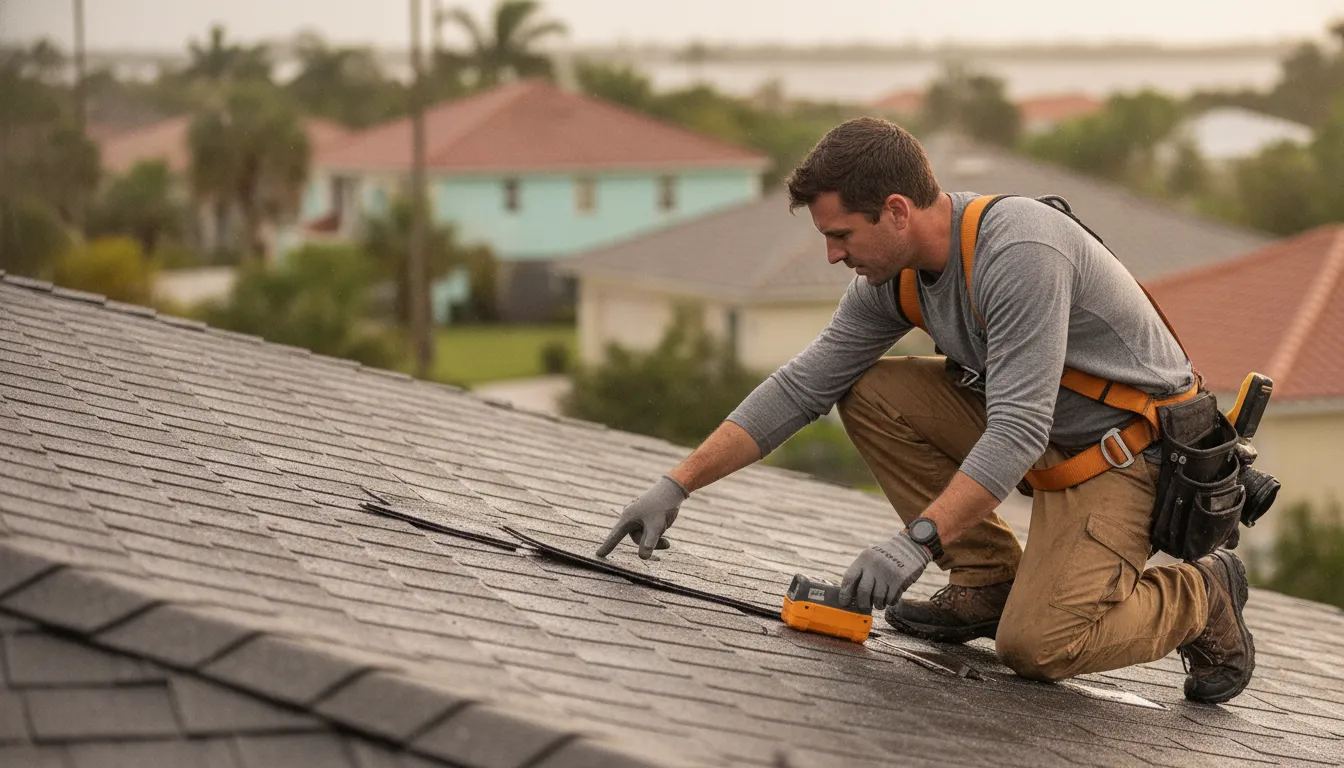
Schedule a professional inspection after a significant storm, even when the roof looks intact from the ground. Hidden problems can develop into leaks during the next heavy rain.
Inspectors may find lifted fasteners, displaced components, cracked tiles, or compromised flashing. The CDC identifies these issues as examples of storm damage that may remain hidden after a storm.
A qualified inspection also helps document the roof’s condition for repairs and insurance discussions. Avoid climbing onto wet or damaged roofing, especially after tropical weather.
Keep attic ventilation balanced
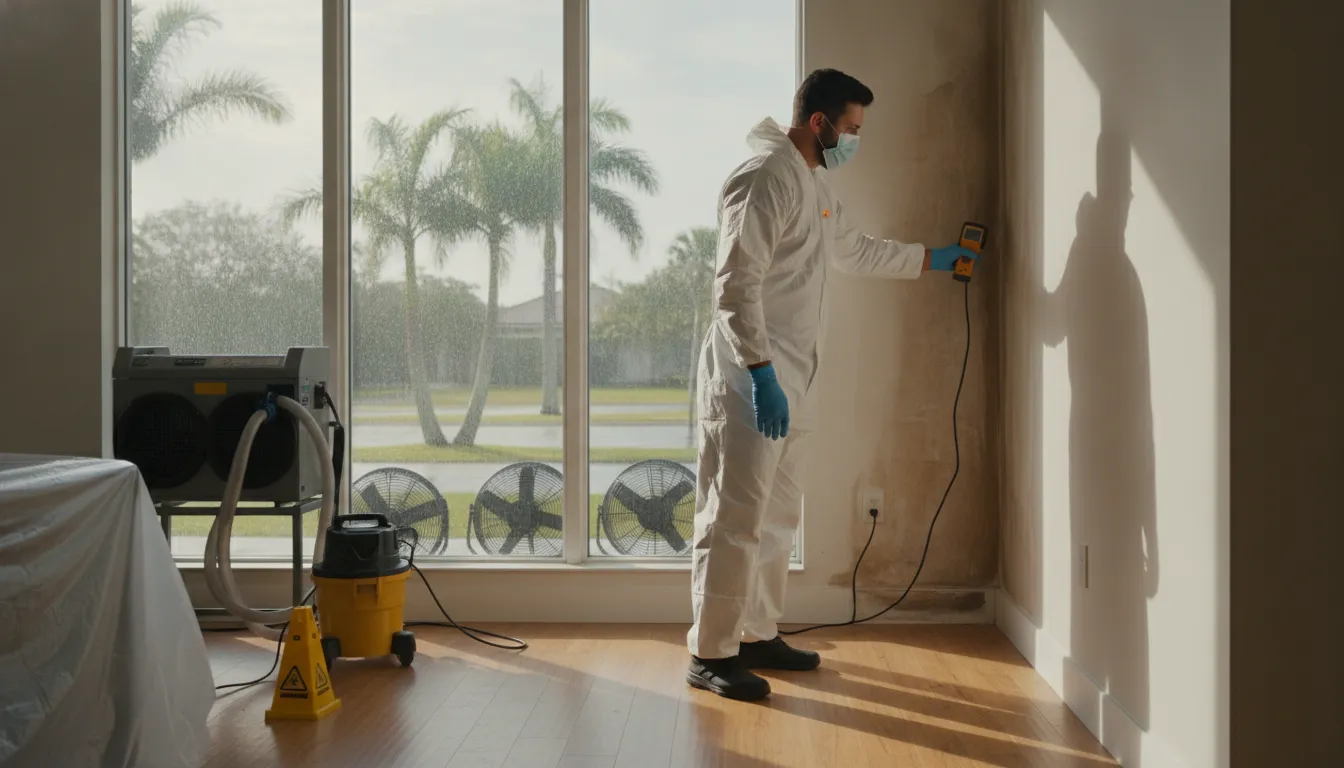
Proper attic ventilation reduces moisture and heat buildup beneath the roof. Excess moisture can encourage mold growth and shorten the service life of roof decking and insulation.
Ventilation should work with adequate insulation and controlled air sealing. An inspection can reveal blocked soffit vents, inadequate exhaust, or airflow problems that affect the entire roof assembly.
For Florida-specific guidance, read this complete guide to roof ventilation in Florida homes. You can also learn more about the value of a regular roof inspection in St. Petersburg.
Consistent maintenance gives homeowners better information about when to repair, reinforce, or replace a roof. It also helps preserve the performance benefits of the best roofing material for the home’s structure and exposure.
Frequently Asked Questions
What is the best roofing material for a Florida home?
There is no single answer for every home. Asphalt shingles typically offer the lowest upfront cost, while metal and tile generally provide longer service lives. In Tampa Bay, compare wind performance, heat, humidity, roof structure, maintenance needs, and total replacement cost before choosing.
What type of roof lasts the longest in Florida?
Well-installed metal roofing can last about 40 to 70 years, while clay or concrete tile can last more than 50 years when properly maintained. Source: FEMA roof-system guidance.
Which roofing material handles hurricane winds best?
Metal systems are generally more wind resistant than traditional asphalt shingles, especially when properly designed and installed with concealed fasteners. The roof assembly, attachment method, condition, and installation quality all affect storm performance. Source: FEMA hurricane guidance.
Are tile roofs a good choice for Tampa Bay homes?
Tile can perform well in Florida’s heat and may last more than 50 years, but it is heavy and the home’s structure must support it. Clay tile can also crack if walked on improperly, so maintenance should be handled by trained professionals. Source: FEMA roof-system guidance.
What should homeowners check before replacing a flat roof?
Confirm that the low-slope system has reliable drainage and no recurring ponding water. EPDM and modified bitumen roofs need routine maintenance because standing water can accelerate problems. Source: FEMA low-slope roof guidance.
Ready to Choose the Right Roofing Material?
The right roofing system should fit your home’s design, exposure to Tampa Bay weather, maintenance needs, and long-term goals. A professional inspection can identify the practical options before you make a replacement decision. Whether you are re-roofing or repairing storm damage, an expert assessment grounds your choice in how the roof will behave.
Call Go Time Roofing and Restoration to discuss which material suits your home and to schedule a roof inspection or estimate.